









19 June 2026 - 1:00pm
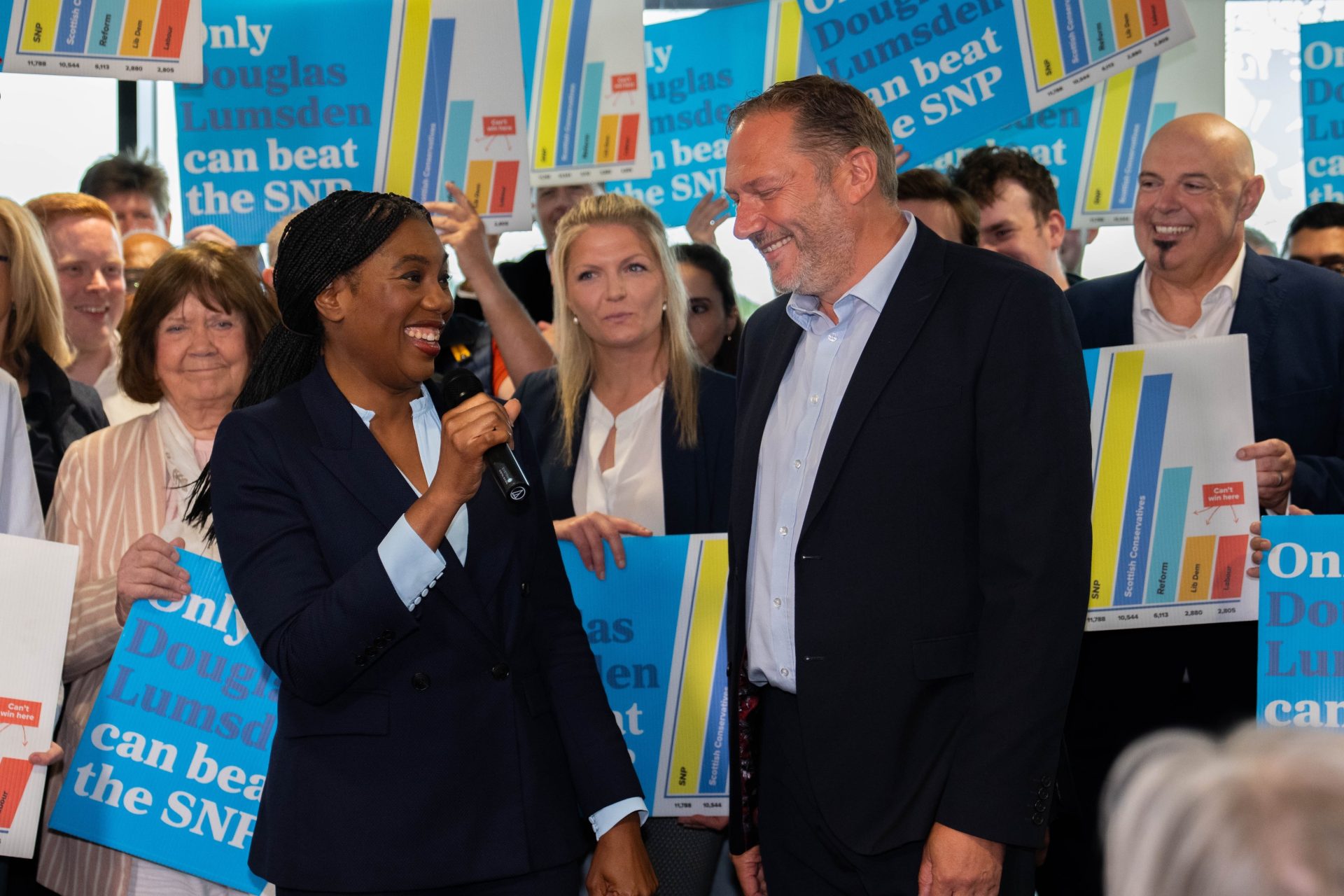
The last time the Conservatives gained a seat at a by-election was in Hartlepool in 2021, with Boris Johnson riding high on a post-vaccine, post-Brexit bounce – a trajectory that would rapidly reverse soon afterwards. In Scotland, it is more than half a century since the party gained a seat at a by-election. Last night, however, changed that trend, as the now-rare words of “Conservative gain” were heard in the constituency of Aberdeen South.
There is no denying that this is a good result. The Conservatives jumped from third to first, regaining a seat they last won in 2017 and, before that, in 1992. They seemingly benefitted from Labour’s unpopularity, establishing themselves as the main Unionist opposition in the seat. Picking up Labour voters allowed them to outpace the Scottish National Party by a comfortable margin, with Reform UK a distant third and Labour in fourth. On a night where the Tories were being eclipsed elsewhere, it was a rare triumph.
The problem for the party is how to replicate this elsewhere. Aberdeen South was perhaps uniquely poised for Conservative success. Scottish seats now have an odd dynamic, poised between Left-Right bloc politics and the face of nationalism and Unionism. The seat is also closely connected to the oil industry, making Net Zero a key battleground. Anger at the Labour approach to drilling made the Conservatives the local choice to face down the SNP, and the vote swung convincingly in their favour. It is hard to think of many other places where this would be true.
This result conceals a grim reality for the Conservatives. Despite their rebuttals, they are sliding to minor-party status. In first-past-the-post systems, third parties don’t challenge everywhere, but instead benefit from peculiar local conditions to win seats. The nationalist parties gain from this dynamic, as do the Liberal Democrats. Local conditions and demography create pockets they can exploit for individual gains, but there aren’t enough of those to sustain a party nationally.
The Conservative Party itself is likely to remain in denial about this. Cognitive dissonance about results has become a recurring feature for the party. In May’s local contests, it somehow spun a massive underperformance into a set of positives. It is likely that Aberdeen South, too, will be twisted into a rallying moment, rather than one positive amid a bigger, much worse message from the voters.
For two years, the Conservative Party has struggled to really reckon with why it lost in 2024 and where the trajectory out of defeat runs. The rare successes have come from odd structural quirks – in London, where wealthier voters lean away from Reform, and Labour-Green splits have helped the party squeeze through the gap, or like this in Scotland, where the independence debate cuts through politics. Where there is a majority against independence, like in Aberdeen, it will move against the SNP, signalling discontent with ideas of another referendum.
Aberdeen South will be claimed as a vindication for the current Tory strategy. It is, in its way, a historic victory. But it is also the result of a peculiar seat with odd politics — the sort that was made for third parties. Wins can often be deceiving about where the real weaknesses lie. The party should also be looking at the votes it is not getting and the contests it is not challenging. Otherwise, it risks drawing the wrong lessons and ignoring the peril in which it remains.
John Oxley is a corporate strategist and political commentator. His Substack is Joxley Writes.
 Mr_John_Oxley