




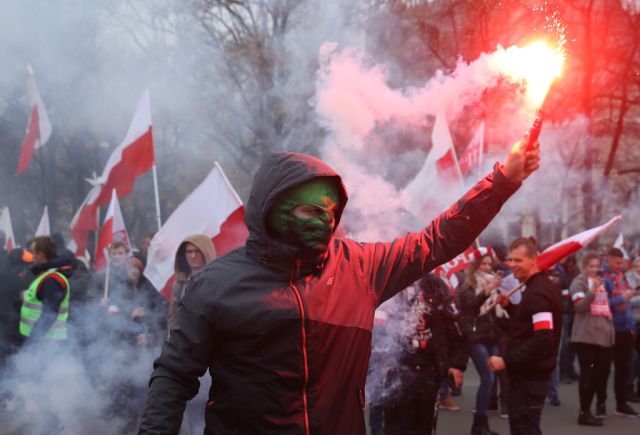
‘With political tensions sky-high and a Polish Right that feels more besieged than ever, today’s march could well be volatile.’ (Sean Gallup/Getty)





At first glance, Mikstat seems wholly unremarkable. Tucked away in Poland’s south-central heartland, amid a landscape of gently rolling hills, it features a neo-baroque church and a market square ringed by stately prewar façades. At its centre is a white column, adorned with the figure of Jesus Christ, and beneath, a plaque. Erected just after the end of communism, it reads: “To the heart of God anew in a reborn Poland.”
So far, so Polish. Yet beneath the surface, Mikstat is unlike any other town in the country, for it’s the only Polish municipality where foreign-born residents outnumber ethnic Poles. “It’s hard sometimes to see a Pole here,” says Kacper, a 22-year-old local loitering in Mikstat’s main square.
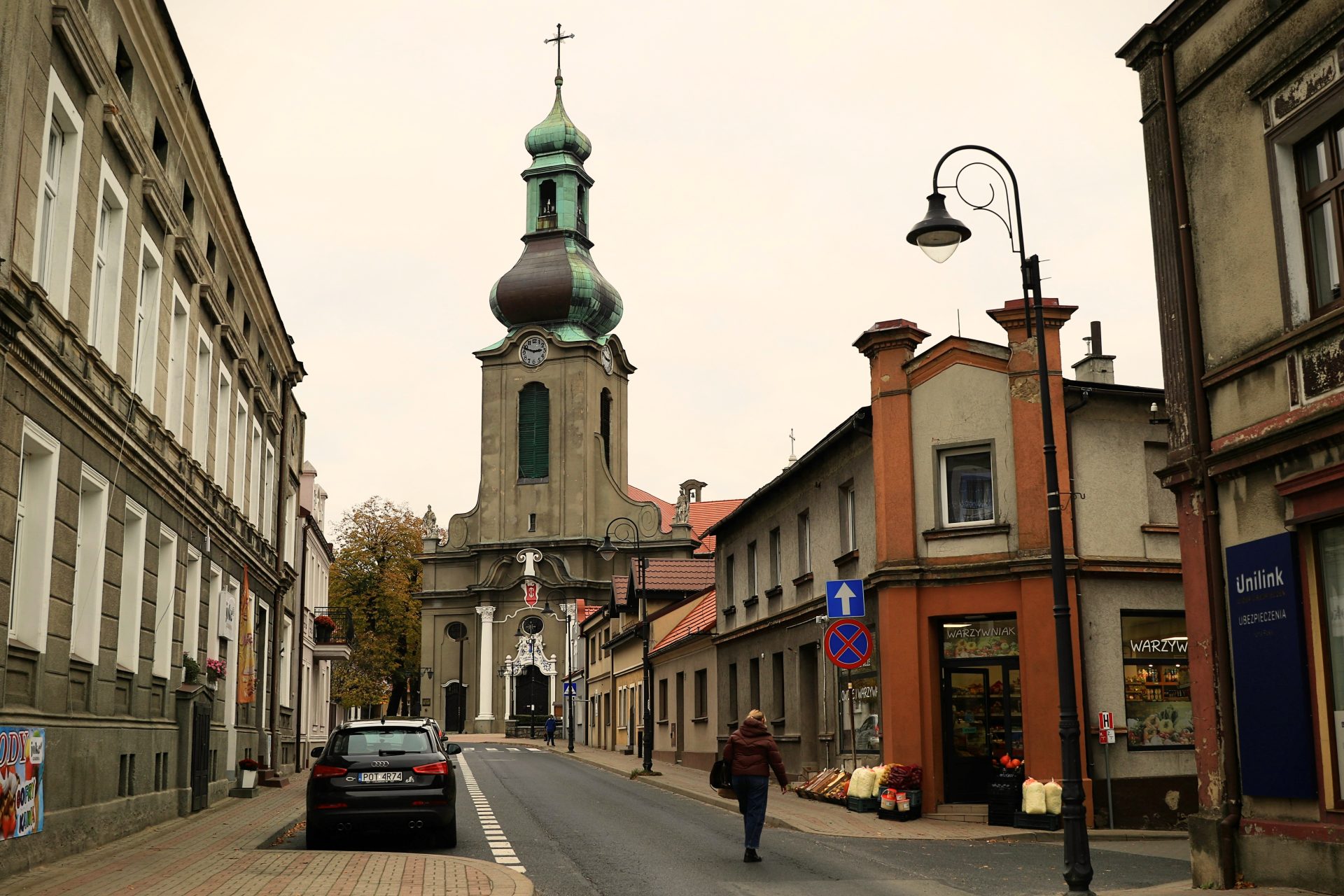
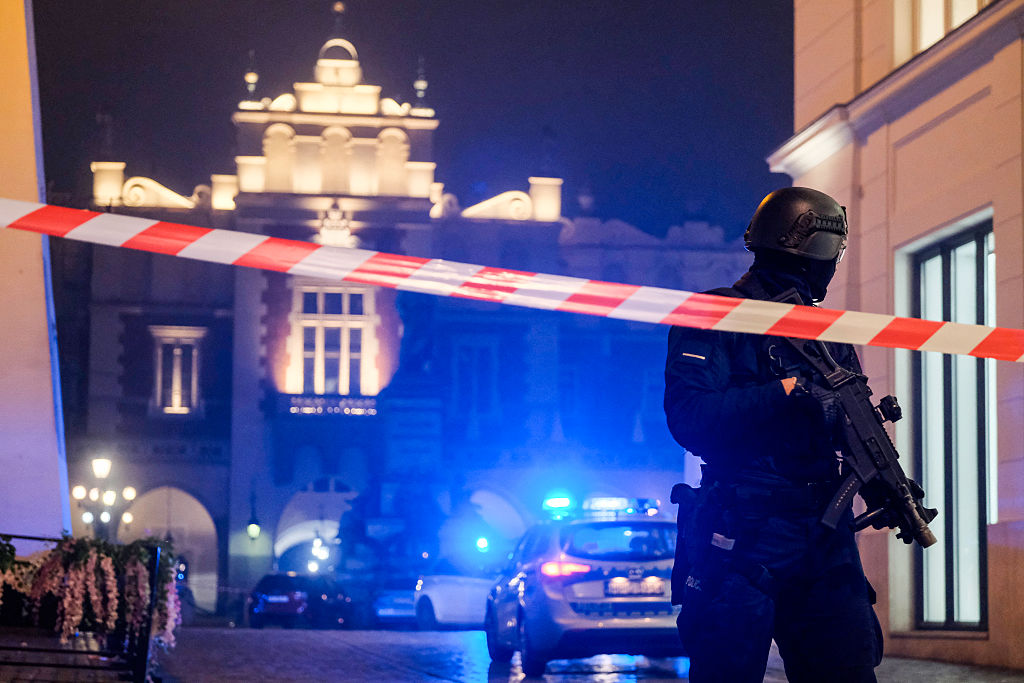
He’s exaggerating — foreigners only make up 53% of the area’s urban population of 3,461, according to the latest government statistics. But even this is unheard of in a country that has long had a reputation as one of the most ethnically homogeneous in Europe, and which for years has been idolised by foreign conservatives as one of the last bastions of pure, unspoiled European culture. Some Polish extremists go even further: though we still don’t know his motive, last week’s Kraków shooter was apparently fascinated by Anders Breivik.
For many residents of Mikstat, though, and despite some growing pains, their multicultural existence has become as familiar as the sound of the church bells on Sunday. “Right now, there are the most [foreigners], but they’ve been here for many years,” says Kacper’s friend Dawid, 23 and lanky, dressed in a black-and-white tracksuit. “We’re used to it.”
Immigrants are no longer rare in other parts of Poland either. According to new data, nearly 6% of Poland’s population, or 2.3 million people, were foreign-born at the end of 2025, and though an overwhelming 73% of those are unsurprisingly Ukrainian, a growing number are from Central Asia, the Caucasus, Latin America, and elsewhere. Immigrants today make up 15% of the population of Warsaw, and almost 20% of the southwestern city of Wrocław.
This shift has not gone unnoticed. Poland’s hard-Right has recently pivoted from warning about the potential dangers of mass migration to using places like Mikstat to argue against people already here — all while positioning itself as the kingmaker ahead of parliamentary elections next year. Little wonder, in the wake of the Paris riots last month, that even Poland’s centrist Prime Minister Donald Tusk touted his own country’s virtues by comparison, boasting that his government had issued fewer foreign visas than his populist rivals PiS.
If its leaders race to reclaim Poland’s role as a defender of the Europe of old, decades-long economic growth continues to reshape the country’s social fabric beneath their feet, attracting refugees, political exiles, and workers as the domestic birth rate continues to lag. The result is a social milieu more diverse than at any point in living memory, and which will continue redefining what life and identity look like in Poland’s cities regardless of what the politicians claim. Yet rather than heralding some unfamiliar, globalist ideal, this new reality instead echoes an older, pre-modern reality — the melting pot that existed in the country before Nazi Germany and Soviet communism robbed Poland of its multiethnic complexity.
“When I first started living here, there was still this institution of ‘the newcomer’,” says Witold Ślęzak, who heads Mikstat’s house of culture. Bundled up for the chilly November weather, Ślęzak speaks with an authority that belies his meagre height. “A newcomer was a resident of a worse category: he was a Pole, but not from Mikstat.”
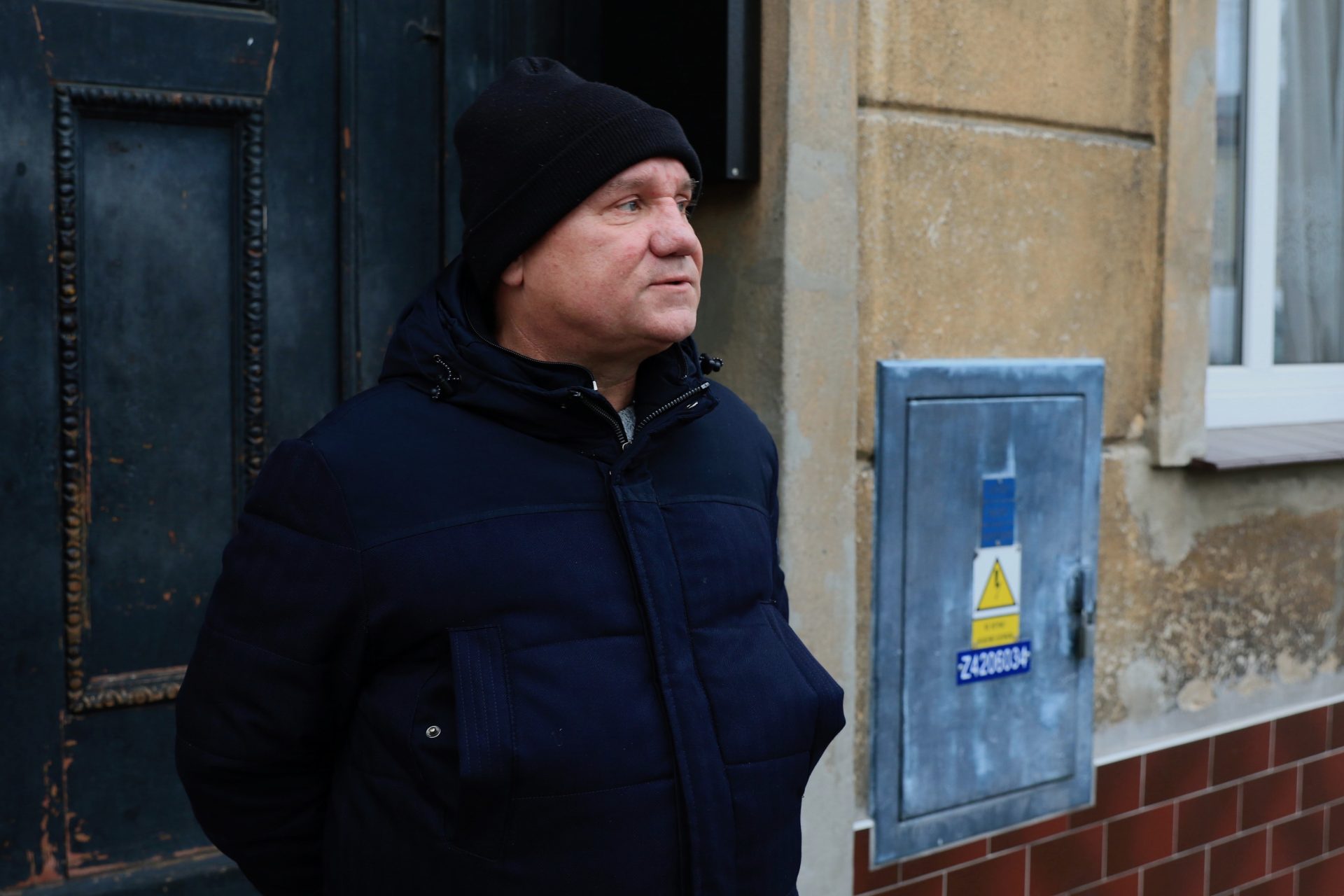
If even fellow Poles from other nearby towns were once scorned in Mikstat, it’s not hard to imagine early contact with folks from beyond the frontier. Ślęzak recalls that when the first foreigners arrived in the town, initially from Ukraine as workers before the start of the war, local youths worked hard to get into fights with them. But as both sides grew accustomed to one another, things began to change. “We learned to live next to each other, so to speak,” says Ślęzak, his demeanour friendly but his face deadly serious. “I don’t have any problem with them. We live side by side and somehow we function together.”
If this initial tolerance likely emerged due to the relative similarities between Poles and Ukrainians — Christians, Slavs, lovers of vodka and borscht — the people of Mikstat eventually extended an olive branch to other new arrivals. After the Ukrainians came Moldovans, then Nepalis, and soon dozens more nationalities, most drawn by work at Mikstat’s large meat-processing plant. Today, according to the town’s former mayor, as many as 28 nationalities reside here, hailing everywhere from Indonesia to Georgia to Tajikistan.
John Gómez, a 29-year-old Venezuelan who started working at the factory after arriving in Poland two years ago, praises Mikstat’s quiet, understated atmosphere. “It’s a very peaceful place, as long as there’s work and stability,” Gómez tells UnHerd after he gets off his shift, his blue work lanyard still drooped around his neck. “I’ve liked the lifestyle here.” In front of the company shop at the edge of the factory, other young Latino men mill about as reggaeton floats out of departing cars.
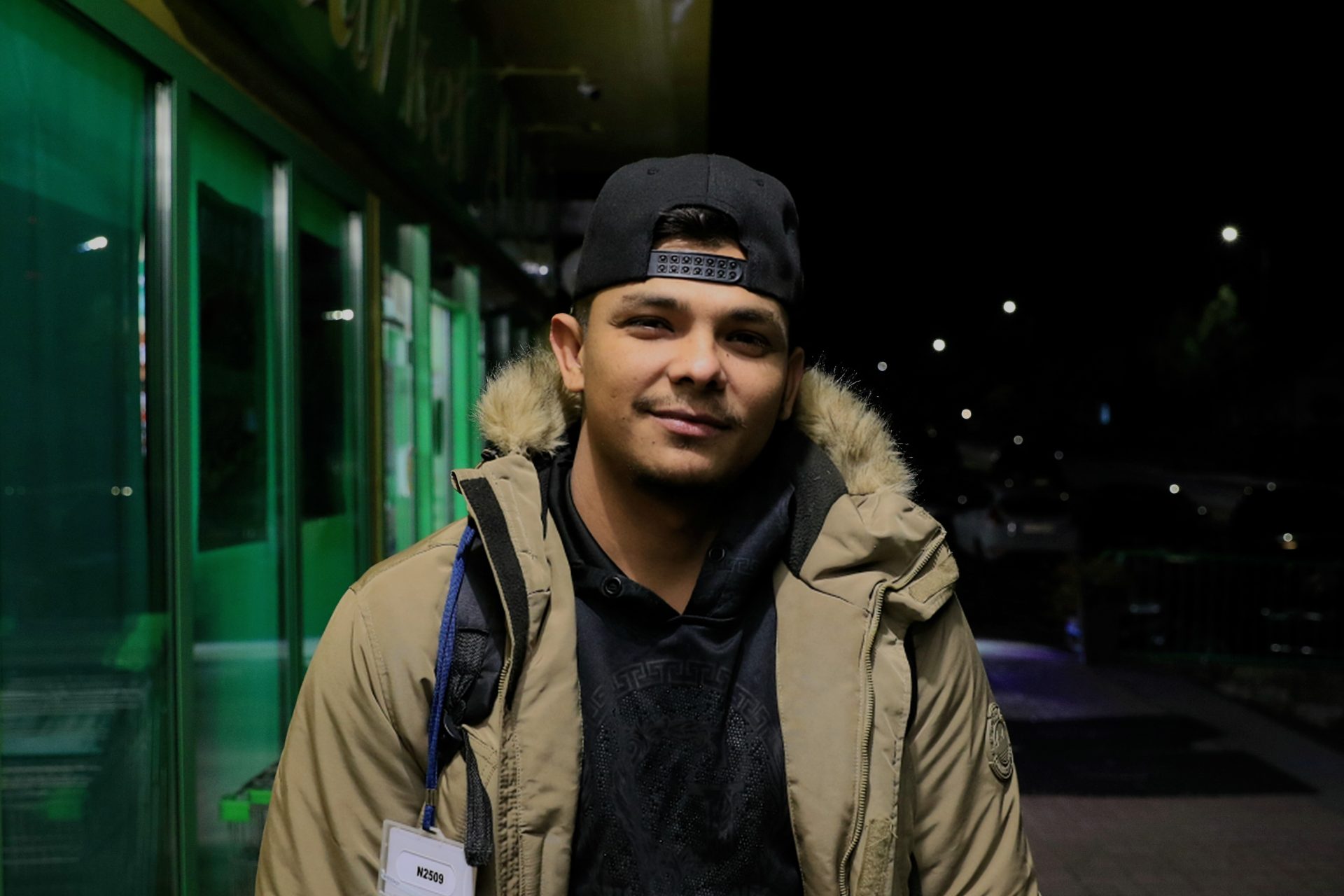
Gómez’s journey to Poland was unconventional. After leaving Venezuela, he made his way through Colombia and Panama’s infamous Darién Gap in the hope of reaching the US. But unable to enter legally, he received a work contract in Poland through an agency. He wasn’t alone — despite its fierce opposition to illegal migration, bringing foreign workers to Poland was a consistent policy of the populist Right-wing PiS government before Tusk’s coalition took power in 2023. Under the party’s leadership, Poland led the EU in the number of new residence permits issued from 2016 to 2022. The impact on Poland’s labour sector was enormous, and by the end of 2025, foreigners made up nearly 7% of the entire workforce.
Even as Tusk’s latest government has suspended the right to asylum, and upped deportations by 320% since 2022, Polish institutions have continued to quietly endorse immigrant workers as a solution to the country’s demographic challenges. In 2023, the state Social Insurance Institution claimed that, in order to maintain its current ratio of workers to retirees, Poland would need to attract another two million foreign labourers over the next decade. That’s obviously fantastical — but what’s clear from cases like Gómez’s is that importing cheap labour isn’t just about economic demand, but also about keeping labour costs low for places like the Mikstat factory. If every developed market economy needs its underclass, then Poland can’t merely rely on richer immigrants from Ukraine or Belarus to fill the gap. Grist to the neoliberal mill, workers from the global south have therefore become a hot commodity.
This tug-of-war between appealing nationalistic rhetoric and the hard realities of Poland’s economic hierarchy sits at the heart of contemporary national life. In cities like Warsaw, the service-worker class has become dominated not just by Ukrainian baristas, but also by Uzbek Uber drivers, African food delivery couriers, and Southeast Asian waiters, while interacting with immigrants has become an ever-present fixture of daily life regardless of national conversations around protecting Polishness.
In the Muranów district of Warsaw, just north of the city centre and in the heart of the former Jewish Ghetto, Turkish kebab shops, Georgian bakeries, African wellness stores and other ethnic businesses crowd both sides of a long city block along John Paul II Avenue. Iconic red-and-yellow Warsaw trams rumble past groups of off-duty delivery couriers smoking cigarettes, while throngs of Ukrainian Gen Zs look on. Above them all, an enormous Polish flag billows in the distance.
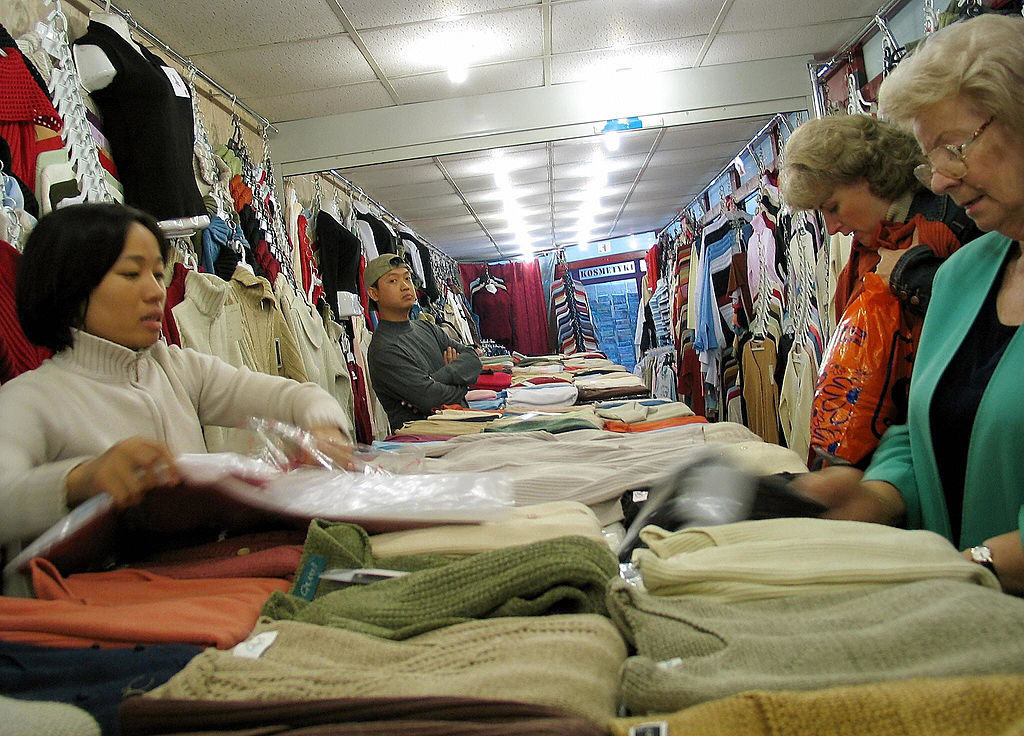
“When I moved here, I saw the block buildings, the Slavic culture, and the cold weather, and people also have a bit of a different vibe,” says Mel, a 27-year-old Vietnamese barista who works at a coffee shop along the strip. “But the longer I live here, the more I feel like I’m immersed in the culture. I started to like it.” Mel adds that they’ve actually faced less open xenophobia in Poland than in the Netherlands — perhaps a function of unfamiliarity with immigrants in general — but that national politics has lately begun to carry an air of danger.
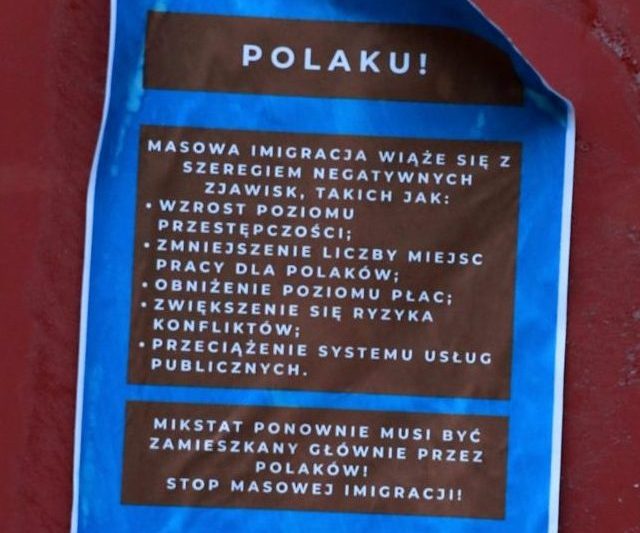
The largest nationalist protest in Poland is organised annually on 11 November, the country’s Independence Day. With political tensions sky-high and a Polish Right that feels more besieged than ever, today’s march could well be volatile. Yet even before this month’s upheavals, the far-Right had already taken their fight to Mikstat, seeing it as the perfect venue to make its nativist appeal. In October, the All-Poland Youth, an ultranationalist organisation whose past leaders have gone on to form major Right-wing political parties, recorded a video of several of its members unveiling a banner in Mikstat’s central square, putting up posters throughout the town detailing the negative impacts of mass migration on everything from crime to wages. Both the All-Poland Youth and the protestors in the video declined to comment when contacted by UnHerd.
Locals like Ślęzak are appalled by this show of force. “Why don’t they bugger off and mind their own business,” he says of the All-Poland Youth. “If these people don’t bother them, aren’t aggressive, then why is it so bad that they live next to us, or even better, with us together?” Rather than push foreigners away, many Polish residents of Mikstat have made efforts to incorporate the town’s immigrants into its collective social life, welcoming them into public festivals and holding football tournaments with teams composed of players from different countries.
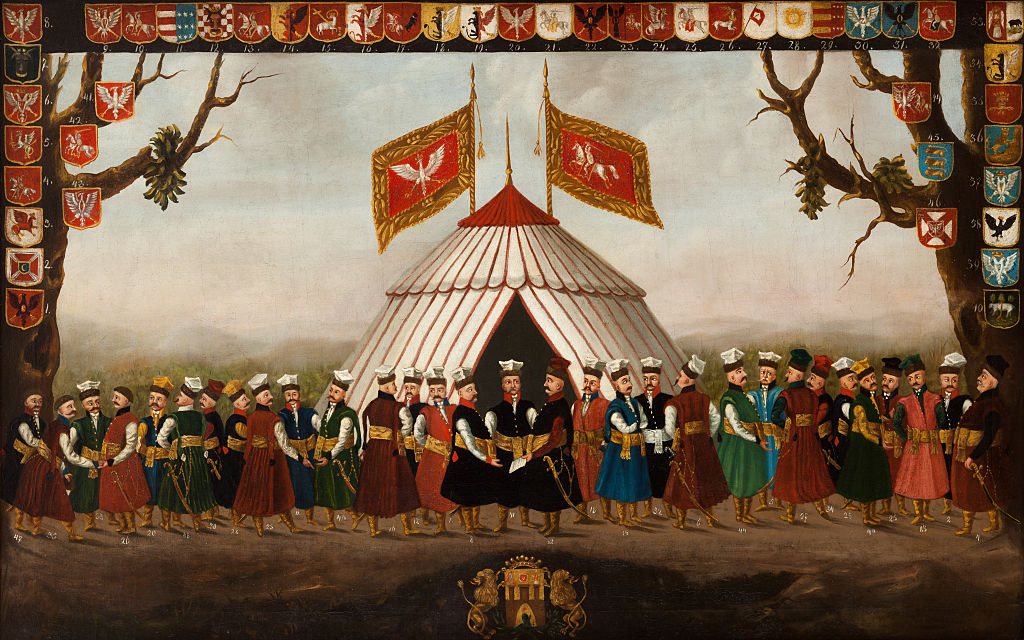
Contrary to popular belief in parts of Western Europe, and in stark contrast to claims by Joe Rogan that Poles merely want their nation to be “white”, integrating non-Poles into the broader sociopolitical fabric is a national tradition — albeit one largely forgotten since 1945. Starting with reforms in the 14th century, which allowed Jews to settle in Poland as “people of the king”, Poland became one of Europe’s most multicultural states, especially following its union with the Grand Duchy of Lithuania in 1569. The resulting Polish-Lithuanian Commonwealth encompassed myriad ethnic and religious communities, including Ukrainians, Cossacks, Belarusians, Armenians, Jews, Germans, and even Muslim Lipka Tatars, giving rise to the idea of a “republic of many nations”.
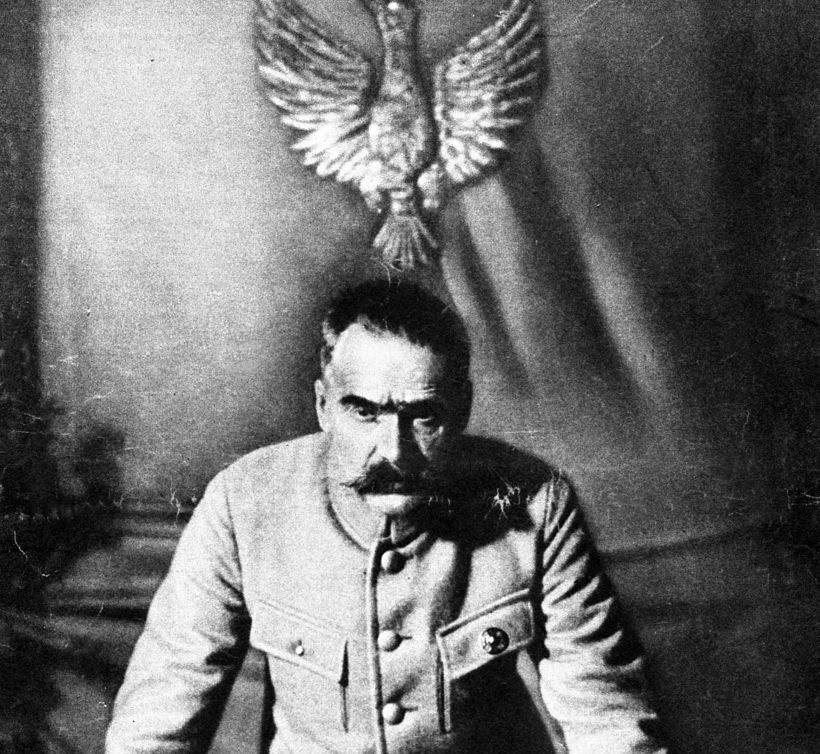
After the resurrection of the Polish Republic following the First World War, the country’s preeminent strong man, Marshal Józef Piłsudski, tried to revive this idea through a model of civic nationalism that allowed minorities to maintain their own identity, language, and heritage — so long as they pledged unwavering fealty to Warsaw. A noble effort though it was, it was an imperfect one. Belarusians and Ukrainians in the republic’s eastern lands were the subjects of on-off forced Polonisation, and despite Piłsudski’s good personal rapport with Polish Jews, antisemitism festered in the lead-up to the Holocaust, especially after the marshal’s death in 1935. What followed — invasion, genocide, population transfers, and Stalinist enthusiasm for the erasure of history — ended Poland’s multiethnic dream. And if memory of the “republic of many nations” certainly still exists, today’s migration politics is a form of resistance against exactly that dream.
To that extent, the dissonance between the country’s robust monoethnic identity and the increasing pluralism on the ground is an expression of national evolution in suspension. Of course, the centuries-old communities that comprised the Polish-Lithuanian Commonwealth differ drastically from the newer, more transient “newcomers” that challenge Polishness today. But like the foreigners conscripted to fill gaps on the Mikstat production line, many of the Commonwealth’s minorities also first arrived as itinerant travellers before settling down more permanently. The Lipka Tatars, for their part, were hired to serve in cavalry units in the royal army before being given land to settle.
Though many guest workers in Poland certainly don’t intend to remain here long-term, other foreigners clearly do. Despite the fantasies of certain Right-wingers, many Ukrainian refugees in Poland will remain even after the war ends, while others, especially the Vietnamese, are ready and eager to welcome their compatriots.
That’s exactly what happened to Mel, who was drawn to Poland by the relatively low cost of living and the opportunity to get a psychology degree in Warsaw, but who could then rely on work opportunities in a Vietnamese community that can trace its roots back to communist times. Now boasting Polish friends, and with a growing love for Polish food, Mel’s circle includes a medley of individuals, of varying economic and cultural backgrounds, that contains shades, however slight, of Poland’s prewar pluralism.
Challenges surely remain. In Mikstat, Ślęzak admits that the immigrants who interact with their Polish neighbours are outnumbered by those who keep to themselves. Perhaps that’s unsurprising: after long shifts at the factory, few have time to do much beyond resting at home, socialising only with those most familiar to them. Other clashes are more explicit: the frequent Russian voices heard in the centre of Warsaw remain grating to Polish ears no matter their views on their war, while Poles generally remain suspicious of immigrants from the Islamic world. According to Ślęzak, native-born residents of Mikstat complain about the “loud noise” that their foreign neighbours sometimes cause.
Still, newcomers like Gómez try their best. “It’s very different, but you gradually get used to it,” he says. “In my case, I’m adapting to your culture, because Polish people aren’t going to adapt to my culture, because I’m the immigrant. I’m the one who has come from outside.” That willingness to integrate is exactly what made it possible for minorities to feel a sense of common identity with their Polish Catholic neighbours in the 17th and 18th centuries. The trouble, though, is that for such an experience to arise again, Poles themselves must adapt too — and with the nativist ideal fired by the traumas of the 20th century, it’s unclear how many are willing. If fanatics like the Kraków shooter don’t succeed in bringing down the emerging multicultural Poland, the country’s own inertia may yet do it for them.
 Michal_Kranz