




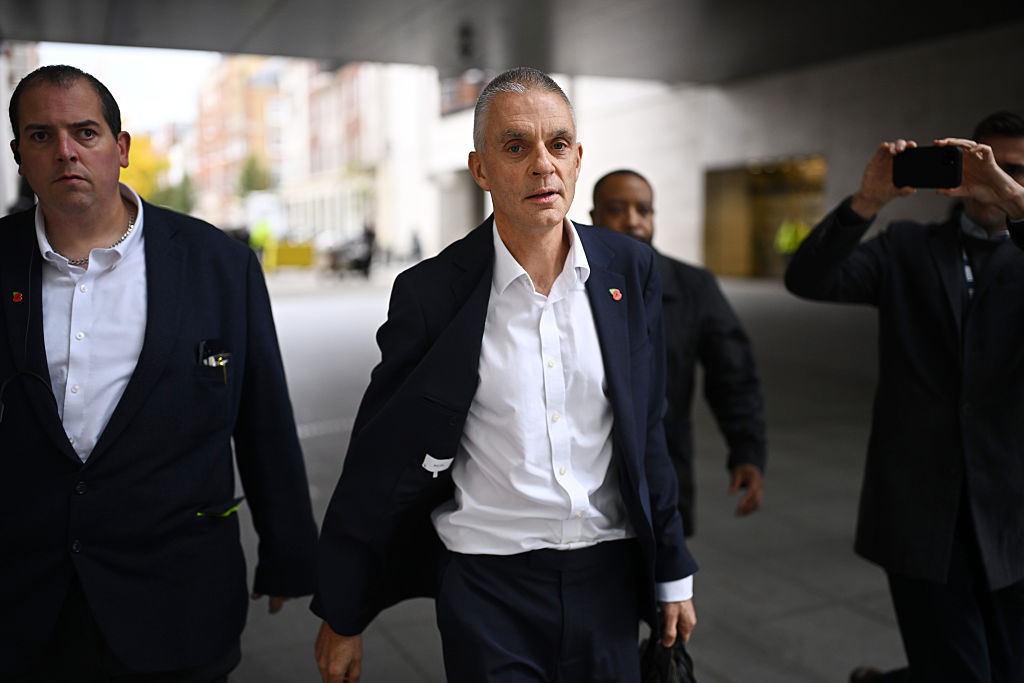
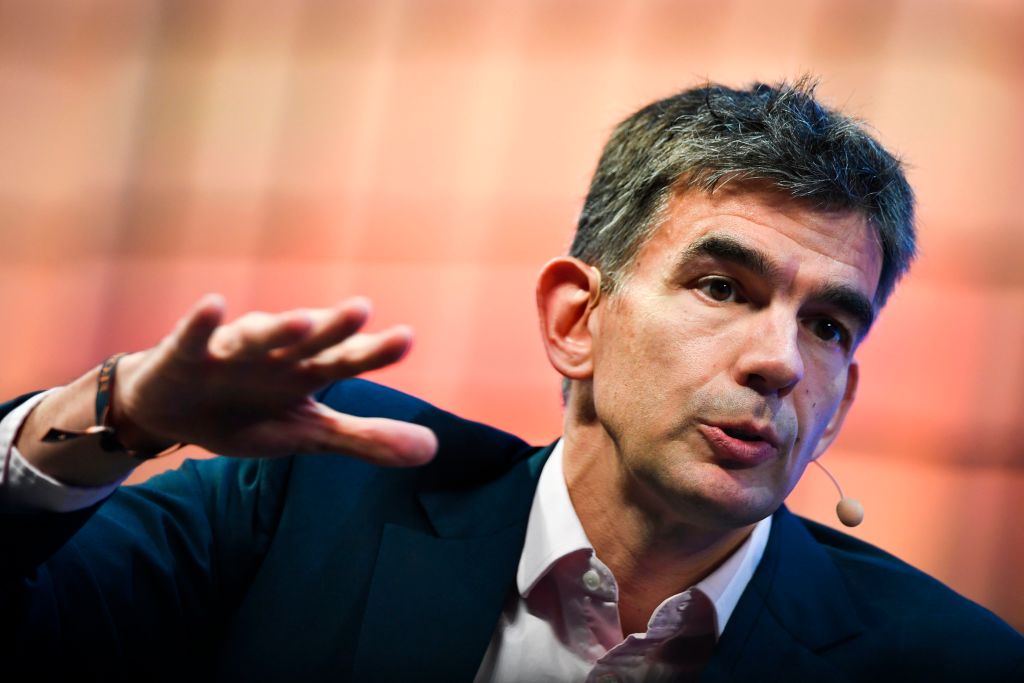
Matt Brittin and Tim Davie. (J.G Fox)





Over his 13 years as a senior BBC editor, Rob Burley saw the Corporation’s defining commitment to impartiality undermined by transgender ideology, a blind commitment to diversity and inclusion schemes, and a culture of intolerance. Informed by his experiences at Newsnight alongside other prestige shows, this major investigation reveals how the BBC took a side in the culture wars.
He draws on extensive interviews with current and former staff — including journalists at the very top. Speaking out for the first time since leaving the Corporation, Fran Unsworth, the former director of BBC News, reveals in an explosive interview: “I would actually say it drove me out, just dealing with the progressive editorial issues and the bullying around them all. It was incredibly difficult.”
But has the BBC learned from its mistakes? Only last November, Tim Davie, the former director-general, had to resign in disgrace over the issue of impartiality. And as his successor Matt Brittin prepares for his first day next week, Burley asks whether the BBC can still deliver on its founding promise to report without fear or favour.
Burley’s investigation covers the BBC’s capture from 2010 until today:
- “No Debate”: The Newsnight row that exposed a new activism
- Stonewall, the Style Guide and the drift towards advocacy
- How DEI changed the culture
- A disastrous reorganisation
- The Nolan podcast and the BBC’s Stonewall reckoning
- The battle for BBC Online
- The Tavistock Files
- Exclusive: Fran Unsworth on “progressive madness”
- Matt Brittin’s challenge: can the BBC recover trust?
***
We don’t know much about Matt Brittin, the former Google executive who will become director-general of the BBC on Monday, but we must assume that he likes a challenge. When he walks through the doors of Broadcasting House, he will be greeted by a restive staff, demands for further swingeing cuts and doubts about the journalism that, above all else, must be the BBC’s purpose.
He has to succeed where his predecessor, Tim Davie, failed, and push savings through without further compromising the BBC’s ability to deliver impartiality. That was what the row that engulfed Davie and the Corporation’s CEO, Deborah Turness, last November was about, and Brittin must fix it. Although the focus of the leaked Michael Prescott memo that triggered the crisis which saw both quit their jobs was misleading editing of a speech by Donald Trump, the kicker was an allegation that producers blocked stories unfavourable to the perspective of transgender rights activists.
Davie had never properly addressed the underlying institutional dysfunction that wrought such damage: the decade-long capture of the BBC by a world view that regards any attempt to discuss the issues around transgender rights to be hurtful and transphobic. Davie’s failure to grasp the journalistic implications of this is best exemplified by his use, as late as 2024, of the lazy mantra: “We have to be kind and caring in this and listen to people, and be nice!”
But is Brittin, another 50-something non-journalist who is happy to display his woke credentials on the trans issue, too similar to his predecessor? The similarities between the two men don’t inspire confidence and the BBC’s record isn’t good. It took a side in the culture war. It allowed its pursuit of younger audiences and an obsession with Diversity & Inclusion to skew its editorial judgement and marginalise women. This investigation exposes the extent of that capture. Based on my own experiences at the BBC, and numerous conversations over many months with members of staff, past and present, it reveals the scale of the problem and the difficult task ahead.
Assessing the damage, one former senior BBC executive who worked closely with Davie is particularly damning. “I’ve never been an enemy of Tim’s,” he tells me, “but I think that shows, again, his inability to understand what journalism does. He’s not a journalist. And that’s the problem.” One senior presenter despairs for an organisation out of touch with its licence-fee payers: “We seem obsessed with drag queens. We are in a terrible mess at the BBC.” Another wants drastic action: “There’s no sign of anyone getting a grip on anything,” he tells me. “The only solution is getting rid of them all. It’s like cutting out cancer. You have to just do it.”
“No Debate”: The Newsnight row that exposed a new activism
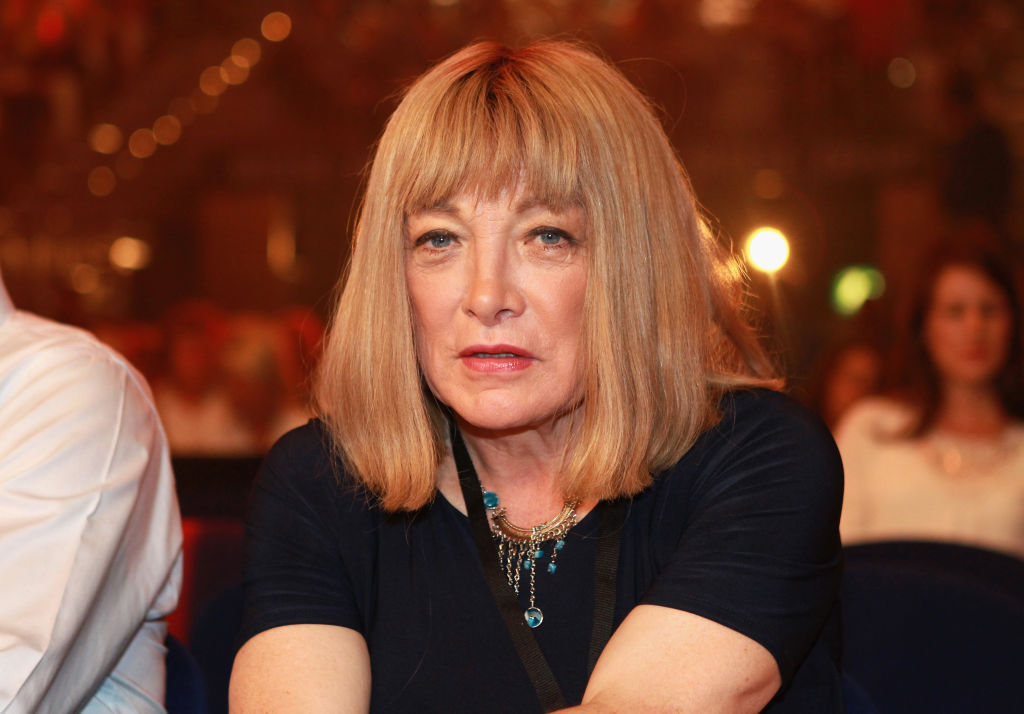
For me, it all started on a Newsnight shift in 2014 when Frank Maloney, the boxing promoter, announced he was now a woman and his name was Kellie.
Born Frank in Peckham in 1953, Maloney enjoyed a stellar career as a boxing manager and promoter who helped guide Lennox Lewis to become the undisputed heavyweight champion of the world. Frank, a chirpy Cockney, and a tiny bit menacing, retired in 2013 and began living quietly as a transgender woman. Only when the papers came sniffing in the summer of 2014 did Kellie Maloney come out on the front page of the Sunday Mirror.
It was hardly a new idea, but it was still a shock to see Kellie, transformed by a neat little bob. British culture had tended to play trans for laughs, most memorably in the guise of the unseen, deep-voiced transgender woman taxi-driver Babs in the BBC comedy The League of Gentlemen, and the bearded man in a dress insisting he was, despite the evidence, “a lady” on the less brilliant Little Britain, but the respectful reception in the boxing community, of all places, suggested attitudes were changing.
Approval was not unanimous, however. Feminist commentators noted that Maloney, then 61, had enjoyed decades as a man in a macho sport. Was it really fair that he was able to benefit from all those years as a man and then just turn around and expect to be treated as a woman? It was an interesting question, so I commissioned a discussion for Newsnight that was designed to be broad and discursive.
I approached the issue with sympathy, no agenda and little deep understanding. I assumed everyone knew the difference between a man identifying as a woman and the full Aretha Franklin: a natural born woman. I was unaware of how uncompromising many activists were on the subject. Arguments about issues such as self-ID had yet to hit the mainstream and my basic knowledge had been shaped by Channel 4’s My Transsexual Summer, which had aired in 2011. It was a sympathetic portrayal of transgender young people and what seemed to me to be their deep and sincere desire to live as the opposite sex. When it came to Kellie Maloney, I didn’t think Maloney’s years as macho Frank meant he should continue to suppress what he regarded as his true self.
I was keen to explore the issue and give a new generation of transactivists the chance to make their case in an impartial setting. What I was about to learn the hard way was that this new generation rejected debate.
It fell to the producer — we’ll call him Mark — to assemble a panel. We weren’t looking for conflict but wanted to begin a conversation that hadn’t been had yet about Maloney, women’s spaces and the aspirations of the new transactivism. Mark booked Paris Lees, a high-profile transgender woman who celebrated Maloney’s choice. To understand the nuance, we also wanted to hear from a transgender man, so we booked Freddy McConnell, best known as “the man who had given birth”, also known as a biological woman.
But we needed some grit in the oyster: a guest who could help us explore the implications of biological sex giving way to gender identity. The two women Mark sounded out had received death threats after speaking out on the subject and being labelled as TERFS: “Trans Exclusionary Radical Feminists.” It simply wasn’t worth the grief, they said wearily. When Mark posted on Twitter to ask the formidable radical feminist Julie Bindel to take part, the online activists lost it. Bindel, knowing the risks better than we did, declined the invitation.
Mark pressed on and eventually struck gold with Miranda Yardley. Yardley — a transgender woman who sympathised with the concerns of gender-critical feminists like Bindel — was already asking questions about the difficult issues surrounding biological men demanding access to spaces reserved for women. “The demand for unrestricted access to female spaces,” Yardley had written, “that exist for the dignity, comfort and protection of women, concerns me greatly.”
I was pleased. A discussion between three transgender people was unusual and interesting, even if it was slightly weighted in favour of Lees’s and McConnell’s approach. But the reaction on Twitter when we announced the line-up was less enthusiastic. The online activists thought including an actual transgender woman with a different set of opinions was transphobic.
Mark was clearly shaken by all the abuse filling his Twitter feed. A section of the transgender community were piling in, calling Yardley a TERF — though I don’t know how you can be both trans and “trans exclusionary” — and there was abuse directed at Mark too, sharing his account name, calling him “scum”.
We carried on, regardless. But then, at 8:48pm, less than two hours before the start of Newsnight, Lees took to Twitter:
I’ve turned @BBCNewsnight down as I’m not prepared to enter into a fabricated debate about trans people’s right to exist/express themselves.
McConnell, already in a cab to the studio, wasn’t far behind:
Was going to go on @BBCNewsnight but thanks to this awesome trans community, found out it’s basically a TERF-filled trap.
Lees’s reasoning was disingenuous. We weren’t debating transgender people’s right to exist: the entire panel was made up of transgender people existing and expressing themselves. And the transgender woman McConnell labelled a TERF was outnumbered two to one. Where was the trap? Instead, it looked like the pair decided to pull out as soon as they learned Yardley was booked. An alternative trans viewpoint was a threat. A discussion was unthinkable. And so, the mighty Newsnight was forced to drop a sane and serious discussion on what it means to be transgender because two intolerant transgender people misrepresented our agenda and closed down the debate.
The transactivist tactics — Twitter storms, name-calling, disingenuous accusations and the insistence on “no debate” — have become all too familiar in the years since. And the feeling that the BBC was being policed and manipulated by activists only grew stronger as their hold on the corporation grew more pernicious. But as we were to discover, this had been going on under the surface for some time.
Stonewall, the Style Guide and the drift towards advocacy
A year or so later — after I’d left the programme — the entire Newsnight team was summoned for a special event: Newsnight meets the transactivists, hosted by transgender media pressure group All About Trans. “We kind of all had to go,” one staffer remembers. “It was almost a three-line whip thing. And we were all paired with a trans person when we got there.”
I know of no other campaign group able to secure the attendance of an entire programme team, including the then-lead Newsnight presenter Evan Davis. Davis, according to one attendee, “was much more critical [of transactivists] in those days than he is now”, and he pushed back strongly when they tried to tell him the sorts of guests they didn’t want to see on Newsnight. “You can’t dictate who we have on,” he told them, “that’s not what we do.” Unlike the encounters between transactivists and concerned feminists, or those that took place online, the event was cordial.
The connections between trans campaigners and the media ran deep. In 2011, before most of us were paying attention, the lobby group Trans Media Action persuaded the BBC and Channel 4 to stump up £20,000 to get them up and running. Following the investment, which went unnoticed at the time, Trans Media Action, which later became All About Trans, held dozens of workshops for senior BBC staff providing guidance on how to handle transgender people and their pronouns. These workshops included activists from the now-discredited charity Mermaids and various pressure groups.
In 2013, representatives met various BBC executives — sometimes at the swanky Langham Hotel next to BBC HQ — including Steve Herrmann, the boss of BBC News Online at the time, and Colin Tregear, an adviser to the BBC Complaints Unit, as well as other gatekeepers of the broadcaster’s impartiality. Their message was that the BBC should refer to transgender people by the gender they identify with rather than their biological sex as well as using preferred terminology such as “assigned male/female at birth” as opposed to “born a man/woman”.
Such was their sway that when a new BBC Style Guide — the internal rule book that applied to BBC journalists — arrived in November 2013, it had adopted the transactivist position. If you said you were a woman, then that’s what you were. It also asserted that “Homosexual means people of either sex who are attracted to people of their own gender”, a contentious statement since it suggests sexual attraction is driven by gender rather than sex.
It was the BBC’s job to resist being carried along on a wave of activism and concentrate on impartiality but too many of its staff, including its executives, were pre-disposed to view the transactivist position as inherently progressive and therefore good. By absorbing the transactivist world view, the new Style Guide seriously compromised the BBC’s ability to be impartial when the controversy around the issue exploded a few years later. But that wasn’t the only problem.
In 2015, having delivered marriage equality for gays and lesbians, the hugely successful lobby group Stonewall decided to focus its energies on transgender rights. This was a perfectly legitimate move — although an ultimately disastrous one — which became a big problem for the BBC. At the time that Stonewall made this fateful decision, the Corporation was already a paying member of Stonewall’s Diversity Champions programme which offered advice, “inclusion strategies” and a nice logo to advertise your commitment to diversity. It was also registered with Stonewall’s Workplace Equality Index. The more the BBC reflected Stonewall’s approach in its internal policies, the higher it scored on the Index, and it was keen to do well as the nascent diversity and equality movement took hold within the management. So, when Stonewall added the letter “T” to the “LGB”, giving fresh impetus and credibility to the transgender rights agenda, the BBC found itself aligned with one side of the argument.
This seamlessly embedded the politics of transgender self-ID into the BBC’s HR and corporate policy, just as the Style Guide had embedded it into its journalism. The BBC, we should note, wasn’t an outlier. This was happening everywhere. And there was no resistance. As Gavin Allen, a senior manager and member of the BBC News Board from 2014 to 2021, remembers it, people were blinded by the power of the Stonewall brand. “Stonewall was a credible organisation,” he tells me. “If they said ‘X, Y, Z,’ we thought, ‘Oh, Stonewall, oh God, maybe they’re right, and we’re on the wrong side of history.’ Then you realise, ‘Wait a minute. This is horseshit.’ But unfortunately, that was way too late.”
“I heard that phrase, the ‘wrong side of history’, in so many bloody meetings,” remembers one very senior executive I spoke to. Meanwhile, women were speaking up but being ignored. The BBC seemed to work on the basis that if it was OK with Stonewall, then there was no need to check.
As a result, many at the BBC unthinkingly placed Stonewall and all its ideas firmly in the basket marked “good”, with no discussion. Critical thinking — asking whether you could genuinely draw an analogy between gay rights and transgender rights — risked putting you on the “wrong side of history”, and so it was best avoided. As one senior presenter tells me, this led to a disastrous category error: “Many people just believed the lie that this was gay rights 2.0. This was the same struggle, unfinished business from the gay rights movement, when it was nothing of the sort. It’s completely contradictory to the gay rights movement.”
The two campaigns are fundamentally different. The fight for equal marriage asked nothing of others except the setting aside of discriminatory attitudes — whether rooted in homophobia or religious conviction — about gay relationships. It demanded no one alter their understanding of reality. Transgender rights, as advanced by Stonewall, asked something categorically greater: that people accept transgender women as biological women in law, in language, and in practice — including in single-sex spaces. That is not a prejudice to be overcome. It is a question on which reasonable people, including many gay men and lesbians, profoundly disagree.
There are, of course, people who are simply transphobic — who hate transgender people for being trans. But those who oppose self-ID, the use of puberty blockers, or the opening of women’s spaces to biological males should not be branded as bigots. They are raising legitimate questions about the consequences of a specific set of policies.
And yet those who were there at the time struggle to explain how the BBC got itself into this position. “I don’t think I was ever at a meeting where a policy was agreed saying ‘trans women are women’,” Gavin Allen recalled, “it just sort of seeped in.”
And yet, it was there in black and white in the BBC’s Style Guide.
“I mean, that’s fucking awful,” Allen says when I remind him. “… I just don’t remember any debate about it.” It clearly troubles Allen that, to some extent, when inside the BBC bubble, this huge story passed him by. “I genuinely can’t remember how strongly I felt about this issue,” he says. “I certainly felt miles more strongly once I left, weirdly.”
In the years that followed, as the debate became more intense and public opinion hardened against the demands of transactivism, the BBC had to live with its decision. Impartiality is difficult at the best of times; it is almost impossible when you appear to have publicly taken a side.
***
In January 2017, the BBC led the news with the commutation by President Barack Obama of the WikiLeaks source Bradley Manning. Cath Leng was a chief writer for the channel, and she was struggling with Manning’s pronouns; Manning now identified as a woman called Chelsea and the BBC scripts, as per the Style Guide, referred to Manning as she/her throughout. Leng’s position required a commitment to accuracy and impartiality and as she remembers: “It was my job to make sure everything was true. I said, ‘You have to give me reasons why I should lie about this person’s sex. Really good reasons.’”
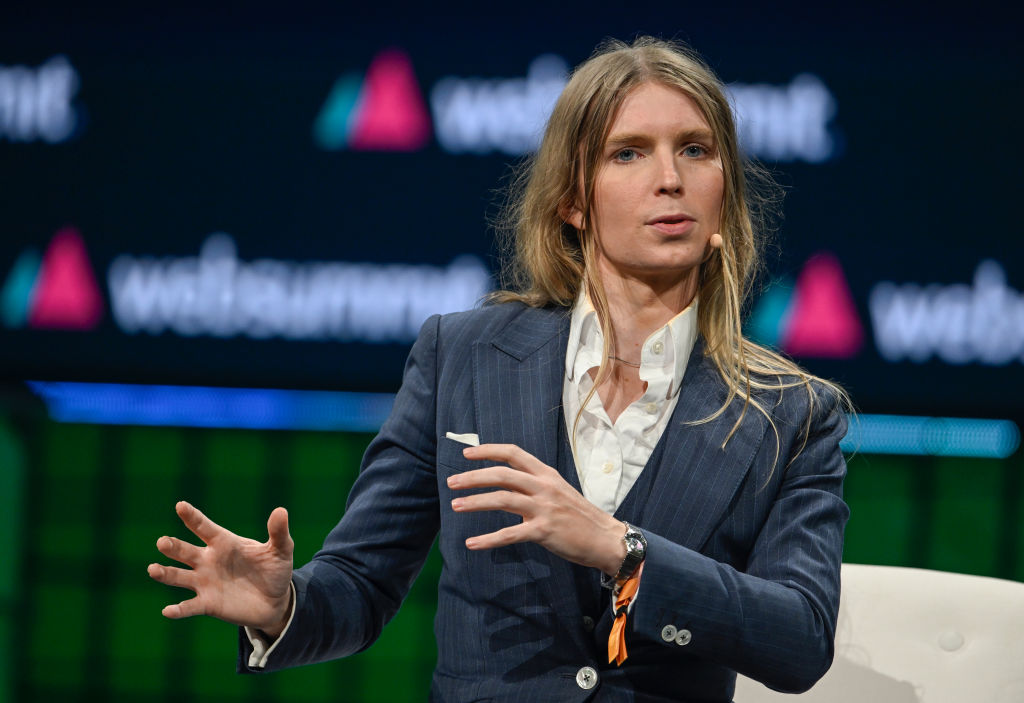
So Leng set to work on the pronouns, changing them from “she” to “he” to the outrage of some of her colleagues. Reaching an impasse, the subject was taken to the “huddle” of news editors in charge that day. Leng was overruled; from then on, for her, everything changed. “I was ostracised,” she remembers. There were some staffers who were sympathetic but they weren’t willing to back her up publicly. She was up against a generation of younger staff who were suspicious of anyone who questioned the right to self-identify, and who were backed up by the Style Guide. “It was a war of attrition.” she says. “They wear you down.”
Leng argues forcefully that she is neither a bigot nor a transphobe; her objection is based on what she considered to be the principal duty of a journalist: to tell the truth. Her refusal to back down was rewarded with disciplinary action. Ultimately, she won, but left the BBC in 2023, effectively forced out after 25 years, she believes, because of her views.
Leng’s objection — the sacrifice of truth — is a powerful one. As one long-serving presenter put it to me: “It’s the only area of our professional life where we’re told you have to say things that aren’t true.”
How DEI changed the culture
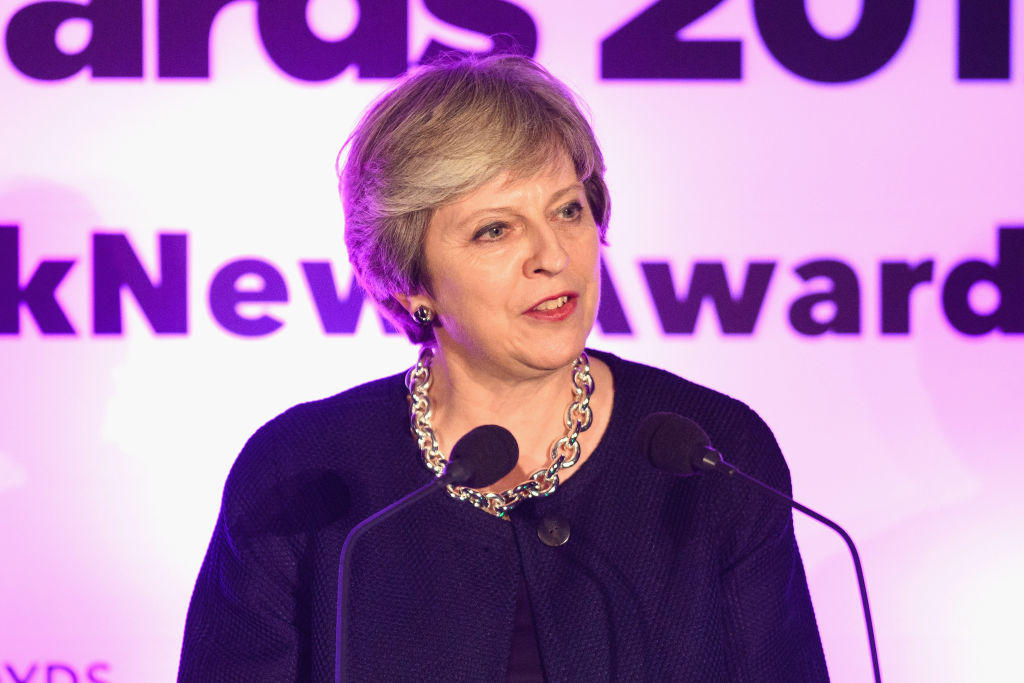
In October 2017, the then-prime minister, Theresa May, put transgender issues on the political agenda by announcing at a PinkNews Awards that she wanted to “demedicalise” the process of applying for a Gender Recognition Certificate: by scrapping the requirement for a diagnosis of gender dysphoria. This was “Self-ID”.
On the night May announced her plans, a self-identified transgender woman using the name Karen White — real name Stephen Wood — was spending another night in New Hall women’s prison in Yorkshire, where he’d been sent because he identified as a woman. He had already carried out a series of sexual assaults against female prisoners, but remained there while the offences were investigated. The following year, Wood was sentenced to life in prison for a catalogue of violent sexual offences.
This was exactly the danger women concerned about allowing biological men into women’s spaces had highlighted. They weren’t suggesting that transgender women were more likely to offend, but opposed making it easier for men to declare themselves women because it risked making access to victims — whether in prisons, women’s refuges or changing-rooms — easier for offenders like Wood. Biological men in women’s spaces was not a popular idea; it just took time to register with the public.
Meanwhile, trans-rights activism continued to gain ground. The politics of intimidation and the fear of cancellation were winning, supported by Diversity and Inclusion (D&I) or Diversity, Equity, and Inclusion (DEI) initiatives — an alphabet soup in which the BBC would slowly drown.
On the face of it, it’s hard to argue with the goals of Diversity and Inclusion: a more diverse workforce working in an environment where everyone is heard. The initiative had gripped the corporate world, and it was spreading rapidly into the public sector. But there was a problem: it was so enthusiastically embraced at the BBC that it became part of its brand and shaped its character.
The conversation quickly shifted from how to increase representation behind the scenes to the content itself: were the guest choices diverse enough? Did the content reflect the barriers and prejudices faced by a given community? How did the content sit with the BBC’s statements on diversity and inclusivity?
Across the organisation, and way beyond news, content became noticeably more diverse. This was not a bad thing. But problems arose when the content began to lean towards propagandising. Coverage of the emerging movement opposing May’s Self-ID plan, for example, was essentially nonexistent, and the films I commissioned for Politics Live represented the sum total of BBC TV coverage over the consultation period. As one BBC staffer recalled: “You’d switch on your computer in the morning, and there would be a message from Stonewall, effectively, saying, ‘We’ve cracked it. We’ve become diversity champions!’”
Meanwhile, though BBC drama, entertainment and kids’ programming worked to highlight the transgender experience, a feminist concerned about single-sex spaces was unlikely to be heard — or even allowed to articulate a view. “There’s no two ways about it,” Allen says. “It was definitely a kind of capture.”
There is an obscure but extraordinary document on the BBC website, which tells you a lot about the character of that capture and how antithetical it is to BBC values. “LGBT Culture and Progression: A report on Career Progression and Culture at the BBC” summarises a 2018 study into the culture and work environment for LGBT staff at the BBC. It assessed their career progression, and whether the working culture discriminated against them. Designed by Stonewall, the project was overseen by the former cabinet minister James Purnell, then the BBC’s director for radio and education, and whose foreword points out that almost half of 18-24-year-olds identify as something other than heterosexual. The foreword adds that “an organisation that appears to have a heteronormative culture is not one that is going to cut ice with them either as a consumer or an employee”.
The BBC’s pride co-chairs at that time — Karen Millington and Matt Weaver — also wrote a foreword. In it, they announced a decision to drop the use of “LGBT” and move to “LGBTQ+”, to ensure that everyone identifying as “genderqueer, bisexual, gay, lesbian, transgender, non-binary, pansexual, intersex, asexual, queer and questioning” feels included. In addition, the pair make several recommendations to improve the lot of LGBT people working for the BBC. All were granted and signed off at the very top of the organisation.
The report is really interesting because it openly states a position that is rarely committed to paper:
“There was a general feeling that News & Current Affairs output often presents balanced debates on LGBT issues, which were at odds with the BBC’s corporate stance on LGBT inclusion, which seemed to be invisible.”
This line has been described to me by a senior presenter at the BBC as a “smoking gun”. It reveals that these BBC employees were hostile to the journalistic principles of impartiality and balance when it came to debates about LGBT issues. Instead, they believed that the BBC’s corporate position on LGBT inclusion should be promoted and valued over and above “balanced debates”.
This statement, which contravenes the BBC’s core value of impartiality, is presented without comment as a “finding” in a document signed off by the Executive Board. In case there is any doubt about what was being said, Andrew Young, the BBC’s head of workplace diversity, inclusion and belonging, said the quiet part out loud during a Zoom meeting with LGBT allies in 2019: “I’m not going to get into impartiality. It’s not my view, it’s the BBC’s view that we need to present a balanced view and debate. Hopefully, that kind of thing might change over time.”
According to Allen, there was something else impeding impartial coverage — what he describes as the “constant thumping drum in the background saying we must reach out to younger people”. The result, he says, was a news operation “pandering” to younger journalists whose opinions on trans and identity began to dominate. Decades of experience, particularly if gathered by “cis” straight white men over 40, were dismissed. “No one could say what they honestly thought,” Allen tells me, “you’d be a kind of pariah and reactionary if you did.”
Leng had discovered this to her cost two years before. And things were about to get worse.
A disastrous reorganisation
Tim Davie arrived as Director General in September 2020, and quickly decided to push through a disastrous reorganisation of BBC News — drawn up by the Director of News Fran Unsworth — before the Covid pandemic delayed its implementation. The cuts centralised editorial decision-making while also hollowing out the ranks of experienced editorial staff. The editorial risks involved were significant, but Davie pressed on regardless.
Those who remained tell me that the effect was felt swiftly, as the mass cull of journalists led to the rapid promotion of junior staff — or “Muppets” as one veteran unfairly put it — and an over-reliance on freelancers. One senior producer recalls returning to BBC News after the reorganisation to find the BBC “had changed beyond all recognition. The foot soldiers were very, very young and very different.”
Another staffer on Newsnight recalls open hostility from younger colleagues towards the BBC board member and former adviser to Theresa May, Sir Robbie Gibb, when he went to visit the team at the invitation of the show’s editor. “I just remember really vividly coming out of that meeting, and these two young producers were saying, ‘Oh, who the fuck does he think he is? He hates the BBC. He’s a ‘fucking Tory’.” This was, the staffer remembers, a completely new breed of journalist: “They were complete activists. They had no concept of impartiality or what the purpose of the BBC was.”
Amid the cull, the BBC lost a large cohort of journalists who were genuinely interested in impartiality — a more suburban, less transgressive group. With them, a whole set of attitudes disappeared.
And while many senior positions were axed, some new ones were created. The BBC’s first LGBT correspondent started work in 2018. Ben Hunte would report on “stories, issues and debates surrounding sexuality and gender”, and provide “insight and analysis on matters affecting the LGBT community in the UK”.
The BBC has always denied that it created the post at Stonewall’s behest, but Hunte was openly sympathetic to one side of the argument — their side. The effect was to magnify the sense that the BBC was a participant in Stonewall’s campaign. It wasn’t really Hunte’s fault; it was an impossible job that shouldn’t have been created. Another journalist sums it up: “It was a complete disaster, and actually senior management would accept that. They wouldn’t go on the record and say it, but they’ve said it to me.”
As a result, Stonewall, channelled through the BBC’s diversity team, was able to pursue its agenda across the organisation unchallenged. “We were like kids who had got off tricycles and were trying to ride motorbikes,” one senior manager tells me. “People just didn’t know enough about how to deal with this new world of equality. I don’t think anyone took time to try and understand it.”
As D&I thrived, impartiality was an after-thought. Davie always sounded like he was reading someone else’s script when he talked about impartiality and journalism, but was more authentic when it came to D&I. He constantly reaffirmed the importance of diversity and told managers (including me) that they “will not get promoted without us assessing how happy your staff are and how you’ve delivered against diversity targets”. Hardly a manifesto to deal with the problem of groupthink.
One veteran journalist at the BBC who knows Davie well thinks he understood the problem. “Tim is a classic,” he tells me. “He’s a normal guy, normal instincts, and a perfectly nice fellow. He understands intellectually what’s going on, but can’t do anything about it because he feels himself cornered in a way that I don’t think realistically he was.”
The Nolan podcast and the BBC’s Stonewall reckoning
Luckily the BBC is not its Director General. It is its journalists, its mission of delivering impartial coverage, its commitment to the truth. Those, like me, who are critical of the way that the BBC has handled the transgender issue aren’t primarily concerned with the substance of the debate so much as the principle that a service paid for by everyone should not favour one side of the argument and marginalise the other. Nor can that be excused because the favoured side is more progressive or fairer or more forward-thinking. Those are opinions not facts.
While the BBC’s management lost sight of all of that, it fell to what Cath Leng calls the “rogue” elements in the BBC — from the English regions, Northern Ireland and Newsnight — to save the BBC from itself. “None of it came from the centre,” Leng tells me, “and everything that came from the centre was very affirmative.”
No wonder David Thompson, producer of a 2021 BBC Radio Ulster podcast series Stonewall, Nolan Investigates, thought his podcast might never air. For one thing, his series was a masterclass in impartiality — risking ferocious accusations of transphobia. For another, it was utterly damning for the BBC. The podcast, presented by Stephen Nolan, focused on the worryingly close relationship between Stonewall and all the public institutions that had signed up to its Diversity Champions Scheme — awkwardly including the BBC. Across the 10-part series, it laid bare the intimate relationship between the Corporation and the charity, and how that might affect editorial content.
Before the project got its official go-ahead, Thompson and Nolan submitted to an unprecedented pitching session to the BBC’s great and good on Zoom — unprecedented because London rarely paid much attention to something that was being made in Northern Ireland. The virtual room, Thompson remembers, was not enthusiastic.
One senior manager was furious, asking Thompson who he thought he was to question people’s gender identity — despite the fact that this wasn’t a part of the pitch. Crucially, however, the most senior person in the room took a different view. Fran Unsworth, whose reputation for cautiousness had worried Thompson, spoke up and settled the matter: “This is a really important piece of journalism, and we will back it.”
Unsworth’s intervention meant that the series ran, but many employees weren’t happy about it. “Overwhelmingly, people in the BBC didn’t like the fact that it happened,” remembers Thompson, “they felt it was some sort of Right-wing plot against trans people or something.” At every stage, he says, there was push-back and even sabotage with promises of accompanying online pieces being made and then broken.
“In London,” he continues, “BBC online stripped back the online version of the story so far that the article became neutered. But by that stage, I couldn’t be bothered with the fight. At every stage there was resistance.”
But the resistance receded when the listening numbers came through. Despite minimal promotion, and all that difficulty with BBC Online, Nolan and Thompson had a hit on their hands. “And then,” Thompson told me, “everyone wanted a piece. And some people who had not wanted anything to do with it were attaching themselves to it and congratulating themselves on their bravery.”
The podcast made such a convincing case of a conflict of interest that the relationship between the BBC and Stonewall became untenable. By November, the BBC, very reluctantly, left the Diversity Champion’s Scheme, not because there was undue influence coming from Stonewall, you understand, but because it might look that way. Nolan Investigates: Stonewall should have marked a turning point, but insider attitudes didn’t shift.
The battle for BBC Online
The real problem, as David Thompson found, was online. “It’s been known about for years” one senior BBC journalist told me “nobody did anything, and they were warned.”
In 2021, one senior manager wrote a confidential memo expressing concern about the volume of trans-related content appearing on the BBC News website’s homepage. It was, he wrote, disproportionate, always affirmative and dangerous: “in doing so we perhaps fail to explore more fully the wider debate over the important societal issues involved.”
Numerous members of staff I have spoken to have echoed those concerns. Online is the part of BBC News where the sense of capture is most acute. Staff would describe it as a place where metropolitan identity politics is the norm, and where women worried about single-sex spaces and the risk of violence were disdained and regarded as extremists. “The level of hatred for women who raise these issues is quite shocking,” one tells me. “It’s actually quite upsetting. I find it very, very hard on a personal level, both professionally and actually personally, to be perceived in this way.”
Caroline Lowbridge, a BBC journalist based in Nottingham, found this out the hard way. She came to the website in 2021 with a feature about lesbians who were facing pressure to have sex with transgender women, and who were being called transphobic if they didn’t.
Her story represented one of the most troubling and bizarre aspects of the transgender argument: Stonewall, of all organisations, was castigating lesbians for not being sexually attracted to penises. The chief executive of Stonewall at the time, Nancy Kelley, even suggested that same-sex attraction was akin to sexual racism, when people exclude potential romantic partners on the grounds of their ethnicity.
Kelley was alerted to the article when Lowbridge contacted Stonewall for comment. Kelley swiftly followed up with Kamal Ahmed, the editorial director of BBC News, expressing concern that the allegations in the piece “neatly intersected with the component of transphobia that is representing trans women as sexual predators”.
Ahmed passed the concern onto Lowbridge’s line manager, commenting that the territory was a “bit niche”, but he didn’t try to stop the story. The same can’t be said for numerous others within the BBC who accused Lowbridge of transphobia and her piece of misgendering and mis-use of language. One senior staffer told Lowbridge in an email that the trans community “is already massively under attack, both physically and culturally”.
Lowbridge’s response was weary but determined: “I’ve been attacked on social media, and the chief executive of Stonewall has contacted the BBC News Editorial Director to complain about me. The story has now been through 18 different people within the BBC (at the last count) and has still not been published.”
Once again, Fran Unsworth had to intervene to get the story out. And when it finally appeared, there was a sting in the tail: the article carried Lowbridge’s name in the byline. Given the nature of the story and the strong opposition to it, it would be reasonable to be given the opportunity to remain anonymous. But I have heard reports that Lowbridge’s bosses were insistent that she put her name to it. Perhaps they thought she might finally back down and decide against publishing the story.
When the article was finally published, there were anti-BBC protests on the streets of Lowbridge’s hometown, Nottingham, and a demo outside New Broadcasting House. But the fact that it made it at all was a minor miracle. One BBC online staff member couldn’t believe their eyes: “I thought, Wow! Finally, we’re actually covering it.”
We will never know how many stories were quietly abandoned or actively suppressed.
The Tavistock Files
Perhaps one of the most consequential stories that actually made it through to broadcast examined one of the most worrying aspects of the whole transgender debate: children.
Deborah Cohen and Hannah Barnes — both Newsnight journalists — had spent two years doing what the rest of the BBC’s news operation conspicuously wasn’t: investigating concerns, first raised in 2019, regarding the Gender Identity Development Service (GIDS) at the Tavistock Clinic in London — Britain’s only specialist service for children seeking to transition. Backed by an independent editor, Esme Wren, their forensic reporting revealed that puberty blockers were being prescribed without sufficient evidence of benefit; that there was an overly affirmative culture that reinforced patients’ desire to transition; and there was a climate in which staff were discouraged from raising doubts. Delivered amid the usual accusations of transphobic bigotry, their work triggered an official investigation into the service and significantly contributed to its closure.
In April 2024, the Cass Report — four years in the making — delivered its damning verdict. It was the lead story on Newsnight. Cohen and Barnes had both left the programme by then, but Barnes returned as a guest to discuss it with Victoria Derbyshire.
The first person asked to comment was Hannah Philips, a transgender woman who’d had a positive experience at the GIDS clinic. This was nothing new. Whenever Cohen and Barnes had reported on the service, there was pressure to include “positive” transgender voices to offset the negative nature of the story. Even when the evidence was in and the verdict delivered, the instinct was still to soften it.
Barnes was genuinely angry as she talked about how long it had taken for anything to be done. Where were the politicians? “Where have large swathes of the media been? And sadly, I include the BBC in that, outside of this programme.”
It was clear that an NHS scandal of the first order had been ignored entirely by the BBC’s health team. One senior staff member at the BBC I spoke to thinks it was simply down to fear. “I do think the department has just dropped the ball. I have a lot of time for Hugh Pym [the BBC’s health editor]. He’s a sweet guy, and the other health correspondents are good, but my God, what an absolutely extraordinary fact that they just avoided this subject for all those years.”
Exclusive: Fran Unsworth on “progressive madness” inside BBC News
As I came to write this piece, I wanted the most senior managers of BBC News to be held accountable and to explain their side of the story. Only one, Gavin Allen, was willing to go on the record. But then, my long-shot interview bid for the former director of news at the BBC, Fran Unsworth, came off. She is closely associated with the failure of BBC News to get a grip of the problem, and yet was also instrumental in supporting the journalism that salvaged BBC News’ reputation.
Unsworth was never your average BBC News executive. She was a grammar-school girl from Stoke-on-Trent and she went to Manchester University, not Oxbridge. Only the second woman to reach the pinnacle of BBC News, she succeeded James Harding, a charismatic former editor of The Times who had failed to address that big question: how could BBC News make the huge savings required after the depletion in the licence fee? This was Unsworth’s unhappy inheritance, and the reorganisation she delivered was her malign legacy. It saved money but left BBC News editorially exposed.
It has been four years since Unsworth left her post as the most senior person at BBC News, and her account of the job feels like a trauma relived. This exclusive interview is the first she has granted since leaving the newsroom, and is the first account from the very top of the organisation of how the culture wars buffeted the BBC. She’s still raw from the experience of doing something she loved in an environment she began to hate. “It was bullying,” she tells me from Australia, where she now spends half her year. “But it wasn’t just the trans issue. There was lots and lots of bullying going on about all sorts of things: people didn’t want to hear from certain points of view; they’d ‘no platform’ them; all that safe-spaces shit.”
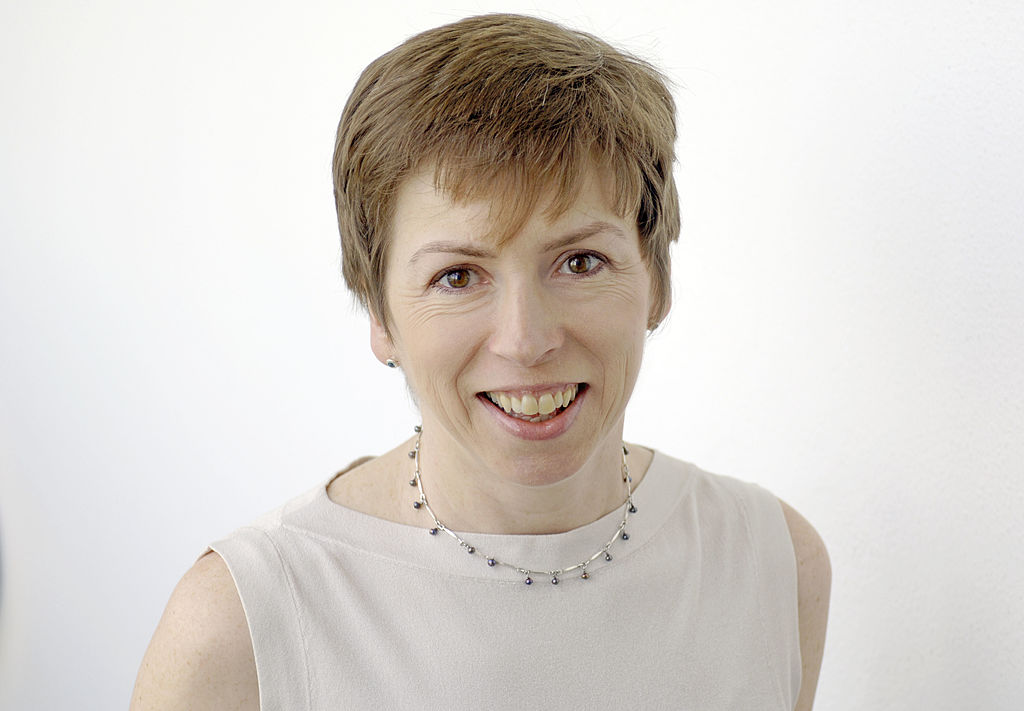
If you were to identify the high-water mark of what, in the absence of a better word, you might call “woke”, it would align pretty much exactly with the period between 2018 and 2022 when Unsworth ran BBC News. She believed in the finest traditions of BBC journalism: editorial independence, open and robust internal debate, and impartial and accurate output that doesn’t shy away from difficult subjects.
In theory, at least, this combination of old-school BBC editorial toughness and political know-how made her the right leader for the moment. The reality was more complicated. Looking back, she concludes that BBC News had become “increasingly unmanageable”.
In seeking to explain why — with the handling of the transgender issue in mind — she returns to the unique environment she encountered in 2018, a time of what she calls “progressive madness”. “This wasn’t something that just affected the BBC,” she says. “The world went mad, and the BBC, because it is part of the world, went a bit mad with it. This was going on in every institution in society; there was a kind of national bullying going on.”
I have heard this a lot from other senior executives within the BBC. But it’s a weak defence. The BBC should stand up to bullying, not be driven by it.
“It’s what you might expect of arts institutions or universities,” I say to Unsworth, “but we are journalists. Journalists are sceptical people. They don’t just lie down. They’re supposed to stand up there and think about it first. And there was an absolute absence of that, and just a complete caving. We shouldn’t have done that. That’s not us!”
“I don’t feel I completely caved,” she says, sounding a little stung. “I really don’t, but I do think that it could have done something more robust. The BBC needed to be better than that.”
But Unsworth is keen to defend her own staff. She says there was an “awful lot of pressure” from “other parts of the BBC if they felt that the editorial direction of the story was not supporting their particular point of view on it. And maintaining impartiality became quite difficult.” In particular, drama and light entertainment approached the subject from a “mono perspective”, pressuring her staff when dissatisfied with coverage. In this climate, “maintaining impartiality became quite difficult”.
Unsworth’s suggestion that the rest of the BBC was more radical than BBC News echoes what other senior figures have told me. The children’s documentary My Life: I Am Leo (2014), for example, could have been scripted by the charity Mermaids. But the suggestion that News’ missteps were driven by pressure from those colleagues is a stretch. Nor is it supported by the experience of the Nolan team or Cath Leng or Caroline Lowbridge. I have spoken to too many people about the concerted pushback from within BBC News to believe that employees were doing so under pressure from their right-on friend in the drama department rather than from their own convictions.
“As you well know,” Unsworth tells me, “editorial decision-making in the BBC isn’t top-down. It’s about editors deciding what they want to put on their programmes. And one of the big factors in it is because they took so much heat whenever they went near this subject.”
This implies that programme editors only avoided the subject out of fear. But, in reality, we know that their decisions were more deliberate. As I put it to Unsworth, on transgender issues some BBC News journalists, including editors, thought that there was only one legitimate viewpoint and that everyone else was wrong. “Yeah,” she says, “that was how it was.”
We also know that Stonewall was deeply embedded in the corporation. But Unsworth rejects the accusation that the charity had a direct impact on editorial output: “Nobody, ever, ever said to me as Director of News, ‘you need to get points in the Stonewall league table’.” But, more importantly, she acknowledges that “there was a sea in which we all swam… an atmosphere. We need to be kind to transitioning people. It’s a social phenomenon. And I think this ‘be kind’ thing was at the heart of it.”
“Do you think that’s a problem journalistically?” I ask.
“I do, yes. I do,” she replies.
“I think we could have done a lot more,” Unsworth continues. ”But we did set up a whole impartiality training thing, don’t forget, to remind people what impartiality looked like. People went through the whole course. One question you can ask yourself is: why was it so ineffective?”
While Unsworth agrees that the problem “wasn’t gripped”, she offers an audacious explanation based on a technical interpretation of impartiality and “due impartiality”.
According to the BBC’s Editorial Guidelines, impartiality means “not taking sides, reflecting all relevant strands of public debate and challenging them with consistent rigour”. The need for “due impartiality” arises when treating the two sides of a question equally is inappropriate: the classic example being a discussion between someone who believes the Earth is flat and someone who believes it’s round. Strict impartiality would not be appropriate in such a discussion, because of the overwhelming balance of evidence. There are, of course, less clear-cut issues where the evidence is contested and inconclusive. That doesn’t mean those subjects aren’t covered, of course, but programme makers must ensure they are fair.
It turns out that this concept of “due impartiality” is the crux of Unsworth’s explanation and defence of BBC News’ handling of the transgender story. Here’s how: “Impartiality only operates when you can look at evidence and facts and point to them as the basis of your reporting on this. And the facts at this point were incredibly disputed.”
But this changed in April 2025, she tells me, when the Supreme Court made clear that a woman — for the purposes of the Equality Act — meant a biological woman. This provided BBC journalists with a “basis of challenge” against those who insisted men could decide to be women. Prior to the ruling, producers couldn’t judge if one assertion (“trans women are women”) was any more true than another (“trans women are not women, they are biological men”).
Can this absurd assertion really lie at the heart of the BBC’s trans tangle? Well, Unsworth tells me, “until the Supreme Court ruling on it, Keir Starmer himself was saying trans women are women”.
Starmer seems a perverse choice of lodestar and the argument seems to make no sense. But then it struck me: the BBC’s Style Guide said that inside the BBC you were a woman if you said you were. It still does. It had already made its choice. The Supreme Court has upended that, Unsworth is saying, so now it’s up for grabs.
Unsworth similarly notes that only since the 2024 Cass report on the Gender Identity Development Service (GIDS) at the Tavistock and Portman NHS Trust has there been evidence to support judgments about transitioning, detransitioning, puberty blockers, surgery, and cross-sex hormones. While valid, this is an immense simplification of longstanding concerns about GIDS — concerns that Newsnight journalists were investigating long before 2024. Surely producers should have approached content about young people and gender reassignment with caution and a duty of care.
Instead, coverage had been constantly, wildly affirmative. BBC Three pumped out content throughout the 2010s that told only one side of the story. CBBC aired I Am Leo in 2014 (it’s since been removed from the BBC iPlayer). Then there was BBC News’ weekday news programme, Victoria Derbyshire, which launched in 2015. It was obsessed with the transgender issue, and transgender kids especially, from the start. After just six months, Victoria Derbyshire was crowned Broadcaster of the Year by PinkNews, which stood proudly as a pro-trans publication. Louisa Compton, the editor of Victoria Derbyshire, declared herself “really proud that our first and probably only ever award is a PinkNews award”. Fair enough, who wouldn’t want an award? But on this subject the programme, particularly in those early days, felt uncomfortably aligned with one side of the argument.
“Derbyshire was a sort of an ‘I feel your pain’ type show,” Unsworth says. “It wasn’t ‘Let’s look at the issue in the round’. It wasn’t a current affairs programme in the same way that Panorama is or Newsnight was. It was a perfectly legitimate journalistic endeavour.” The implication of her answer is that a human-interest-led show doesn’t need to worry about balance and fairness like other news programmes.
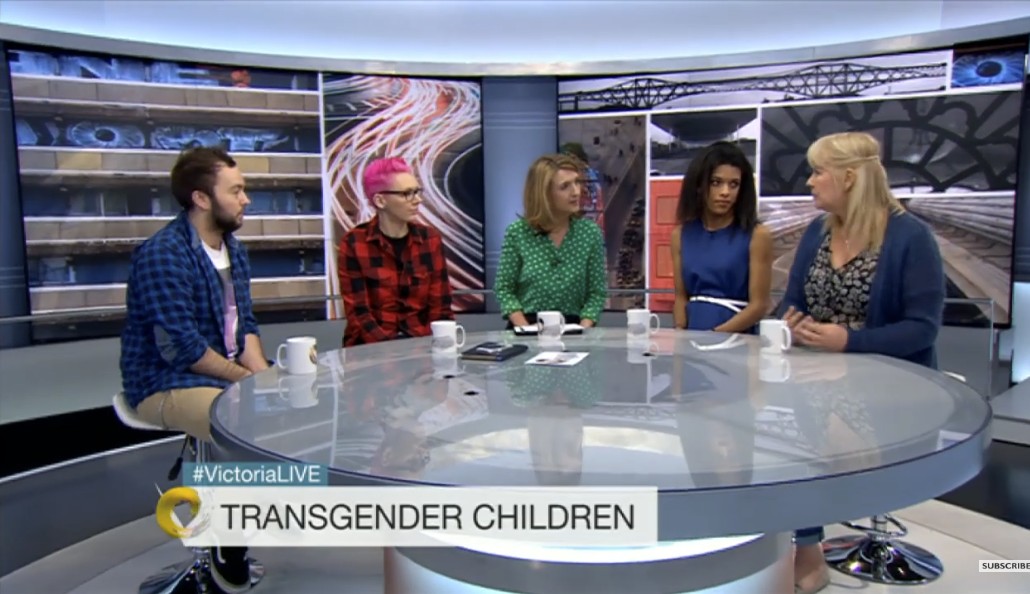
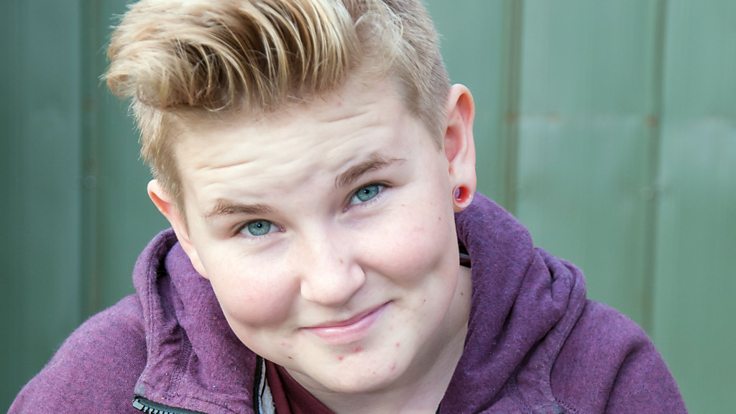
The first item on the first edition of this “perfectly legitimate journalistic endeavour”, aired in 2015, was an “exclusive interview” with two boys who were living as girls, aged six and eight. The conversations with the children focus on “girl stuff”, “boy stuff”, and being “born in the wrong body”. There is praise for the Tavistock clinic and discussion of when parents might consider surgery. A follow-up film included the moment when a transgender girl, Jessica, tells Derbyshire about her fear of growing up with a beard and moustache. “What do you think you could do, possibly, to stop that happening?” asks Derbyshire. “I’ll get blockers,” said Jessica, aged nine.
Cath Leng worked on the programme during its early years. She confirms that: “It was really, really affirmative, and it was impossible to get items or guest ideas that came from a more gender-critical perspective on air.” Unsworth’s argument is that before the publication of the Cass report in 2024, editors didn’t have the evidence to achieve “due impartiality” when covering stories about children presenting with gender dysphoria. That would be fine if the programmes were scrupulously cautious, neutral and impartial, but, then, that wouldn’t win you a PinkNews award.
Unsworth says that the BBC couldn’t ignore “the number of children that were presenting as gender dysphoric”. This is true but I wonder whether the BBC might have contributed to the increase in numbers by airing such affirmative content. Unsworth doesn’t dismiss the idea. “We’ll never really know that, will we,” she says, “without looking at the timelines on it?”
Between 2014, the year I Am Leo was broadcast, and 2015, the year Victoria Derbyshire began, the number of referrals to GIDS almost doubled. Between 2015 and 2016, that number doubled again. Obviously it’s impossible to ascertain what role, if any, BBC content played in influencing under-18s to transition, given the other complex factors at play. But in any case, Cath Leng believes it was harmful: “I’m convinced that those two programmes are responsible for harming children. They need to acknowledge the mistakes they made.”
Unsworth continues to insist, though, that it wasn’t until last year’s Supreme Court ruling that there were facts that you could use to challenge the “trans women are women” loyalty test. But I challenged her, suggesting that there were indeed facts: facts about the reality of sex. Asked whether it is not a fact that trans women are women, she pauses, before reluctantly answering: “No. They’re trans women.”
I ask whether this made it a lie that BBC staff were asked to tell.
“What I’m saying to you,” Unsworth fires back, “is that if the BBC had decided to say, ‘Do you know what? We’re not having any truck with this,’ that would have meant the BBC was on one side of the argument. At a time when certain things weren’t determined.”
Of course, the opposite was true: the BBC had already put itself on one side of the controversy, “until”, as Unsworth concedes, “certain stories bubbled up, which meant [we] couldn’t hold the Stonewall point of view any longer.”
It’s hard to avoid the sense that Unsworth is constantly hedging on the transgender issue by deploying a useful ambivalence. “I seek to influence and change and bring people along with me,” she says, “that’s how I operate.” And it would have been risky to lay down the law: “If Directors of News are seen as partial in any way, they have no role at the BBC.” (And yet some of Unsworth’s former colleagues have told me they’d sometimes leave a meeting feeling certain she was on their side only to realise the hard way that she’d made no firm commitments.)
There is, then, a sad paradox to Unsworth’s tenure. She pushed through the catastrophic reorganisation in 2021 from which, as she admits, “many of the problems the BBC faces actually stem”. But she also did more than anyone else in very senior management, with the exception perhaps of David Jordan, the director of editorial policy and standards, to ensure the most impactful pieces of work on the transgender debate did appear — most notably the Stephen Nolan podcast that helped end the BBC’s relationship with Stonewall. Unsworth admits she saw the podcast as an opportunity to make up for coverage that had been “largely skewed to one side”. And with Lowbridge’s much delayed piece on the “cotton ceiling”, she attempted to demonstrate that staff power did have its limits.
Nonetheless, her overwhelming preoccupation was to remain neutral because she knew, from numerous examples, how that same “staff power” often prevailed at BBC News. “I was only too aware,” she says, “that I could have been cancelled by my own staff, not just on this subject, but on all sorts of subjects.” The fact that she thought she might be taken down by progressive staff by forcing them to get to grips with a contested subject tells you everything you need to know about where the BBC had ended up.
This fear of the threat from some staff to her position and well-being hastened her departure: “I would actually say it drove me out, just dealing with the progressive editorial issues and the bullying around them all. It was incredibly difficult. Actually, it was quite miserable dealing with this hard pounding in the trenches. The BBC is an absolutely fascinating, fantastic place. But I think in this particular period, there was an intensity I hadn’t really experienced throughout my 40-year career there.”
Matt Brittin’s challenge: can the BBC recover trust?
Fran Unsworth still cares deeply about the BBC and worries about its future. “We absolutely need the BBC more than ever in these polarised times,” she tells me. “And I think it really does need to be preserved and cherished, not just attacked.”
I share her view of the importance of the BBC, but it can’t be an organisation that unites people in a time of division if it is seen to represent and promote one particular perspective above others.
Even though the overt transactivist presence in the BBC might be more muted in 2026, there are still problems within the organisation, including at the Executive Complaints Unit (ECU) — the part of the BBC that adjudicates on complaints about its output. Last November, in the middle of the crisis surrounding Michael Prescott’s dossier of alleged BBC bias, the ECU upheld a complaint against newsreader Martine Croxall. The intervention chimed with Prescott’s claims that transactivism remained an issue at the BBC.
In June 2025, Croxall was live on air when she was confronted with a script line — apparently lifted directly from a press release — which referred to “pregnant people”. As she realised what she’d said, she corrected herself and said “women”. Then she rolled her eyes. Some viewers, interpreting her eye roll as an expression of deep-seated transphobia rather than simply exasperation, complained. In November, the ECU upheld the complaints on the grounds that “the facial expression which accompanied the change of ‘people’ to ‘women’ laid it open to the interpretation that it indicated a particular viewpoint in the controversies currently surrounding trans identity”. This was evidenced, the ECU suggested, by responses on social media that either congratulated her or castigated her, depending on where they stood on the issue.
In the middle of that seismic November week for the BBC, the one which took out both the director of news and the Director-General and saw them being sued by President Donald Trump, the Croxall ruling was emblematic of lessons not learnt. This was not the ECU’s first rodeo. Back in August 2023, during an interview on BBC Radio Four’s Today programme about an International Chess Federation ban on transgender women from competing in women’s events, veteran Today presenter Justin Webb referred to “trans women, in other words, males”. Since the discussion was about how male brains have an advantage in chess over female ones, it required clarity.
Inevitably, there were complaints; extraordinarily, they were upheld by the ECU, which said the phrase Webb used “could only be understood by listeners as meaning that trans women remain male, without qualification as to gender or biological sex” and that Webb “even if unintentional, it gave the impression of endorsing one viewpoint in a highly controversial area”. Asked about the ruling in a Select Committee appearance in the aftermath, the then Director-General Tim Davie characterised it as a foot fault — a very minor offence by Webb — but a fault nonetheless. In light of last year’s Supreme Court ruling, the verdict looks ridiculous, but it stands.
Those close to Webb say he is irritated and a little bruised by the process and is clear that he has done nothing wrong. But he does realise he has got off lightly compared to women such as Cath Leng, who were effectively forced out of their jobs for taking a stand. I understand Webb has taken legal advice and is mulling whether to revisit the matter.
I’d suggest the ECU brace itself in the light of email correspondence I have read in relation to the Webb case, which reveals that the body gives credibility to the fantastical theory that men can actually change into women. In one email, the deputy head of programme complaints, Dominic Groves, stated to colleagues regarding the Webb case that the belief that sex is “biological and genetic and therefore cannot be changed” was “vulnerable to the point that many trans advocates (some doctors and scientists among them) say sex isn’t biological and can be changed”.
The idea that the overwhelming body of evidence that sex is immutable is vulnerable to a fringe view like this is absurd. The fact that the BBC’s complaints department even entertains it is extraordinary. Let’s hope the new director-general, Matt Brittin, does the decent thing by reversing the decision and issuing a public apology to Webb and the team at Today, which is one of the few outlets with a record of journalistic bravery on this story).
The question now, as Brittin finds his feet, is how much of a problem the BBC has with activist journalism in its ranks in 2026.
Many I have spoken to think there is still a significant problem and believe an active purge is required. Others believe that the Supreme Court ruling a year ago changed the conversation internally. For instance, director of news content Richard Burgess admitted to staff that they “hadn’t got everything right” in their handling of the trans story.
That’s been built on with a new approach to trans coverage in the current style guide whereby, if it helps the audience’s understanding of a story, the biological sex of an individual will be mentioned. When I asked Unsworth about what regrets she had she immediately said “that we didn’t have a really, really, really hard look at language”. Brittin could decide to do just that.
The DG’s other big challenge is deciding where to find those 10% of cuts. More salami slicing of BBC News is not the answer. He should protect news, current affairs and political programmes from further pain. The BBC needs to be a bastion of free speech and diversity of opinion. Politics Live and Newsnight, while diminished, must not face further cuts and the BBC should offer a serious long-form political interview programme once again.
Brittin should also demand an audit of the skills and experience of the staff that work in News. The BBC needs to make sure it has sufficient experience and then re-empower programme editors to operate independently. Paying for all this will be challenging, but perhaps Brittin should look to non-programme-making functions and ask whether the BBC really needs them. Only by rebuilding BBC News intelligently and by insisting every employee signs a pledge to uphold the principle of impartiality can another debacle be avoided.
Another idea, suggested by Gavin Allen, is for the BBC to do as it did with climate change and make clear that it operates on the basis of evidence. Just as the BBC declared it would no longer debate whether man-made climate change was real because the evidence meant there was nothing to debate, Allen argues that the BBC could state that there are two sexes and that people can’t change sex. Once that is taken off the table a constructive conversation about what the transgender community needs that moves beyond the rhetoric of placards and social media might be possible.
A decade ago, transgender people in Britain enjoyed broad public sympathy. In 2016, almost six in 10 people agreed that a transgender person should be able to change the sex on their birth certificate. Only around one in five disagreed. The British Social Attitudes survey revealed a country that was overwhelmingly tolerant on the subject and becoming more so.
But then the discourse shifted. The activists took over. The placards. The threats. The cancellations. Women were hounded out of their jobs for stating biological facts. Academics were driven from their universities. Lesbians were told they were transphobic for not wanting to sleep with people with penises. And the BBC, rather than standing firm as the world went mad, went along with it.
By 2023, support for changing sex on birth certificates had collapsed to just 24%; half the country was now opposed. Nearly half of Britons said attempts to ensure equal opportunities for trans people had gone too far. After the Supreme Court ruling in April 2025, almost six in 10 agreed that a transgender woman was not legally a woman.
The transactivists, with their refusal to engage and their taste for intimidation, have achieved the precise opposite of what they said they set out to do. They have reversed years of goodwill and left transgender people more exposed than they were before any of this started. And the institutions that should have held the line instead capitulated. Let’s hope Matt Brittin, when he starts his new job next week, will take the opportunity to remind those who remain at the hollowed-out BBC, ravaged by cuts and undermined by political enemies, that its demise will be assured unless advocacy journalism for any cause, whenever it rears its head, is stamped out and — well — cancelled.
***
A BBC spokesperson said in response to this article: “BBC News has taken a number of actions relating to our reporting of sex and gender including updating the news style guide and sharing new guidance, making our Social Affairs Editor responsible for this coverage, and where there have been concerns about particular stories, we have addressed them. We continually review our coverage to reflect developments such as the Supreme Court Ruling
“We recognise the strong feelings and concern felt by many people about the reporting of sex and gender. Our intention is to give clear, accurate and duly impartial information to audiences and to reflect the different viewpoints on the issue.”