









February 5 2026 - 9:00pm
The 2028 presidential election is more than two years away, but already pundits and journalists are falling into the trap of thinking that the outcome will depend on the identities of the candidates nominated by the two major parties. If California Governor Gavin Newsom is the Democratic nominee, will he be hurt by California’s Left-liberal reputation?
Probably not. But the same logic cuts against claims that Pennsylvania Governor Josh Shapiro would need to deliver major policy wins in his home state to prevail in the 2028 Democratic primary, or in the general election should he become the nominee.
This focus on the public records and personal appeal of candidates is a make-work program for commentators. But it is based on a failure to understand the degree of partisan polarization in today’s politics. From the Sixties until the Eighties, there were wild swings from one presidential election to another. Lyndon B. Johnson in 1964, Richard Nixon in 1972, and Ronald Reagan in 1984: all won landslides. But that was then.
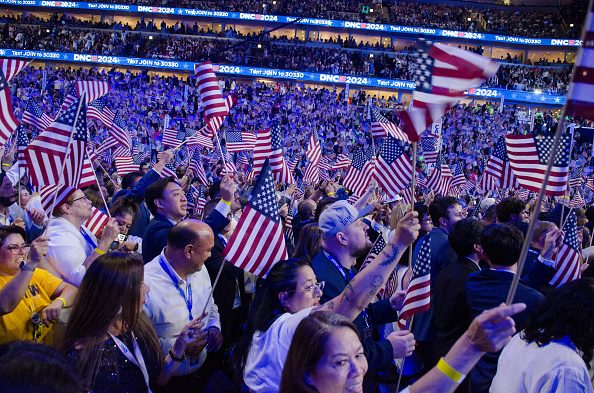
In 2000, the Electoral College map froze and has remained more or less the same in the last seven presidential elections. Most voters in 2028 will vote the way they did in the previous election. Partisanship has become nationalized. The age of split-ticket voting, in which voters commonly supported one party down-ballot and the other for president, effectively ended around 25 years ago. The number of swing voters has dwindled and they are concentrated in a few swing states, most of them industrial states in the Great Lakes region such as Pennsylvania, Wisconsin, and Michigan.
It is also a common misconception that swing voters are necessarily centrists or moderates who might be alienated if one or another party seems too extreme in its policy positions. Instead, they tend to be “low-information voters”. The term refers not to their intelligence, but to their lack of close attention to politics. Many of them might be unable to name their congressional representative or senator. They may vote for a candidate about whom they know little or nothing because they like his or her appearance or respond to a theme in election-year campaign ads. Some swing voters go back and forth between the parties depending on whether the economy is healthy or weak.
In the case of the 2024 election, Trump’s victory was attributed by some analysts to a campaign ad attacking Kamala Harris’s support for transgender surgeries for US prison inmates. But that controversy was not on the list of the eight most important issues for voters in battleground states, which were the economy (24%), abortion (18%), and immigration (15%). It is doubtful that a swing voter in the US changed their vote for that niche issue.
What this means is that it may not matter who is on the ticket in 2028. Would-be presidents need to win over a majority or plurality of voters in primary elections. But once they are the official party candidate, all they need to win is the support of tribal Democrats or Republicans plus a sufficient number of low-information swing voters in a few battleground states. Could liberal Californian Newsom win, if nominated by the Democrats? Sure. So could Andy Beshear, moderate Governor of Kentucky, if he is the Democratic nominee.
In the one-party Democratic South of the old days, it was common for people to say: “I’d vote for a yellow dog, as long as it was the Democrat.” In 2028, if the Constitution allowed it, most voters in each party, before voting for a candidate of the other party, would vote for a yellow dog.