








21 January 2026 - 10:00am
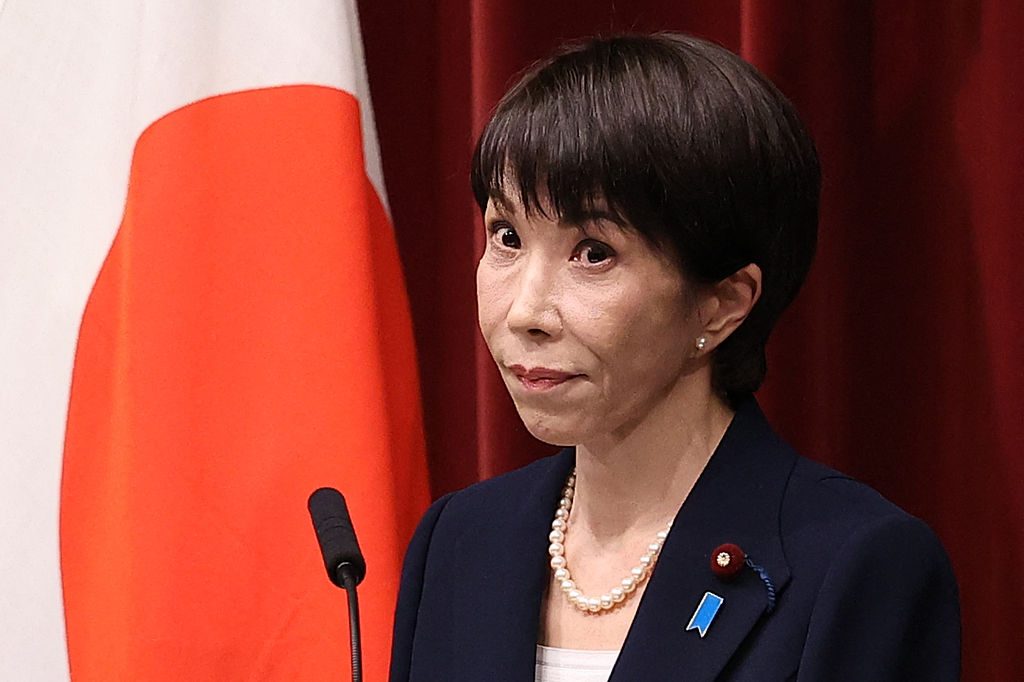
Long-dated Japanese bond yields rocketed yesterday, reaching over 4% for the first time since they were introduced in 2007 — and this in the world’s most indebted country. The volatility is causing palpitations amongst traders, businesspeople, and policymakers, as well as pushing up borrowing costs around the world. The sharp uptick is being blamed on uncertainty ahead of the snap 8 February general election called by Prime Minister Sanae Takaichi on Monday.
Takaichi has promised both tax cuts and boosted spending should she increase her now wafer-thin majority. She has only given bare-bones details of a 21-trillion-yen (£100 billion) stimulus package, and there is confusion as to what degree of fiscal discipline would apply in a fully autonomous Takaichi administration. Inevitably for someone who styles herself on Margaret Thatcher, sceptics have held up Liz Truss as a more accurate British analogue — even if that is harsh on the latter, who has always fiercely refuted her reputation as a “crasher” of the economy.
But there remains real worry that Takaichi is leading the country into very dangerous waters. Her impressively high approval ratings seem to be more down to the novelty of a dynamic and refreshingly different sort of leader than any serious assessment of her competence. Extravagant promises on the economy — including a pledge to suspend the 8% sales tax on food for two years, expected to cost 5 trillion yen a year — has seriously tested market confidence and sent tremors through the global economy.
With debt around 230% of GDP, any hint of increased government spending without a serious explanation of how it will be costed is perilous. And not only for Japan: the ripples emanating from Tokyo have already reached the US, where 30-year Treasury yields have ticked up to their highest rate since September.
The continued dismal performance of the yen despite all the talk of fiscal stimulus is being taken as clear evidence of a loss of confidence globally in what was once a “safe haven” currency. There is even talk, in the worst-case scenario, that Japan may have to impose severe fiscal discipline at home and repatriate a large chunk of its estimated $3.4 trillion of overseas assets, reinforcing a “firesale of global assets” which would lead to skyrocketing borrowing costs and potentially crash the debt markets.
In order to reassure the markets, Takaichi has vowed to bring down the debt-to-GDP ratio without issuing more government bonds. What the demoralised Japanese people make of it all is hard to gauge. Most people are more concerned about rising inflation — an almost alien concept in Japan until recent years. Prices are rising, wages aren’t, and the yen is getting weaker by the month. The doubling in the price of rice last year, coinciding with the Trump tariff imbroglio, was a traumatising event.
However, if Takaichi’s snap election gambit comes off and she is returned with an increased majority, there are several possibilities for what comes next. The first is that she implements her ambitious plans, confounds the doom-mongers and revitalises the economy. Or the doom-mongers are right and she ends up blamed for a fiscal calamity that may metastasise around the world.
Alternatively, Takaichi may simply renege on her plans, or have those plans reneged on by others. Japan’s system of “shadow shoguns” may assert itself once more. Her plans will be watered down and it will be business as usual. We will be spared a Tokyo-centred global financial crash, but Japan’s steady economic decline will continue. One corollary is that the Japanese people’s intense cynicism with politics will only be redoubled. At this point, the optimistic scenario seems the least likely.

Join the discussion
Join like minded readers that support our journalism by becoming a paid subscriber
To join the discussion in the comments, become a paid subscriber.
Join like minded readers that support our journalism, read unlimited articles and enjoy other subscriber-only benefits.
Subscribe