








17 March 2026 - 7:00am
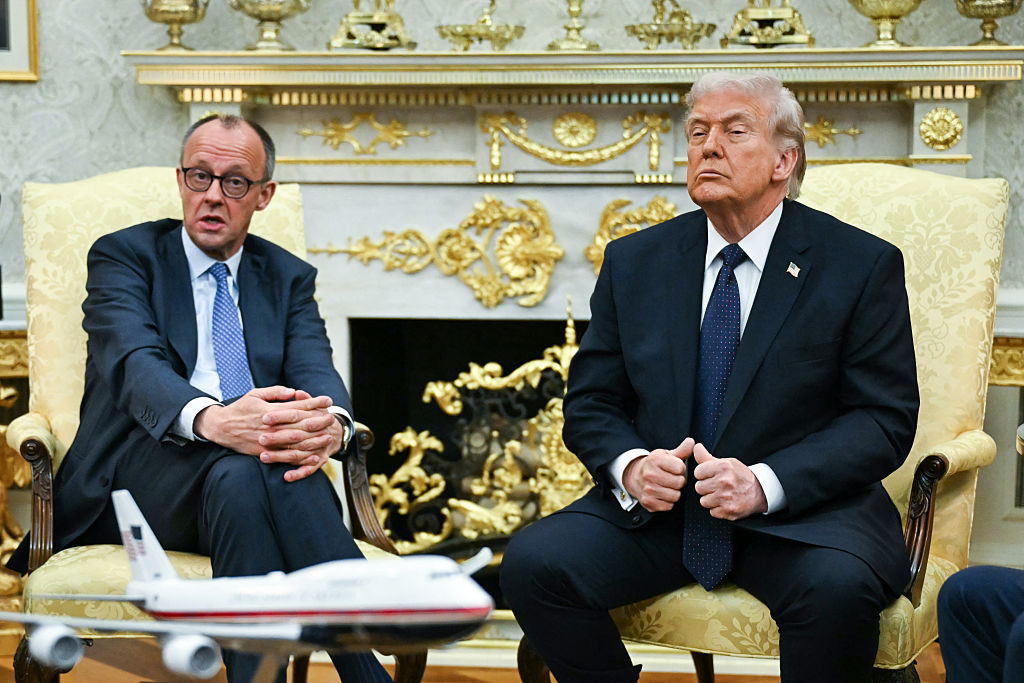
The German government’s response to Donald Trump’s assertion that Nato allies face “a very bad future” if they do not intervene in the Strait of Hormuz was blunt. “This war has nothing to do with Nato,” said a spokesperson for Chancellor Friedrich Merz on Monday. “It’s not Nato’s war. Nato is an alliance to defend the alliance area.” Merz’s Defence Minister Boris Pistorius, meanwhile, repeatedly asserted that Germany has no responsibility to intervene because it “did not start this war”.
Leaders across Europe are closing ranks — not behind a shared Nato military agenda, but against calls from their ally and longtime protector to engage in military intervention to reopen and protect the Strait. Trump’s predicament highlights growing uncertainty over the responsibilities of Nato members and the role of the alliance in global affairs, while reinforcing increasingly negative perceptions of Nato on both sides of the Atlantic.
Trump is laying the groundwork for blaming the dire economic consequences of a prolonged halt to shipping on his European allies. In this, at least, he can claim consistency with long-held MAGA criticisms of Europeans as Nato freeloaders. “It’s only appropriate that people who are the beneficiaries of the Strait will help to make sure that nothing bad happens there,” the President said, adding that “if there’s no response or a negative response, I think it will be very bad for the future of Nato.”
White House spokeswoman Karoline Leavitt justified calls for allied intervention on similar grounds, arguing that “these other countries are benefitting greatly from the United States military taking out the threat of Iran.” In this context, pledges from leaders such as Keir Starmer to “stand firm” against pressure to join the war will stoke long-running US resentment over “bailing out Europe again”, as JD Vance famously put it last year.
Trump expressed this same resentment against the UK specifically on Monday afternoon, saying he was “very surprised with the United Kingdom […] We’ve been with you. You’re our oldest ally, and we spend a lot of money on Nato and all these things to protect you.” He added that “we don’t need to work with them on Ukraine […] I think it’s terrible.”
The situation is compounded by US suspicions over the protectionist nature of European attempts to boost defence spending, as well as anger over evidence that some EU countries are still making insufficient effort to boost spending in line with new Nato commitments. “No excuses, no opt-outs,” warned the US ambassador to the Czech Republic last week, in response to the country’s new budget that still fails to hit even the old 2% mark.
Yet across the Atlantic, European perceptions of Nato, which took a drastic hit over Trump’s Greenland rhetoric, are also plumbing new depths. Leaders such as Merz may feel some schadenfreude in rejecting Trump’s calls for help, given the US administration’s long-held insistence that Washington should no longer be the arbiter of European security. If Trump rejects American responsibility to lead the alliance, the thinking goes, he should not be surprised if Europe refuses to follow him when called.
However, these mutually reinforcing negative perceptions — Washington’s conviction that Europeans remain freeloaders, and European leaders’ increasingly open scepticism of American Nato leadership — constitute an existential threat to the alliance. Nato’s effectiveness rests upon its strength, but when it comes to the all-important Article 5 commitment, perceived unity is even more crucial.
As Trump stews in resentment against his allies, and as European leaders congratulate themselves on not bowing to pressure, Nato’s enemies cannot but question Article 5. Bitter relations between allies, coupled with members’ refusal to support wars they “did not start”, raise an important question: how watertight would the alliance’s collective defence commitments prove to be if faced with a real test?
Join the discussion
Join like minded readers that support our journalism by becoming a paid subscriber
To join the discussion in the comments, become a paid subscriber.
Join like minded readers that support our journalism, read unlimited articles and enjoy other subscriber-only benefits.
Subscribe