








19 March 2026 - 7:00am
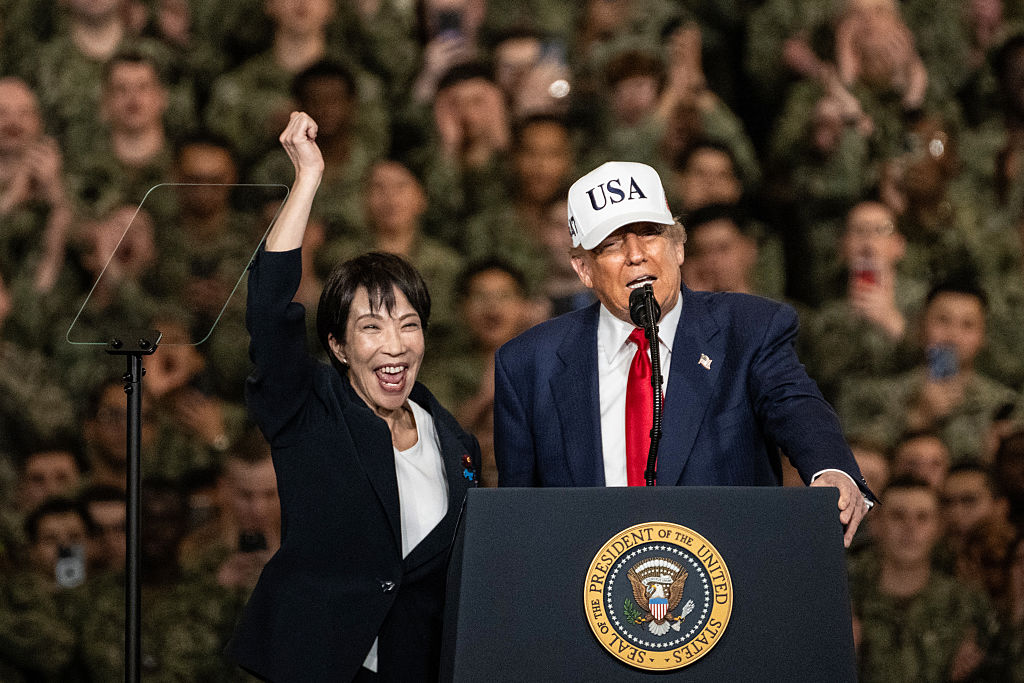
When she arrives in Washington today, Japanese Prime Minister Sanae Takaichi will become the first world leader to meet President Donald Trump since the Iran war began. The last time the two met was a highly choreographed love-in at Yokosuka Naval Base in October. But things will be more difficult this time.
While the agenda was supposed to be broad, covering security and trade issues, we all know what the dominant topic will now be. Takaichi will be relieved that the mercurial Trump has abandoned his demand that allies contribute to a “team effort” to keep open the Strait of Hormuz. Instead, he is likely to seek Takaichi’s endorsement for the war and perhaps Japanese participation in a “maritime task force”. The exact role of this unit is so far undefined, but it would not involve military action. Takaichi hasn’t committed or expressed a strong position on the conflict, but has said she will be “candid” with the President.
The Japanese PM is in an extremely challenging position when it comes to Iran. Japan is the world’s fifth-largest importer of oil; 75% of its supply comes from the Middle East, and 70% transits through the Strait. The weak yen and spiralling import bill leave Japan especially vulnerable to an energy crisis. What makes things worse is that Takaichi is bound by manifesto promises to boost the economy through an ambitious stimulus package and alleviate cost-of-living concerns. The Iran war has the potential to bankrupt an already struggling economy.
Even if Takaichi had wanted to help militarily, which would likely have consisted of the deployment of minesweepers or escort vessels, she has limited room for manoeuvre. She plans to enact constitutional amendments which would reshape Japan’s foreign policy. But until those are passed — if they ever are — Japan can only use force in certain carefully defined circumstances, such as a “survival-threatening situation”. Whether the Iran conflict qualifies is up for debate.
The problem for Takaichi is that Iran doesn’t loom large in the Japanese imagination. According to opinion polls, the public is solidly against the war, and there appears to be no direct threat to Japanese nationals. Several elder statesmen, such as Takaichi’s predecessor Shigeru Ishiba, have cast doubt on the legality of any Japanese military involvement in the war.
Japan could still be of use. Relations between Tehran and Tokyo have traditionally been good, and there are channels of communication that Trump could tap into. Foreign Minister Toshimitsu Motegi held a 30-minute phone call with Iran’s top diplomat, Abbas Araghchi, on Tuesday. Motegi apparently “strongly urged” his counterpart to cease attacks on Gulf states and work towards normalising the situation in the Strait of Hormuz.
The difficulty for Takaichi is that she will be wary of incurring America’s wrath. With Trump due in Beijing on 31 March, she probably hoped that her meeting with the President would allow them to consolidate a strategy on Taiwan. Then there is the ongoing question of tariffs: Japan won a partial reprieve last July, but the issue is still delicate.
Takaichi has to stay in Trump’s good books, and doing so will severely test her diplomatic skills. There will be no repeat of Yokosuka, but an offer of diplomatic help should be taken seriously by Washington and could offer the Japanese Prime Minister valuable leverage. The balance of power in the US-Japan relationship may just have shifted slightly.

Join the discussion
Join like minded readers that support our journalism by becoming a paid subscriber
To join the discussion in the comments, become a paid subscriber.
Join like minded readers that support our journalism, read unlimited articles and enjoy other subscriber-only benefits.
Subscribe