








3 March 2026 - 4:00pm
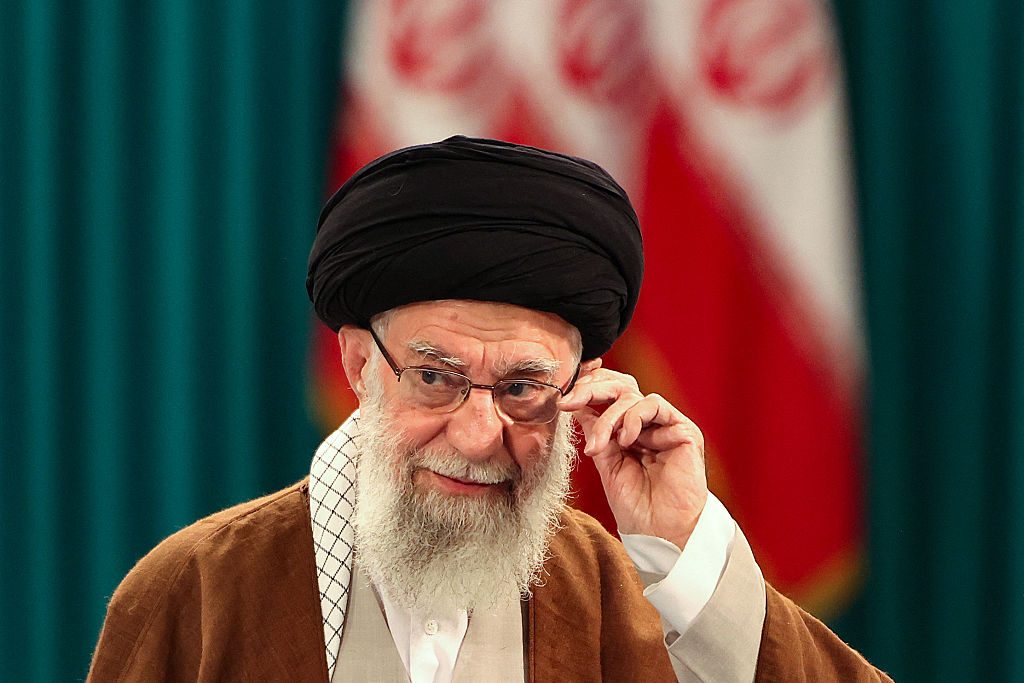
Ayatollah Ali Khamenei is dead, and the obituary columns are full of him. They apparently leave many readers unhappy. Far too soft, some say, for a man who directly ordered the killing of tens of thousands of his own people: ordinary citizens who only wanted change, freedom and help to survive. Why not give the man both barrels, since he showed no mercy to others?
Writing the obituary of a bad person is always tricky. Some would argue that they should not be memorialised at all, but instead passed over and forgotten, just as their statues might be pulled down and reduced to rubble. This implies, however, that an obituary is a mark of esteem granted only to good and worthy candidates. Britain took this view until near the end of the 20th century; Americans, by and large, still do. But if every obituarist adhered to that then, let’s face it, numberless members of the human race would be disqualified. And almost every human being, if looked at more closely, may have a fascinating story to tell.
The stories of the bad — especially those who had a traumatic effect on the world — are more fascinating than most. We can certainly give them both barrels, or we can try to see matters as they did. This is not to exonerate them, but rather to try and fathom their thinking. Not our voice, but theirs, which won’t be heard live again. In every case I’ve experienced, the subjects — though given air-time — also don’t fail to hang themselves with their own rope.
In 2011, I wrote an obituary of Osama bin Laden for The Economist. There was no question of ignoring him, but it brought fury from American readers. First, some felt that because he had directly ordered the killing of thousands of Americans in the 9/11 attacks he should not have been dignified with an obituary at all. But my obituary also provoked rage because I had mentioned that he liked to eat yoghurt with honey, take his children to the beach, and ride through the forest on a white horse on Fridays in imitation of the Prophet. I had humanised someone who was inhuman. Critics seemed to overlook my mention, higher up in the piece, that bin Laden said he was never so happy as when he saw people leaping from the towers. The callous brutality and the domestic ordinariness could both be seen, contrasted and puzzled over. I also believe there is no such thing as a totally good or a totally bad human being.
In Khamenei’s case, too, the slaughters he ordered went alongside a contented marriage, six children, enjoyment of great European writers and the poetry of Hafez. For years he did dogged work as a low-level cleric, and was considered so meek and mild that he was sent by the mullahs in 1980 to wish the American hostages a happy Christmas. Is it soft to mention these things? I don’t think so. They don’t excuse anything he did, but they complicate the picture. It becomes more interesting. In particular, they show how a man who genuinely felt himself unqualified could instantly change his mind; how once appointed as ayatollah, vested with divine authority, he became a dictator, issuing his own fatwas, almost overnight. They show how quickly and irrevocably people can take on power, if it is offered.
Withering, definitive judgements have their place, but they belong in the editorial columns. In obituaries the subjects are the theme, and should have more of a voice. Their unique stories, their unique spirits, need catching, however awful they have been. We will never see their exact like, or hear their exact voice, again.
Join the discussion
Join like minded readers that support our journalism by becoming a paid subscriber
To join the discussion in the comments, become a paid subscriber.
Join like minded readers that support our journalism, read unlimited articles and enjoy other subscriber-only benefits.
Subscribe