









February 23 2026 - 7:00am
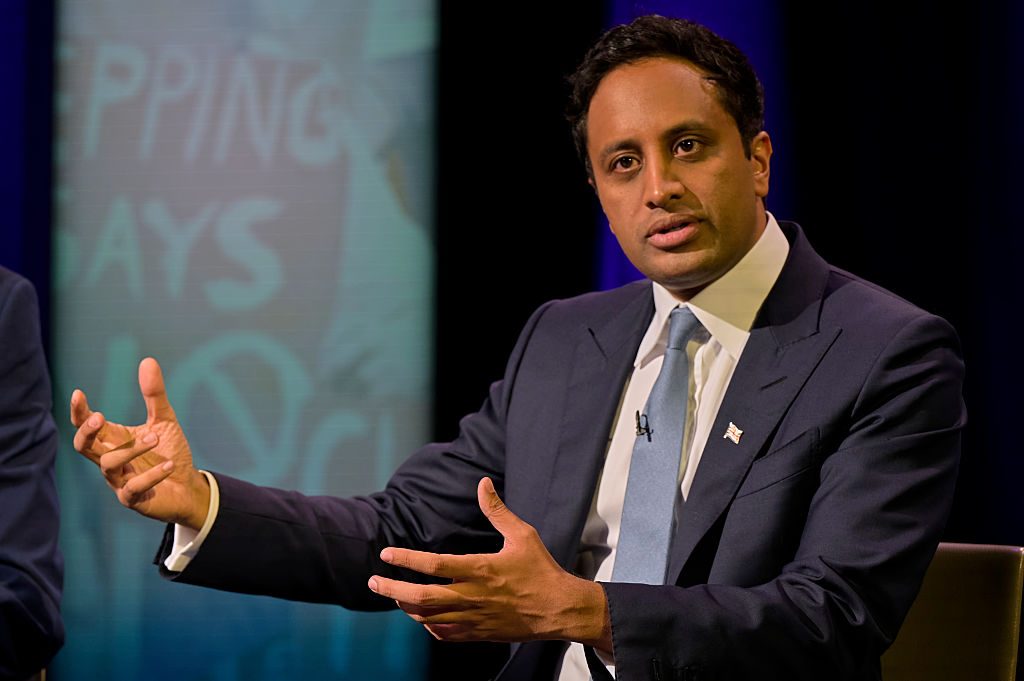
Zia Yusuf, Reform UK’s new “Shadow Home Secretary”, will today set out the party’s proposal for “a radical overhaul of Britain’s immigration, policing, and national security frameworks”. Among familiar promises to liberate police forces from DEI policies and increase stop-and-search powers, Yusuf also plans to significantly alter the controversial counterterrorism program Prevent, reiterating a commitment to combat Islamist extremism.
Prevent has frequently been criticized for concentrating on the Home Office’s obsession with far-Right extremism and incels, rather than the more pressing threat of lone-wolf Islamic terrorists. Reform claims it will realign Prevent with MI5’s priorities, which overwhelmingly concern Islamic terrorism.
This seems uncontroversial. Much of Yusuf’s announcement channels the Shawcross Review of the Prevent program, commissioned by the last Tory government but subsequently watered down by Home Office mandarins. However, should Reform be accused of policy theft, it should accept the charge gladly: Shawcross was an opportunity squandered by a hostile Civil Service. The UK’s most compelling domestic extremism threat emanates from Islamic extremism, yet Prevent has disappeared down politically expedient rabbit holes.
Reform, unsurprisingly, identifies “diversity training” as the issue hobbling Prevent, as if scrapping DEI instructors is a silver bullet guaranteed to improve service delivery. This ignores the full extent of institutional capture in police forces and the Civil Service, which will be heavily resistant to policies it considers racist or otherwise prejudiced. Those who oppose will no doubt cite an abundance of Blair-era legislation and “accredited professional practice” in doing so.
What’s more, police forces began subcontracting domestic extremism intelligence and management to the Civil Service and local authorities after the 7/7 bombings in 2005. This has led to what critics describe as a “social work” focus on issues around political violence. Hard-pressed forces, themselves no strangers to progressive dogma, happily acquiesced. Reform’s bald assertion that Prevent can be so easily repurposed therefore seems, at best, optimistic.
Other proposals from Yusuf appear more straightforward, such as refocusing Prevent into a more interventionist body and proscribing both the Islamic Revolutionary Guards Corps and the Muslim Brotherhood. The Brotherhood, in particular, has inveigled its way into British political and civic life in a manner that would have made the Soviet KGB blush. The policy also allows Reform to introduce clear water between Labour and moderate Tories — both of whom tiptoed around banning the two organisations.
Labour is acutely aware of the electoral arithmetic around any perceived offence to the Muslim community, especially with an insurgent Green Party nipping at its heels. However, Reform’s mooted plans to introduce the rule that three Prevent referrals should lead to mandatory home searches is naive, considering the legal, ethical and procedural issues this poses. The general thrust of the policy may have merit, but in this instance optics have triumphed over operational reality. A bolder policy offer might have been to scrap Prevent altogether, returning domestic extremism matters to the police. Instead, one might argue Reform is demonstrating political maturity by signaling an intention to work within existing structures rather than enter government with a wrecking ball. The key question is: will the Civil Service reciprocate? Its new boss, Antonia Romeo, who recently ran the Home Office, is reported to be a strident champion of progressive causes.
Reform UK is trying to appeal to aggrieved voters while placating the machinery of the state — culture-war red meat with an intention not to upset too many apple carts in the process. Yusuf is right to suggest Prevent isn’t working, but it is no easy thing to fix.