








7 February 2026 - 8:00am
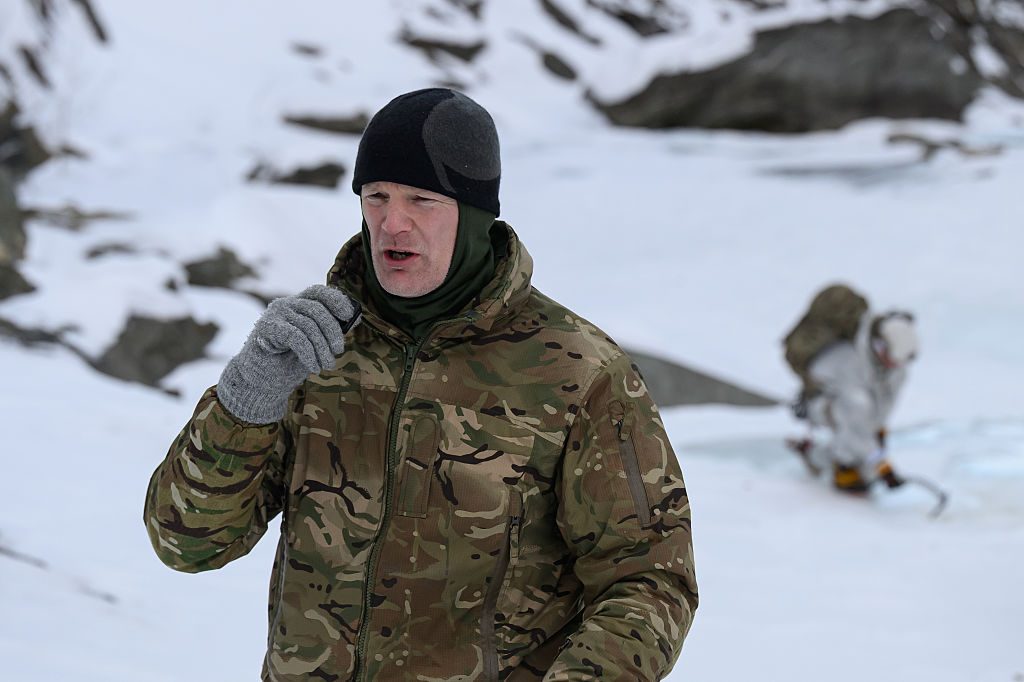
In amongst its fluctuating national kinks and neuroses, one thing remains constant: Britain loves a man in uniform. There is no greater evidence of patriotism, sense of duty, and a calm head under pressure than having served in the military. This weakness for warriors extends to the world of politics: the likes of Tobias Ellwood and Dan Jarvis have been talked up for the top jobs in their parties as much because of their army backgrounds as any positions they hold on policy. Now, as the Mandelson scandal threatens to bring down Keir Starmer, junior Defence minister and ex-serviceman Al Carns has been tipped by the press as a dark-horse candidate to succeed the Prime Minister.
Carns certainly has a distinguished military record. He reached the rank of colonel, was mentioned in dispatches for his service in Afghanistan, and received the Military Cross. He’s the most-decorated soldier to enter the House of Commons since the Second World War. In the view of Financial Times writer Stephen Bush, Carns “has the most impressive [pre-politics] CV of any new Labour MP” since Starmer himself a decade ago. For one particularly excitable party colleague, who nonetheless didn’t want to put their name to the panegyric, he “would be the most impressive leader this country has ever had”.
But he is a new Labour MP. Elected in 2024, Carns has never held senior ministerial office. In any leadership contest, he would need the backing of 20% of his colleagues — over 80 MPs. Supporters have played up his experience in national security, and how this sets him apart from leadership rivals at a time of global instability, but most of his views remain opaque. Since entering the Commons, he has never voted against his party.
That apparent loyalty chimes with why Britons might want a military veteran in Number 10. Army service naturally connotes subordination to a greater cause, as opposed to the charge of careerism so often chucked at politicians. Leadership vacuum? Lack of backbone? Poor crisis management? If in doubt, call in the army. Set alongside the saurian spinners and New Labour dauphins populating Starmer’s party, Carns, who isn’t part of an obvious faction, might appear an attractive option.
Leaders line up for martial photo ops, whether it’s Keir in khaki or Maggie in a tank. Lantern-jawed and acceptably jacked, Carns would at least look more convincing hanging out with squaddies than Rishi Sunak ever did. When he first stood to be Tory leader in 2022, Tom Tugendhat — formerly Lieutenant colonel Tugendhat — was widely mocked for his catchphrase “I’m ready to serve”, yet service remains a valued quality for a prospective PM. In a time of declining trust in institutions, public support for the military is a rare exception, with a majority of Britons backing more spending on the army.
Some political betting now has Carns, improbably, as Labour’s fourth most likely next leader, behind only Wes Streeting, Angela Rayner and Ed Miliband. He has taken smart steps in communicating his leadership ambitions via well-placed “allies”, rather than saying anything mutinous himself. Yet the clamour for a fresh face at the head of the party overlooks just how much of an unknown quantity he is. Even the Duke of Wellington didn’t march straight from Waterloo to Downing Street, having been an MP in both the Irish and Westminster parliaments and served as Chief Secretary for Ireland before he bested Napoleon. Perhaps Carns is future leadership material. Just not yet.

Join the discussion
Join like minded readers that support our journalism by becoming a paid subscriber
To join the discussion in the comments, become a paid subscriber.
Join like minded readers that support our journalism, read unlimited articles and enjoy other subscriber-only benefits.
Subscribe