









February 3 2026 - 3:45pm
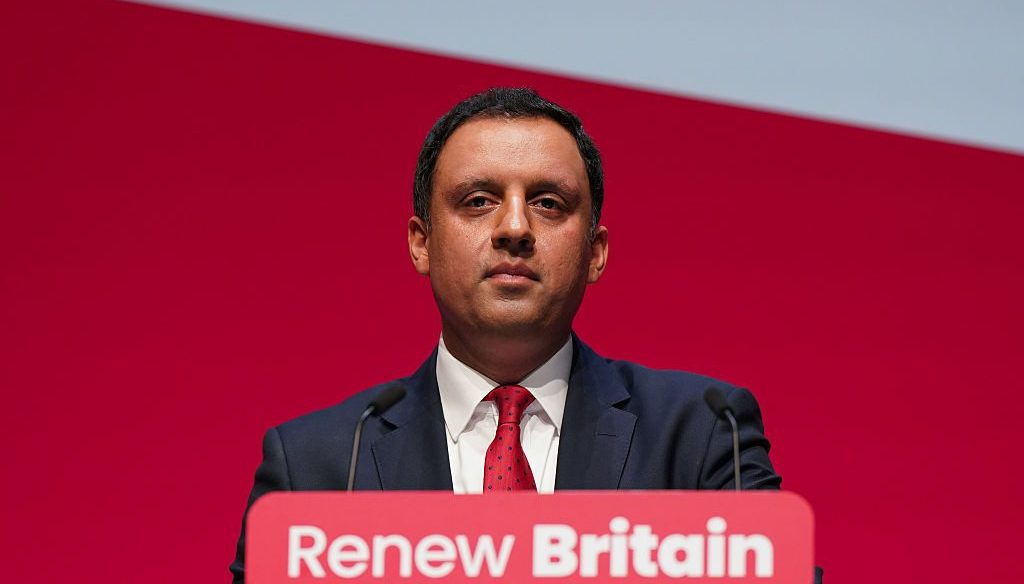
Scottish Labour leader Anas Sarwar doesn’t think trans-identified men should be housed in women’s prisons. If Labour forms the next government in Scotland, one of his first acts will be to ban trans women from the female estate. He says it will happen “within days” if he becomes first minister after the elections in May.
Good news, surely? Sarwar now insists that single-sex spaces must be defended in services, sport and everyday life. “But nowhere does this matter more than in our prison system,” he says. “Women’s prisons exist for a reason — to keep women safe.”
All of this is true. It was also true in 2022 when Sarwar whipped Labour MSPs to vote for a bill to allow self-ID in Scotland, resulting in two members of his frontbench team losing their jobs. He has since offered all sorts of excuses, saying “mistakes were made” but refusing to apologize for his support of the Gender Recognition Reform bill.
His latest statement on prisons is in effect cost-free, because no one expects him to become first minister while support for Scottish Labour is polling at 15%. But Sarwar’s behavior is typical of politicians who eagerly went along with a policy based on nonsensical claims about the “vulnerability” of a tiny group of people who wanted to ride roughshod over women’s rights.
Just over three years ago, female prisoners in Scotland needed as much protection from male inmates as they do now, but the Scottish National Party, Greens and Labour didn’t care about that. They voted to allow children aged 16 to change their legal gender and to force institutions, including prisons, to accept men’s claims that they were women.
These people could, of course, tell the truth. They could admit that they ignored warnings about the disastrous impact of the proposed legislation on women and girls, and apologize for the error. Their refusal to do that is one of many reasons why politicians are held in so little respect right across the UK, where the public has woken up to find a society transformed by the demands of trans activists.
Men in women’s changing rooms; boys in girls’ toilets; Britons being disciplined for refusing to use “preferred pronouns”; female players put at risk by bigger, stronger men on sports fields. Prisons are at the sharp end of these entirely unprincipled policies, as Sarwar appears to have realized. But he hasn’t given any indication of when, in the unlikely event that Scottish Labour becomes the next government, he would deal with the rest of it. When would all these perverse outcomes be reversed under a Labour administration at Holyrood?
The timing of Sarwar’s announcement is telling. This week, the Scottish government is in court defending a case brought by For Women Scotland, which claims that current prisons policy on transgender inmates is unlawful. Scottish Labour’s defense of the rights of women prisoners puts it on the same side as FWS, making Sarwar look like a good guy compared to the doctrinaire First Minister, John Swinney.
Politicians hate admitting they were wrong. “The Supreme Court is clear,” Sarwar says now, as though the situation was awfully confusing before the judgment last April. It wasn’t, either in law or reality. Party leaders who recklessly prioritized the rights of trans-identified males over the safety of women shouldn’t be surprised if we distrust their change of heart.
Joan Smith is a novelist and columnist. She was previously Chair of the Mayor of London’s Violence Against Women and Girls Board, and is on the advisory group for Sex Matters. Her book Unfortunately, She Was A Nymphomaniac: A New History of Rome’s Imperial Women was published in November 2024.
 polblonde