









December 21 2025 - 7:00pm
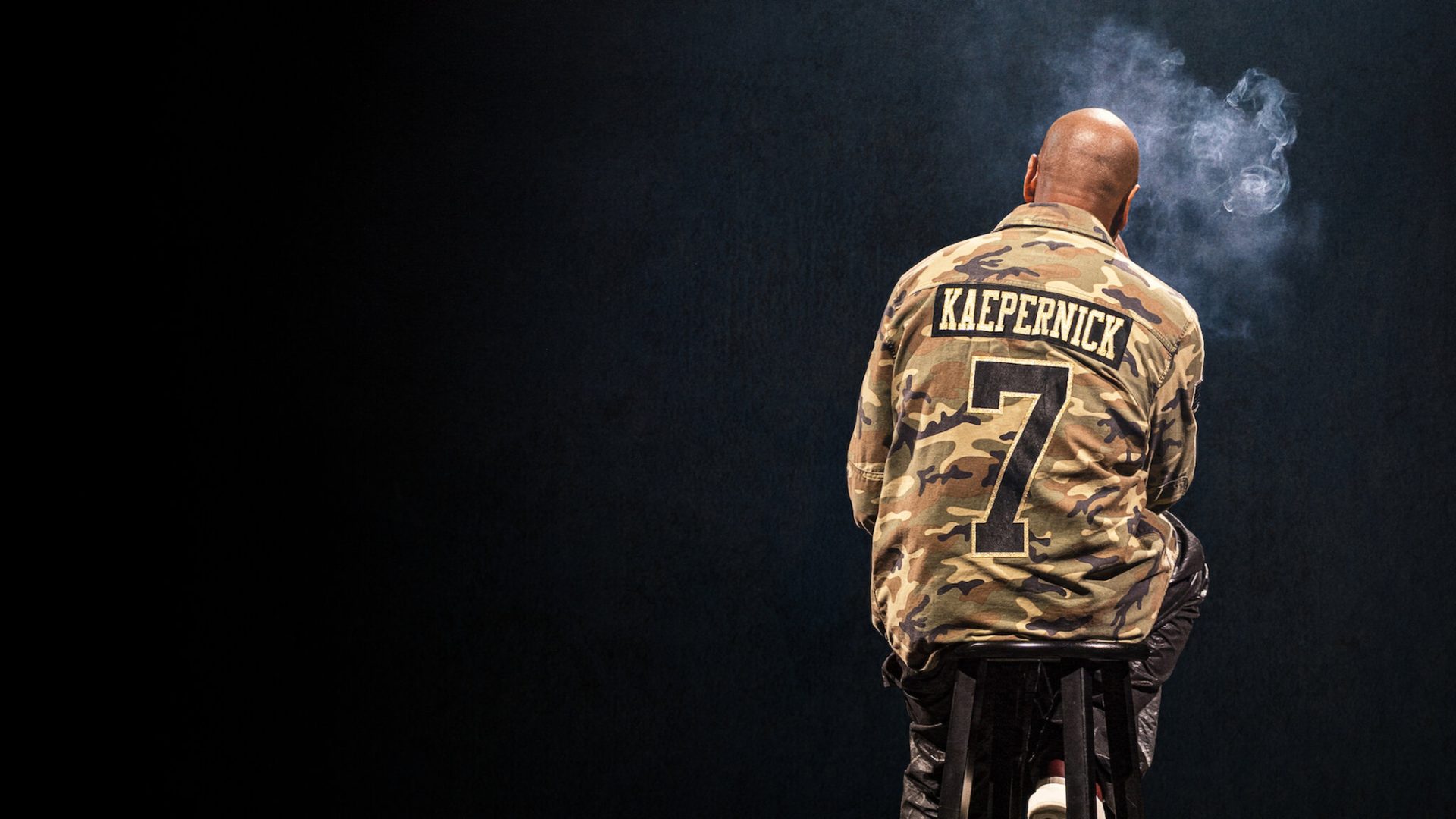
Dave Chappelle surprised many on Friday with the release of The Unstoppable…, a 75-minute Netflix special filmed in his hometown of Washington, DC. Those who sat through The Closer (2021) and The Dreamer (2023) might be forgiven for expecting another hour-plus of amusingly anti-woke transgender material. What they got instead was Chappelle near his absolute peak best: sharp, sprawling, and willing to pick fights with whoever holds power, which in this case was Trump.
To that end, Chappelle revisited territory from his January 2025 Saturday Night Live monologue, where he told Trump that “the presidency is no place for petty people.” In the special, he criticized Trump’s deployment of the National Guard to American cities, including DC, and lamented how the military presence changed the character of what he calls “Chocolate City”. He also devoted considerable attention to the assassination of Charlie Kirk, rejecting comparisons made by some fans between Kirk and Martin Luther King Jr: “They both got shot in the neck,” Chappelle said. “But that’s about where those similarities end.”
American satire of the sort practiced by Chappelle has always tracked power, and for most of the past decade, that power resided with progressive cultural institutions. Chappelle spent the past five years attacking trans orthodoxy, cancel culture, and the smugness of the professional-managerial class. So did a select group of others like Trey Parker and Matt Stone, whose South Park mocked diversity casting, Covid protocols, and liberal sanctimony.
But the balance of power has shifted. The current moment resembles the Nineties and early 2000s, when the Right dominated American politics. During that era, satirists targeted Republican excess: South Park skewered religious conservatives, and The Daily Show built a vast audience mocking Fox News.
After years of targeting liberal pieties, Parker and Stone have redirected their fire towards the new regime. South Park’s latest season features JD Vance applying baby oil to Satan, Kristi Noem shooting puppies, and Trump’s AI-generated anatomy at Mar-a-Lago. The consistency lies not in ideology — Chappelle’s has never been entirely clear — but in methodology: whoever runs the show gets roasted.
Run-of-the-mill comedians who merely validate their audience’s existing beliefs are entertainers, not critics. Jon Stewart and Jimmy Kimmel still lecture liberals. Shane Gillis tells jokes and sells beer to conservatives. Most cannot truly risk alienating their core audience by targeting their own tribe’s sacred cows. But Chappelle, like Parker and Stone, shared something beyond a willingness to offend. They understand that satire’s purpose is to challenge authority, not to comfort the comfortable.
The GOP, for its part, squandered a brief opportunity to make itself something more than a target for this satirical skewering. Trump’s victory offered a chance for magnanimity, for the kind of national reconciliation that winners occasionally extend to losers. Instead of moving on from the past, the administration chose to mock and persecute its rivals, right down to comical plaques denigrating past presidents. Invariably, comedians like Chappelle responded.
Yet Chappelle remains an equal-opportunity offender, still finding ways to tweak the liberal scolds who tried to cancel him in years past. The special includes a defense of his performance at the Riyadh Comedy Festival, where he tells Bill Maher to go “f*** himself” for criticizing the gig. He also reminds us that his transgender jokes went over well in Saudi Arabia and that it’s “easier to talk there than in America.” He said he’ll gladly take Saudi money “just so I can say no over here.”
The special fittingly closes with Chappelle offering a code word to signal if he’s ever been compromised: “I stand with Israel.” The joke works because it acknowledges the one truly dangerous position for an entertainer to take. Deep down, everyone has something they cannot say. But Chappelle, at least, is saying more than he has in years — still outside America’s glass house, throwing stones at the bigwigs inside.
Oliver Bateman is a historian and journalist based in Pittsburgh. He blogs, vlogs, and podcasts at his Substack, Oliver Bateman Does the Work
 MoustacheClubUS