









February 4 2026 - 10:00am
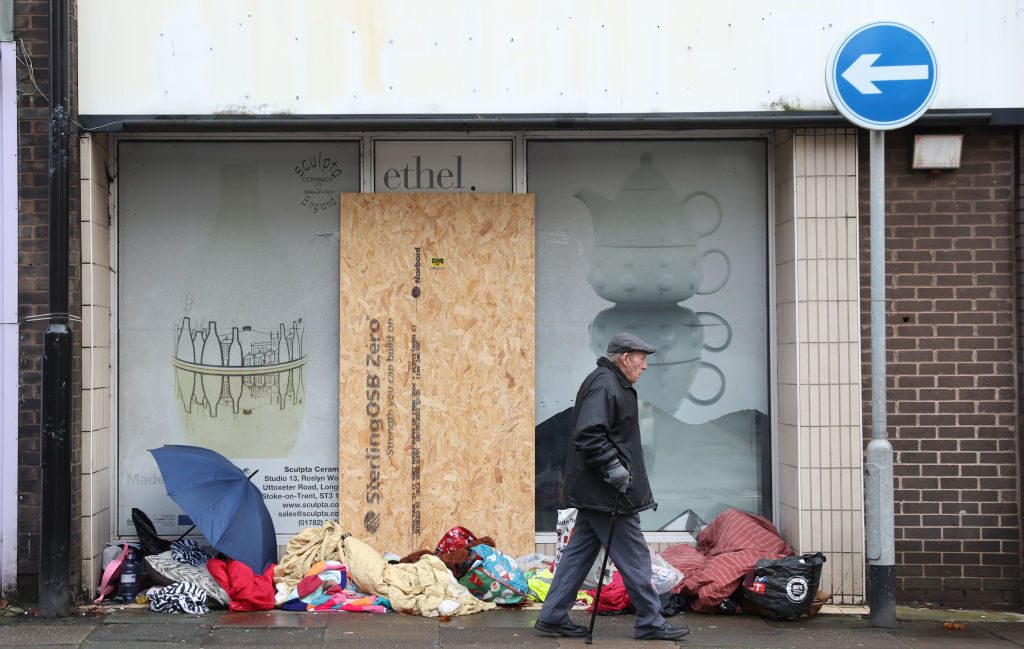
One might be forgiven for thinking there were make-or-break local elections this year, as the Government announced a “£150 million cash injection” at the weekend to revive local high streets and tackle the blight of boarded-up shops.
Since at least the 2008 financial crisis, the state of British high streets has become a periodic source of panic in Government and the media. There’s been the Portas Review, the High Street Report, and the Grimsey Review. Add the Future High Streets Fund, Leveling Up Funds and many other programs concentrating on the high street. The new High Street Strategy joins that long list.
This trend is unsurprising. The high street comes up repeatedly in polling and focus groups as one of the things that voters most associate with the decline of their local areas. But this doesn’t mean it can be tackled through a high-street fund.
High streets are dying in part because of a lack of purchasing power to sustain them. In November 2007 real average earnings, in today’s money, were £517 per week. In November 2025, they were £531 per week, an annual increase of 0.14% over the past 19 years.
At the same time, the cost of operating a high-street business has risen considerably, particularly due to increasing energy bills and business rates. Higher costs in the shops means higher prices, but wages in real terms for Brits have not grown enough to absorb them. This results in less business to go around, and inevitably businesses close.
Visit any part of the UK with a thriving high street and it is usually because the area has a strong local economy, with large numbers of well-paid jobs. London, the one part of the country to buck the collapse in the high street, is a case in point. Policymakers know this, but it is cheaper to spend a few million pounds on high-street funding than it is to invest tens of billions of pounds on regional programs which seek to fix the fundamental problems.
Meanwhile, for most of their history, high streets have been dominated by small independent shops and family businesses, with the occasional local chain. That’s because trading is a tough unpredictable business and the margins are low. Unfortunately, politicians are chasing a model of high streets which emerged in the Sixties and peaked in the 2000s, with big chain shops and businesses interested in extracting profit from a period of high wage growth.
But when you are only interested in profits, rather than having roots in the local community, the country’s choppy economic state won’t keep you around. When economic downturn hit, businesses sold up or moved away, often forced to close due to over-leveraged debt-based models to maximize profitability. The knock-on impact is that their closure reduces footfall for other businesses and drags the rest of the high street down with them.
There is perhaps a less controllable third factor which lingers under the surface: the boom in online shopping. In light of soaring rents and stiff competition, small businesses often save much-needed money by staying off the high street and being run from home.
Britain cannot simply prop up the failing model of the high street it has now. The country needs to transition towards more independent, family and community-owned businesses through tax reliefs and grants. Community shops, for example, have a 94% survival rate and community pubs are opening at a time when most other pub forms are closing. Family businesses also showed higher levels of resilience during the pandemic. Britain’s high streets are simply the symptom of a wider economic model which has broken down. Until politicians are prepared to make major changes, the country is doomed to regular announcements on the need to save the high street.
Andrew O’Brien is the former Director of Policy at the think tank Demos and currently Head of Secretariat of the Independent Commission on Neighbourhoods. He writes in a personal capacity.
 ADOBrien88