








December 30, 2025 - 6:30pm
The United States has taken a significant, if largely symbolic, escalatory step in its military campaign against drug cartels operating from Venezuelan territory.
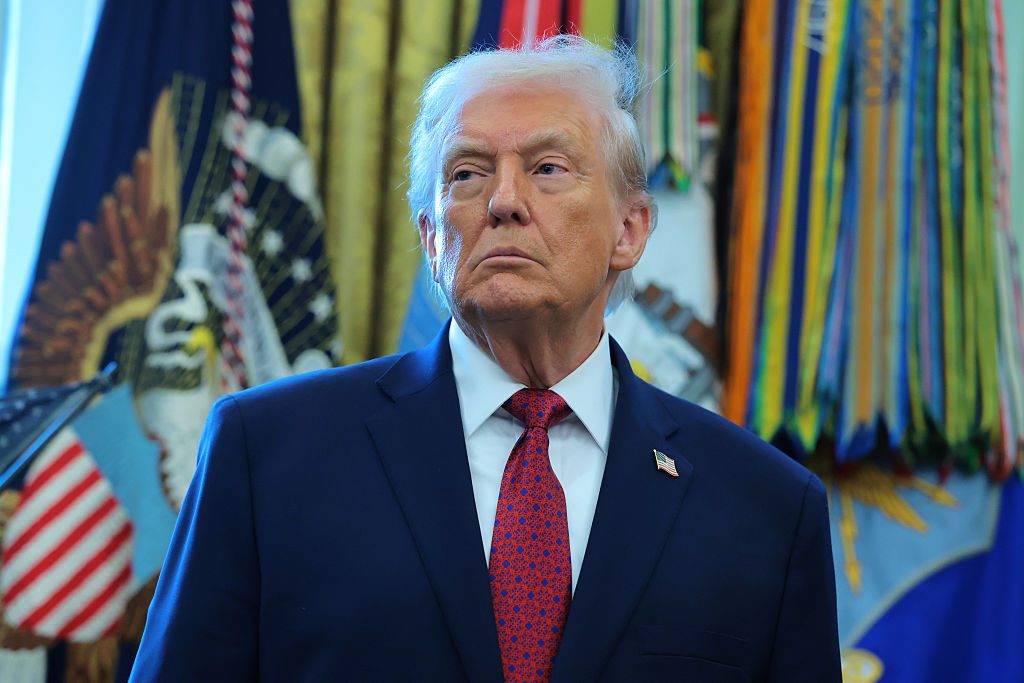
President Donald Trump yesterday confirmed that the US has carried out what would be the first disclosed attack against a cartel facility on Venezuelan soil. Speaking from Mar-a-Lago, he explained that “there was a major explosion in the dock area where they load the boats up with drugs,” adding: “We hit all the boats and now we hit the area. It’s the implementation area.”
Trump refused to comment when asked whether the CIA carried out the attack, though sources have now attributed responsibility to the Agency. The President has previously stated that he has authorised CIA covert action against President Nicolás Maduro and drug cartels operating in Venezuela. The US military has also carried out at least 29 strikes against cartel boats judged to be smuggling drug loads out of Venezuela and Colombia. More than 100 people have been killed in those strikes.
It is unclear exactly where the “dock area” Trump referenced is located. Nevertheless, this public declaration that the strike was carried out underlines his intention to make use of the strike for political purposes. He wants to show Americans that he is continuing to escalate his campaign against drug smugglers. In the same way, he wants Maduro and the cartels to recognise that his military campaign against them is gathering steam rather than remaining limited to strikes on boats at sea.
In this sense, Trump clearly wants to persuade those around Maduro to move against him out of fear that they will otherwise share his fate, an effort which will be galvanised by land strikes. After all, if a dock is vulnerable to such an attack, so too are the Venezuelan people and buildings. Trump will hope Maduro’s inability to retaliate without risking stronger American action further reinforces the sense of Venezuelan impotence.
Still, it’s important to note that the White House’s action remains cautious. The US military build-up around Venezuela still allows for far more robust action against the cartels and Maduro’s regime in future. Trump could have ordered the military to seize ports and airfields, or to launch amphibious landings, or to move against Maduro’s presidential palace. He has not done so.
In its own way, that tells us as much about America’s strategy as the dock strike. Clearly, Trump does not want a full-scale military conflagration with Maduro or the cartels. Were the US President content to pursue such a confrontation with the cartels alone, he would be taking more direct action against the cartels inside Venezuela and on a broader geographic basis.
Take Mexico’s Jalisco New Generation Cartel (CJNG), which smuggles far greater amounts of drugs into the US and is responsible for far more violence in America than either the Cartel of the Suns or Tren de Aragua from Venezuela. Yet, the CJNG is currently facing only slightly escalated Drug Enforcement Administration and CIA efforts against it. Though Trump has significantly increased intelligence collection operations against this and other cartels, he remains hesitant to roll the dice with escalation.
Ultimately, then, this dock strike should be seen as a calibrated effort to increase pressure on Maduro and the cartels. Trump is showing that land targets are now fair game. But an invasion or similar massive attack continues to appear unlikely. Instead, the White House remains patient, willing to slowly increase pressure until Maduro faces an internal challenge. The ensuing question is: what if, three months from now, an internal challenge remains absent? What does Trump do then?

Join the discussion
Join like minded readers that support our journalism by becoming a paid subscriber
To join the discussion in the comments, become a paid subscriber.
Join like minded readers that support our journalism, read unlimited articles and enjoy other subscriber-only benefits.
Subscribe