









August 20 2026 - 4:00pm
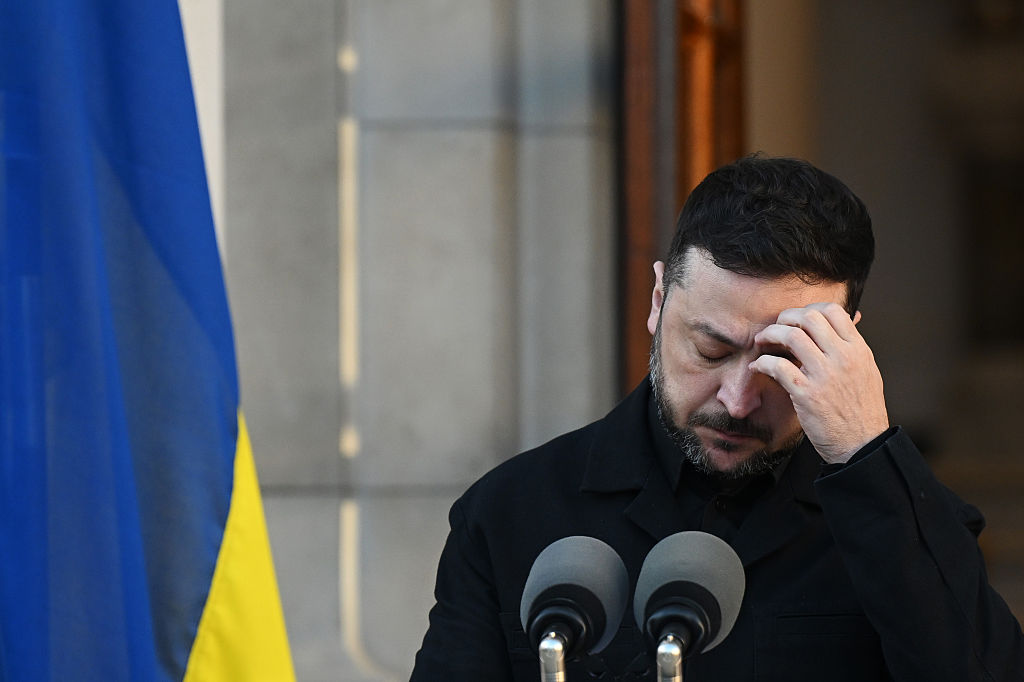
For over four years, Ukrainian President Volodymyr Zelensky has enjoyed nearly unchallenged domestic support as his nation rallied to resist Russia’s full-scale invasion. The honeymoon from domestic politics ended definitively on Tuesday, however, when former defense minister Mykhailo Fedorov released a video calling for new elections to be held before the war ends. Soon after the video was posted online, Ukraine’s anti-corruption organization NABU raided the office of a close Zelensky aide, who was then fired from her position, the latest presidential confidant to be embroiled by scandal.
Taken together, the picture is a worrisome one for Ukraine’s partners and its populace. Coming at a time when optimism about Ukraine’s military prospects was at its peak, these domestic political fractures already seem to have derailed the summer’s momentum. Worse, they threaten to distract from efforts to end the war.
For Kyiv’s strongest backers in Europe, the slow creep of corruption investigations closer to Zelensky himself, coupled with the Ukrainian president’s erratic and self-serving political moves, must be concerning. European leaders have long framed their support for Ukraine as both justified and morally right, assistance to a thriving democracy in the face of authoritarian aggression. According to their narrative, Zelensky is a faithful steward of the hundreds of billions of euros that European countries have funneled into Ukraine. They rarely criticize his motives and accept even his most controversial political and military decisions with little pushback.
But it is growing increasingly difficult to reconcile this narrative with the facts. Fedorov’s call for elections is unlikely to amount to much. His political support remains limited and those who argue that having elections right now would be too logistically difficult and dangerous are probably right. His complaint, however, is a fair one.
Without new elections, questions about Zelensky’s continued political legitimacy and whether he really represents the popular will in Ukraine are justified. Indeed, the President’s most recent political moves have served to consolidate his own power rather than to advance the wellbeing of Ukrainians more broadly. With more of Zelensky’s closest advisers implicated in crimes of corruption, Europe’s leaders must wonder if the President himself will eventually be dragged in.
At the very least, Ukraine’s increasingly messy domestic political situation creates major challenges for any effort to bring the country into the European Union quickly. It is obvious that Ukraine does not meet the EU’s exacting standards, and the country’s integration will be slow. More seriously, however, if Ukraine’s domestic political situation erodes further, it may become harder to sell continued support to Kyiv in European capitals.
Ukraine’s emerging domestic political fractures also cast a shadow on reported plans by the Trump administration to try and jumpstart peace negotiations between Kyiv and Moscow this autumn. Specifically, uncertainty about Zelensky’s domestic support and his possible involvement in corruption raise serious doubts about his ability to represent Ukraine at high-level negotiations in the future.
The problem is a multifaceted one. If his domestic position continues to weaken, he may not be able to deliver on or stick to any kind of armistice agreement, especially one that requires Ukrainian concessions. And even if he remains in power for now, if his post-war political future is short or if he is later implicated in criminality, this could doom by association any agreement he brokered or guaranteed. Unfortunately, the Trump administration has no other Ukrainian representative to whom it can turn, as Zelensky has sidelined or subordinated strong voices and popular figures who might have played such a role, including Fedorov as well as former intelligence chief Kyrylo Budanov.
Domestic political dysfunction thus makes a near-term peace deal unlikely. The ultimate victims of this reality, of course, are Ukraine’s own citizens. For them, domestic political infighting arrives at the worst possible moment. Without sufficient air defense to protect against Russian ballistic missiles, and exhausted after years of war, Ukrainians know they face a grueling winter. They need their government focused on contingency and resilience preparations, not squabbling among themselves.
Ukraine has surprised everyone with its ability to withstand Russia’s external pressure. The question now is whether it can simultaneously hold up as internal pressure builds.
 jekavanagh