







 Prefer us on Google

October 18 2026 - 6:00pm
You Can See Everything, Nathan Fielder’s much-discussed documentary about Silicon Valley fraudster Elizabeth Holmes, is many things. An intimate portrait of the criminal personality. A meditation on sincerity, and how we can never really know others. A reminder that Hollywood can still pull off refreshingly thoughtful cinema that also commands huge audiences.
Perhaps above all, the film is an indictment of the shallow, corporate brand of Millennial idealism that defined the 2000s and early 2010s before populism ushered in a very different political and cultural climate: darker in many ways — but also more honest.
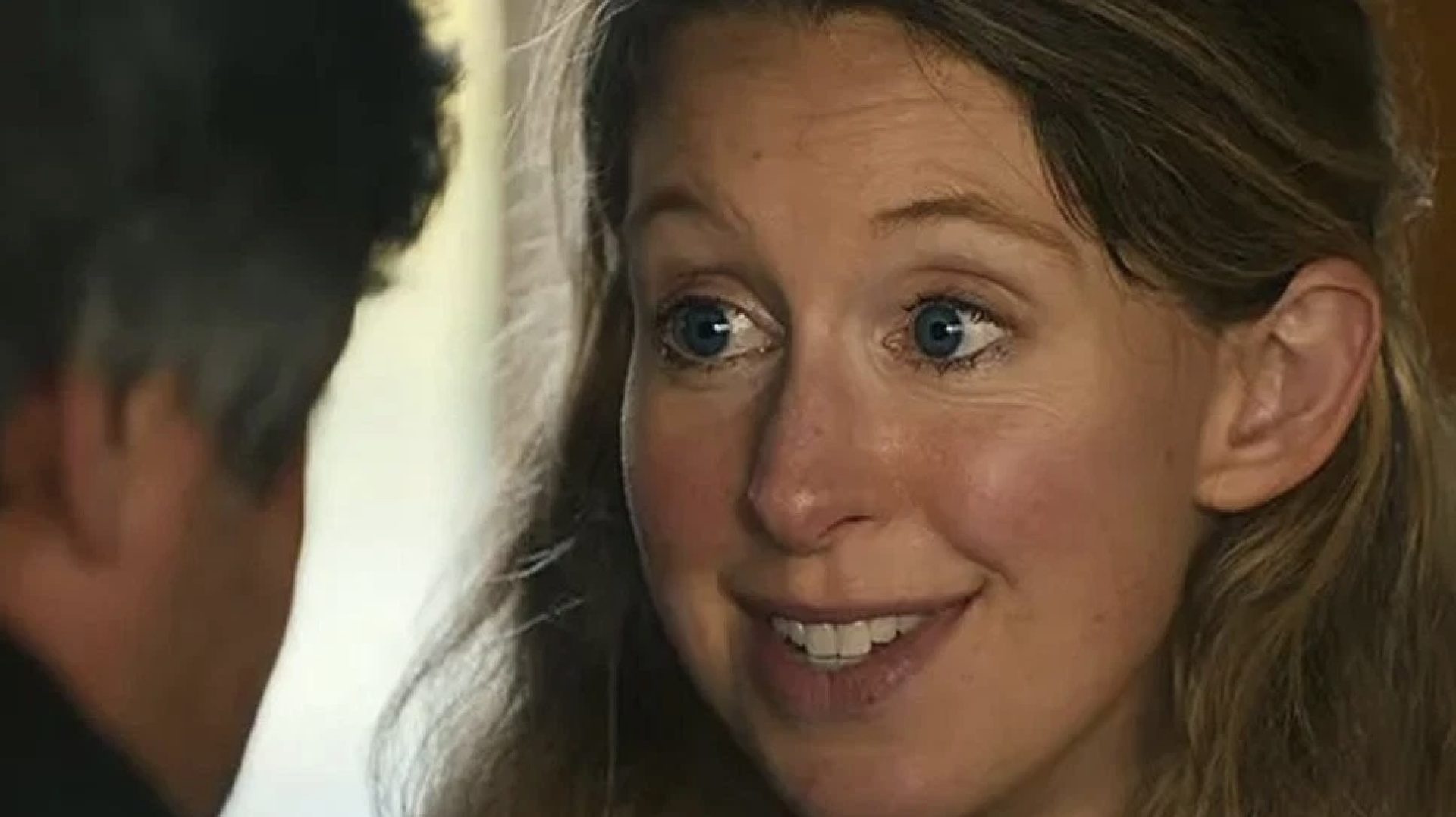
Holmes’s start-up, Theranos, raised billions from investors to market a junky medical-testing device with classic Millennial talk about “disruption” as uplift. For this, she was sentenced to 11 years in federal prison. Most of the film has Fielder following Holmes and her family, often framed in stark close-up shots, in the month or so before she was due to report to a federal penitentiary in Texas. As the filmmaker learns, to his shock and ours, Holmes remains utterly unrepentant and even entertains delusions of reviving the Theranos concept.
Others in her cohort didn’t perpetuate outright fraud but were no less susceptible to self-deception — to the faith that with “radical optimism” and sheer grit, a dedicated “changemaker” can fix the world.
As an older Millennial, I saw this firsthand. My first job out of college was as a schoolteacher on the US-Mexico border. I’d been recruited by Teach for America, a program that places elite grads in underserved classrooms in an effort to close the achievement gap between poor children and their affluent peers.
This “theory of change” — the phrase itself is another staple of Millennial-babble — bucked structural diagnoses of the problem, whether rooted in the economy or in the criminality and family dysfunction that held back many minority kids. Instead, TFA insisted, it would suffice for starry-eyed professionals to import the McKinsey work ethic to the inner-city classroom.
It didn’t work, though putting “TFA alumnus” on a resumé helped a generation of Millennials clinch grad-school seats, as well as jobs in finance, Big Law, and (ahem) media.
Such convenient delusions — convenient to both the professionals and the neoliberal model that then prevailed — can now be seen as hallmarks of the Millennial cohort: Obama and Michelle Rhee; “Lean In”; “the sharing economy”; WeWork and the dream of “elevating the world’s consciousness” through shared office space; Malcolm Gladwell and the notion that deep crises could be cleverly reframed away; TED talks and standing on “your truth”; and on and on.
In You Can See Everything, Holmes still mouths the same phrases (“my truth”, “my journey”) and holds more or less the same worldview. That’s what makes the film so discomfiting. The subset of Millennials who did fine in those years — who landed full-time salaried jobs, bought homes, started families — mouthed this same bullshit, with varying degrees of sincerity.
Meanwhile, the real crises festered. Too much unskilled immigration dispossessed native-born working classes and stirred cultural incohesion. Easy money pumped by central banks floated jobs in PR, diversity consulting, and social-media management, while the real economy and manufacturing continued to decay. Populism surged. In response, the Millennial pseudo-idealism of the 2000s and 2010s curdled into 2020-style wokeness and cancel culture.
We’re all the wiser for it, one hopes. Or we are at least wise enough to watch Holmes on screen for nearly three hours and recognize pieces of ourselves in her. Like a ghost trapped in the circumstances of her demise, Holmes still clings to certain Millennial tics and delusions after everything we’ve been through since. In this sense, You Can See Everything should be thought of as a horror film, up there with the best of them.
Sohrab Ahmari is the US editor of UnHerd. His next book, on The Triumph of Normal, is forthcoming from HarperCollins.
 SohrabAhmari