









September 26 2026 - 8:00am
On Thursday, the Foreign, Commonwealth & Development Office revealed that it would be making new funding available for international programs “to help millions of women gain greater choice over pregnancy”.
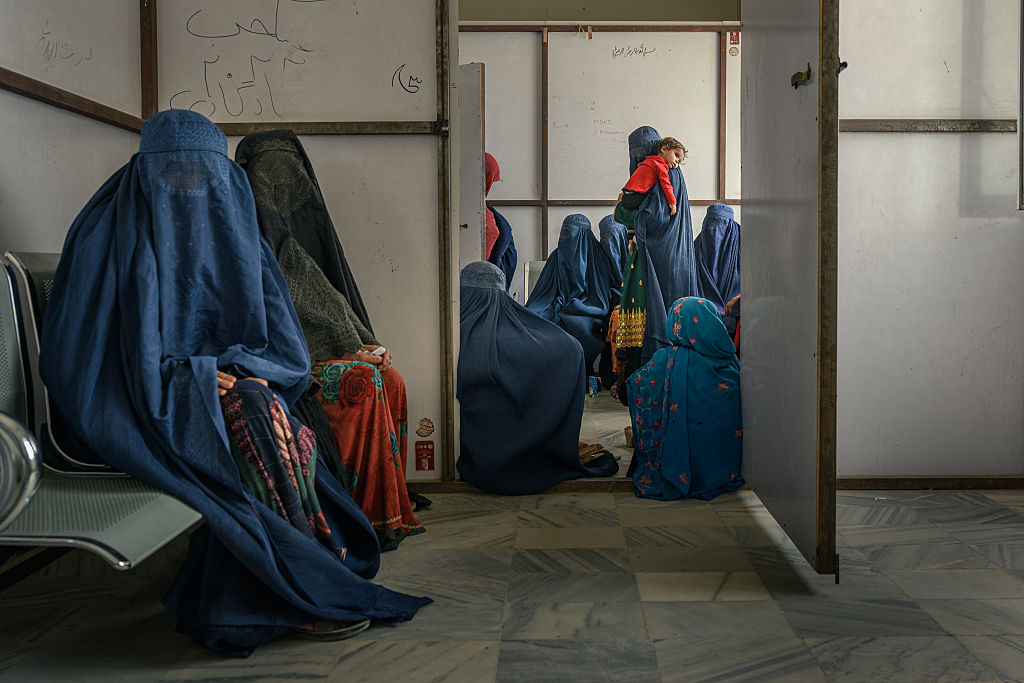
The announcement promised an eye-watering £254 million of Government (read: taxpayer) funding for the CHOICES program, which provides abortions and contraceptives to women in countries including Afghanistan, Chad, The Gambia, Malawi, Sudan, and Yemen. According to the FCDO, this funding could avert in the region of 14 million unintended pregnancies by 2028. It is unclear from the announcement what proportion of this vast number comes from abortion or contraception.
Alice Macdonald, who currently serves as Bridget Phillipson’s Parliamentary Private Secretary at the Office for Equality and Opportunity, argued that such a move “makes economic sense”. She pointed to information provided by the United Nations Population Fund, which claims that a $79 billion investment in abortion and contraception globally could yield $660 billion in economic benefits by 2050, mainly through making women more active in the workforce. It may make economic sense for the countries in Africa and the Middle East which are on the receiving end of such funding, but it cannot reasonably be stated that such an “investment” is financially sensible for citizens of the United Kingdom.
On the same day, another announcement from the FCDO received substantially more media coverage, offering a further £88 million in funding for humanitarian aid in Palestine, which is to include providing mental health services. This new funding is part of a total of £127 million allocated to the Palestinian territories in the UK’s Official Development Assistance budget for 2026-27.
Further developments on the same day revealed that the FCDO will be giving an additional £5 million to Somalia for infrastructure that protects communities against flooding during the rainy season. Additionally, forming the largest portion of the day’s gifts, the Foreign Office declared that it would be giving £331 million towards tackling climate change, including in the Amazon rainforest and the Congo Basin. “This year, once again, the impacts of climate change have been unprecedented,” Foreign Secretary Ed Miliband said. One wonders how many years it will continue to be unprecedented.
These announcements, forming just one day in the life of the FCDO, total approximately £678 million in Government spending — not a penny of which will be seen by anyone resident in Britain. Meanwhile, earlier this month, Prime Minister Andy Burnham announced that the British Army would have to stop “non-essential training exercises” — including live-fire exercises and rehearsing platoon attacks — to save money. The total that would be saved? A measly £30 million, less than 5% of the money allocated to other countries on one single day by the Foreign Office.
Lieutenant General Benoît Desmeulles, a senior Nato chief, warned the decision to cut training exercises to save such small amounts of money was a “recipe for disaster”, arguing that it may seriously restrict Britain’s ability to be war-ready.
In times like these, when the country is facing an increased risk of attack concurrently with depleted defense coffers, can Britain really afford to continue divvying out large sums of money to countries around the world with no tangible benefit to its own interests? Burnham’s government must start taking itself seriously.