









January 23 2026 - 1:00pm
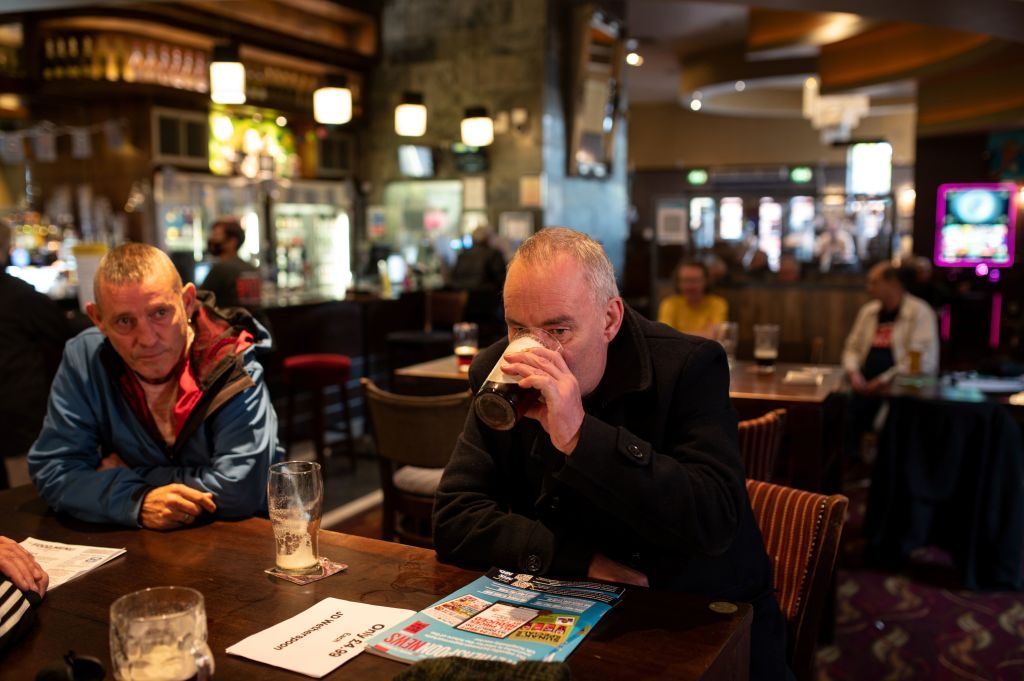
When I stay overnight in London for work, I often have my dinner in Wetherspoons. As well as the cheap beer and the hearty no-nonsense food, it offers excellent opportunities for people-watching. All human life is there, from the students making me feel old with their energy and enthusiasm, to the old men drinking with their pals in companionable silence, via stag parties, and family groups taking advantage of the normally calm and civilized atmosphere.
I am, in short, a Wetherspoons defender. The British pub trade has been struggling for many years, with changing consumption habits, demographic change, the smoking ban, cheap supermarket alcohol and the pandemic all taking their toll. And yet ‘Spoons is an expanding business, which can still offer extraordinarily cheap pints in the heart of London, alongside reliable pub grub.
Until now, it seems. Wetherspoons boss Tim Martin has warned investors that profits will be hit this year as tax rises and minimum wage hikes raise the chain’s costs considerably. Hopefully it can weather this particular storm, but the prospect of Wetherspoons going under is an especially grim one. The firm represents a slice of Old Britain — often in the most literal sense, because many of its premises are in attractive repurposed buildings. In Stafford, Wetherspoons has taken over a beautiful interwar cinema; in London’s Docklands one of its pubs occupies The Ledger Building, a storehouse once used by the West India Company.
In the more general sense, Martin’s business is one of the last redoubts of the traditional pub. Many of the branches have endorsements from the Campaign for Real Ale (CAMRA). Amid the (now faltering) craft beer boom and the irresistible move towards gastropubs and destination pubs, Wetherspoons kept flying the flag for the old-fashioned boozer. It is noticeable, especially in provincial towns and cities, that its pubs tend to function as a kind of community center — not the artificial kind where well-meaning social workers encourage juvenile delinquents to play ping-pong and talk about their feelings, but the kind where people gather organically to meet with friends and family.
When I was doing jury service a couple of years back and popping into Wetherspoons for my lunch, it was clear that the regulars were friendly with each other and with the staff. There were old folks who might otherwise have been sitting at home with no one to talk to, nervous to turn on the heating. There were lonely-looking people and obviously troubled people, but for that moment they had some semblance of a network — a place they could come that didn’t cost very much and was warm and dry and inclusive, in the best sense of that word.
Martin, an enthusiastic Brexiteer, critic of the Covid lockdowns and advocate of reduced regulation, is something of a bête noire for the contemporary ruling class and its supporters. It’s hard to avoid the suspicion that some of their criticism of Martin is rooted in a kind of social and aesthetic disdain for what Wetherspoons represents: cheap, popular refreshment in traditional settings, and unmediated social interactions, free of any control or monitoring by the People Who Know Best. There is a kind of practical democracy at work in the popularity of its venues, an echo of a past that many in power would rather we forget but which provides a great deal of comfort for a good many people.
