







 Prefer us on Google

December 28 2025 - 8:00am
It is hard to believe now that at Christmas 1996, about 24 million people — nearly half the population — tuned into the BBC to watch Time on Our Hands, the finale of Only Fools and Horses. And this figure, while high, was not that much of an outlier. From the Seventies, when TV ownership had become near-universal, until the fragmentation of the media landscape began in earnest in the first decade of this century, high-profile Christmas specials routinely hit the 20-million viewer mark. When I was growing up, the arrival of the festive edition of the Radio Times was one of the established routines of the run-up to Christmas. The premiere on terrestrial television of a recently-released film was a notable event.
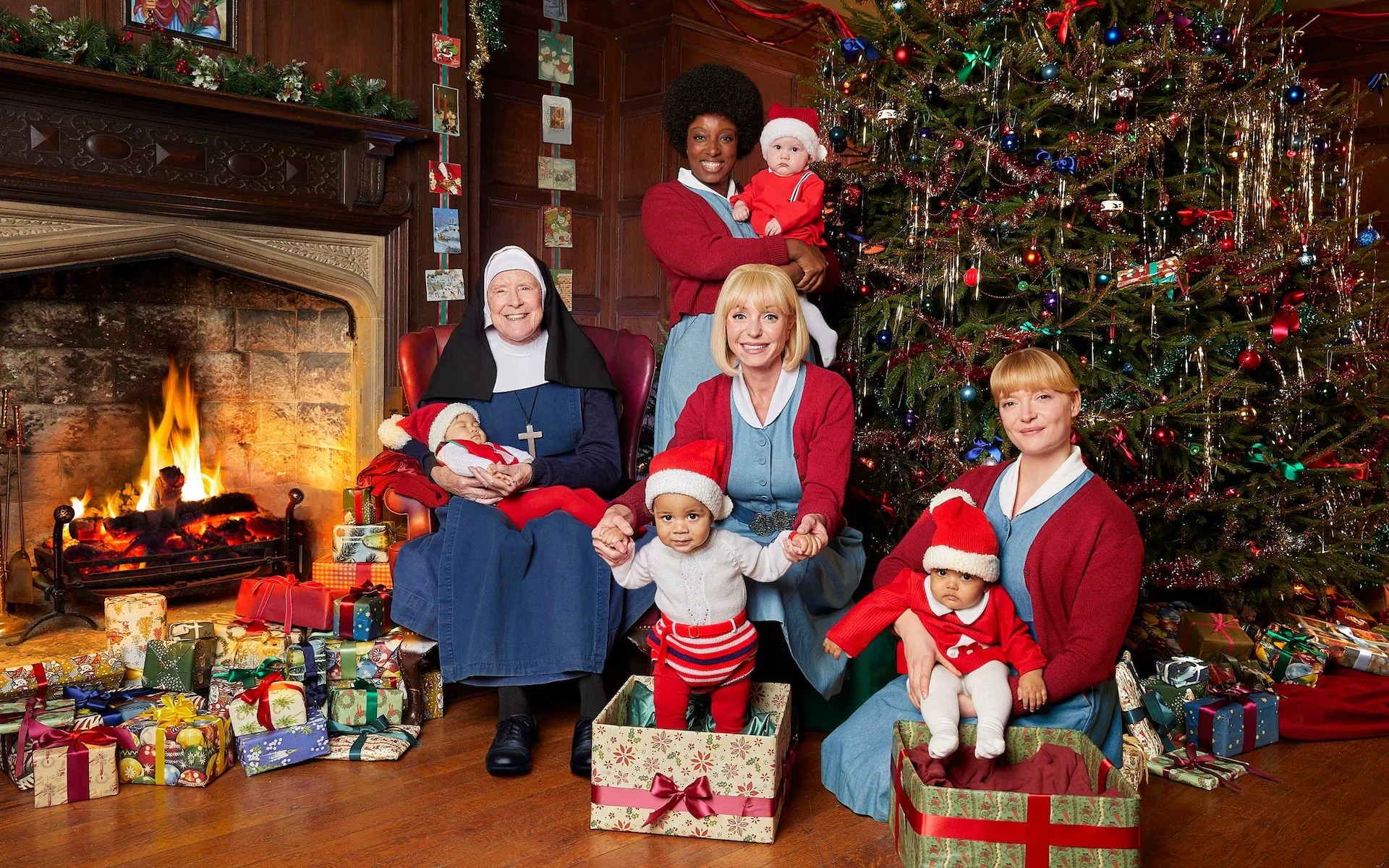
Times change. Popular favorites like Mrs Brown’s Boys struggle to get to 10 million viewers. It is being reported that this Christmas was a dreadful one for BBC TV, with viewing figures close to all-time lows, and significantly down even on last year. Looking back on my own viewing in the last week, I have not watched a single minute of BBC content, and it seems like I am far from alone. The glimpses I had of the Christmas schedules looked decidedly unappealing. Indeed, it almost seemed — based on the line-up for the afternoon and evening of Christmas Day — that Auntie had “just given up”. Call The Midwife, Strictly and Mrs Brown’s Boys are all creaking with age and long past their prime. The Absolutely Fabulous episode shown was from 2003, which is getting on for a quarter of a century ago.
It is very difficult to see how the BBC recovers from here. Many of the problems it faces are out of its hands. The fragmentation of the media landscape, and the rise of streaming giants with massive budgets — and no obligation to provide national and regional news, factual programming, and website services — was always going to damage the BBC’s market position. Huge demographic changes over the last 30 years were always going to cause a fracture in popular culture, especially given the ability of newcomers to continue consuming culture from their countries of origin via the internet. The much-loved classics of yesteryear that used to be staple of the Christmas listings — Fawlty Towers, Dad’s Army, Morecambe and Wise and so on — simply have no conceivable relevance or meaning or nostalgic resonance for huge swathes of the British population.
But the BBC has often been its own worst enemy. It has gone out of its way to alienate cultural and political conservatives, with heavy-handed progressive agitprop finding its way into drama, comedy, and current affairs. Any conservative person who has made the effort to complain about such violations of impartiality will be familiar with the infuriatingly pig-headed response that the Corporation tends to take.
Worse still, the Beeb has abandoned the Reithian mission that would have helped to justify their continuing existence in the new world of near-endless broadcast choice. Highbrow documentaries and arts programming have more or less vanished, certainly from TV, and even on radio they are becoming more rare. Supposed amateurs on YouTube, with limited resources and no institutional backing, are regularly putting together more informative and serious-minded shows, dealing with a wide range of subjects, than the national broadcaster can make. There might be a way back for the BBC, but it will require a level of humility, and a determination to return to the high standards that many of its staff and supporters regard with deep political unease.
