








January 13 2026 - 10:30am
Making and sharing sexualized images of real people without their consent is wrong. Such actions are also illegal, yet thousands continue to post on X, prompting Technology Secretary Liz Kendall to introduce a new piece of hastily-drafted legislation that “will make it illegal for companies to supply tools designed to create non-consensual intimate images”.
Opening a formal investigation yesterday, Ofcom explained that its job is not to censor individual posts, but instead to judge “whether sites and apps have taken appropriate steps” to protect UK users from illegal content, and children from harmful content. The vagueness of this duty of care, which the Act imposes on platforms, is a legal quagmire, into which the regulator now plunges amid a political storm.
In a sense, this is the first big test of Ofcom’s new powers under the Online Safety Act. Since the Act came into effect in 2025, Ofcom has taken action against half a dozen companies for non-compliance, and fined a “nudification site” £50,000 for failing to effectively check the ages of users.
That’s right: other sites and AI tools were already available to digitally transform ordinary photographs into borderline pornography before the recent furor gave Grok a burst of publicity. The integration of Grok into X, and Elon Musk’s unwillingness to censor the output of either, has facilitated the sharing of non-consensual intimate images, but it is by no means the only way to get an AI to (illegally) depict your darkest fantasies.
By devolving power to a regulator, whose brief is both to help companies comply and to judge whether they have done so, the last government no doubt hoped to avoid accusations of state censorship, as well as political debates about exactly where offense becomes harm. However, as many warned — including me — this invites sweeping censorship by precautionary principle. Most online platforms will err on the side of caution, preventing or removing material that might fall foul of the law, rather than risk fines or disruption of normal service, thereby chilling public debate.
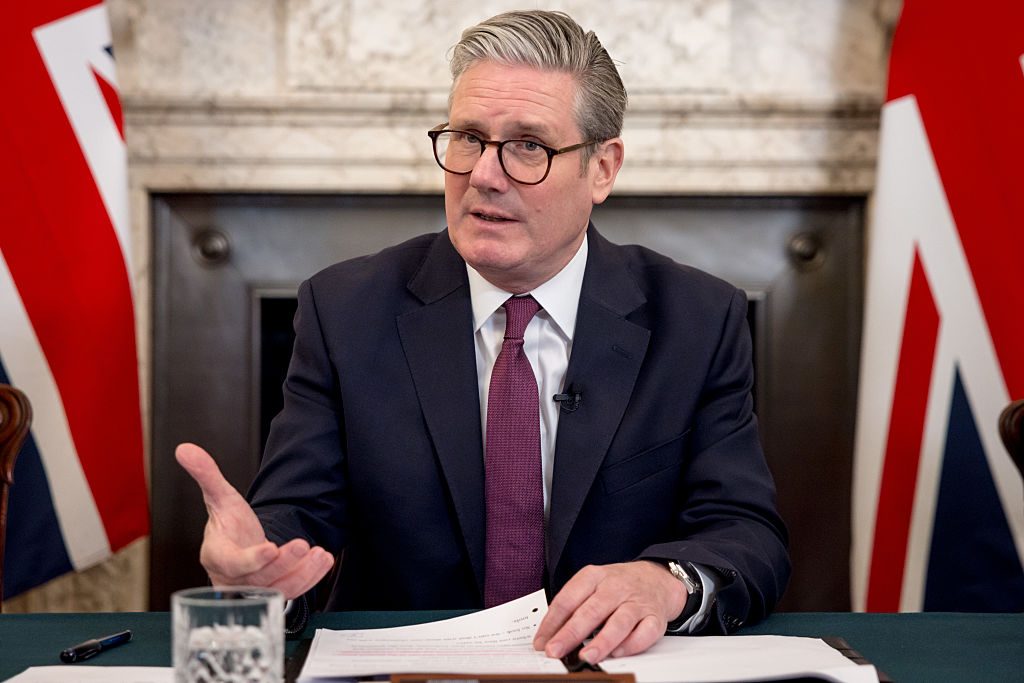
Indeed, the Act relies on that incentive to avoid trouble, as it would be impossible for the meager resources of Ofcom to actually investigate and punish every possible infringement. But Musk shows no signs of playing the self-policing game. On the contrary, he has taunted Keir Starmer with reposted bikini pics that make the UK Prime Minister look ridiculous, though not especially sexy (sorry, Keir).
It’s doubtful whether Ofcom could justify blocking access to X but not to other platforms equally capable of distributing AI-sexualized images. In any case, using a VPN would almost certainly enable users to carry on posting from a non-UK IP address, while making it harder to enforce UK laws against them.
Ironically, by picking an Online Safety Act fight with Musk and X, the UK Government may be about to reveal just how hard it is to enforce a poorly drafted law through a poorly resourced regulator.
Timandra Harkness presents the BBC Radio 4 series, FutureProofing and How To Disagree. Her book, Technology is Not the Problem, is published by Harper Collins.
 TimandraHarknes
Join the discussion
Join like minded readers that support our journalism by becoming a paid subscriber
To join the discussion in the comments, become a paid subscriber.
Join like minded readers that support our journalism, read unlimited articles and enjoy other subscriber-only benefits.
Subscribe