








January 21 2026 - 5:00pm
Clare Binns, the creative director of Picturehouse Cinemas, has this week urged directors and producers to make shorter films if they want them to be screened in theaters and to perform well at the box office. This fills me with hope of a sea change.
Last year, while sitting through Paul Thomas Anderson’s One Battle After Another and Josh Safdie’s Marty Supreme, clocking in respectively at 162 and 149 minutes, I wondered when on earth the narrative was going to get to the point instead of just continuing to be a chaotic “ride”. It seemed like the directorial superego that should have said firmly and repeatedly “No, that isn’t needed: cut it”, had been suppressed forever. This came after also seeing the two Dune movies, 156- and 166-minutes-long, Killers of the Flower Moon by Martin Scorsese, 206 minutes, and Brady Corbet’s The Brutalist — a pitiless 215 minutes.
How did directors become so self-indulgent as to produce such punishingly long films? Watching these sagas, I am often reminded of a scene from Curtis Hanson’s film Wonder Boys (2000), in which a professor of creative writing unable to finish his own novel is told by one of his students that even though his book is beautiful, it’s “very detailed”. “You know,” the student continues, “with the genealogies of everyone’s horses, and the dental records, and so on. I could be wrong, but it sort of reads in places like you didn’t make any choices. At all.”
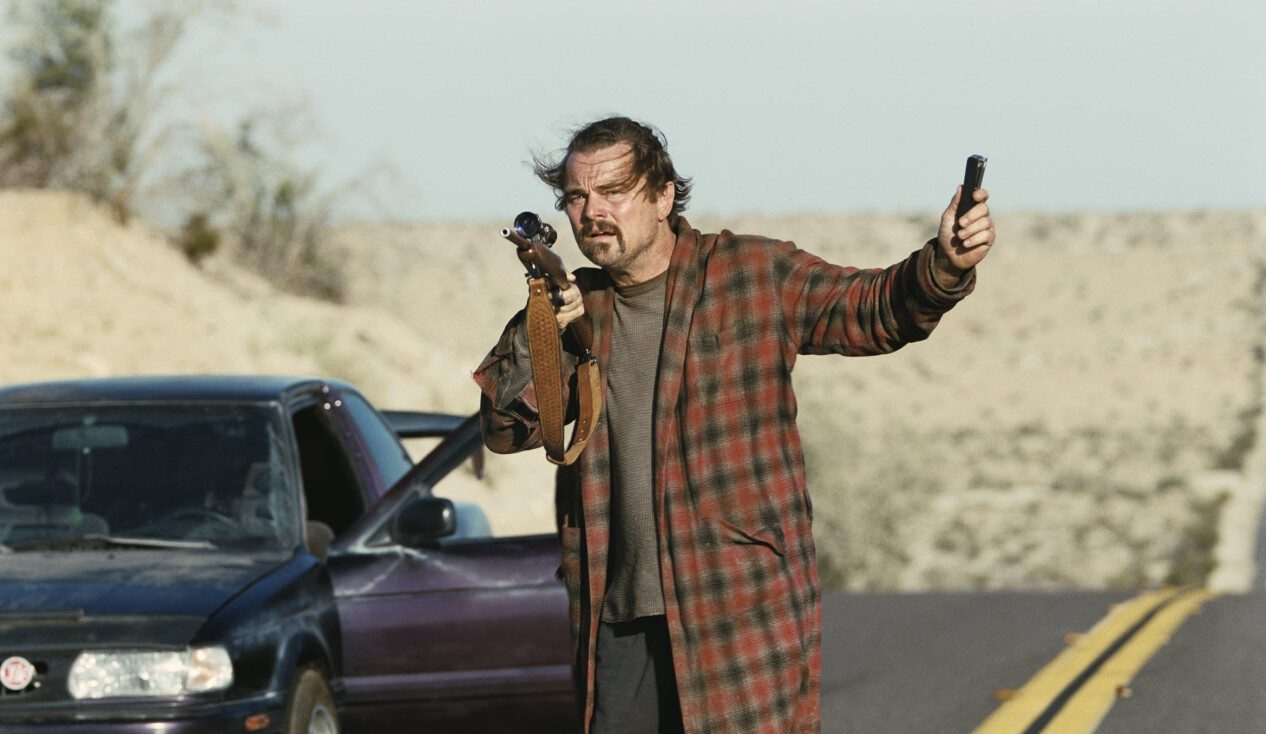
Take One Battle After Another, a film at once unrelenting and flabby. There is a strong sense throughout that Anderson’s creative energy is going into cramming in every possible film reference, ad nauseam. A scene set in a supermarket is merely a nod to Billy Wilder’s classic film noir Double Indemnity — a luxurious display of the director’s cultural hinterland; it does nothing to power the action.
I had wondered if — especially in the wake of the pandemic having kept us all at home watching films on streaming platforms — film producers felt that in exchange for buying expensive cinema tickets, moviegoers should be rewarded with a whole lot of movie time, giving them more bang for their buck. But as it turns out, the interminable film-fleuve is in fact a bad business model for theaters, because the number of possible daily screenings is so few. If theaters are going to continue to recover after their long closure, they need to have more screenings of shorter films.
This does not mean that some films cannot have a longer running time, but this really does have to be earned. It takes exceptional talent to produce a film as sinewy, strange and compelling as, for example Michael Powell and Emeric Pressburger’s The Life and Death of Colonel Blimp (1943, 163 minutes). Nor is it necessarily true that, having been permanently rewired by watching short videos on TikTok, we have now become incapable of concentrating on feature-length films. Clare Binns also notes, interestingly, that visitors to Picturehouse cinemas are showing a renewed interest in screen classics — shorter films of a high caliber.
The time has come, now that streaming is installed in our cultural practices, to decouple it clearly from that special other thing, the cinematic experience: where you look up, as Jean-Luc Godard said, at a screen that is bigger than you and give yourself over to an uninterrupted communal experience. At the cinema, you are not at home, able to pause the film or get up to get a snack. No, you are “out”, while being enclosed in a sacred space that demands your hallucinated attention, and that experience is now ripe for re-wilding and re-weirding.
Join the discussion
Join like minded readers that support our journalism by becoming a paid subscriber
To join the discussion in the comments, become a paid subscriber.
Join like minded readers that support our journalism, read unlimited articles and enjoy other subscriber-only benefits.
Subscribe