









February 8 2026 - 8:45pm
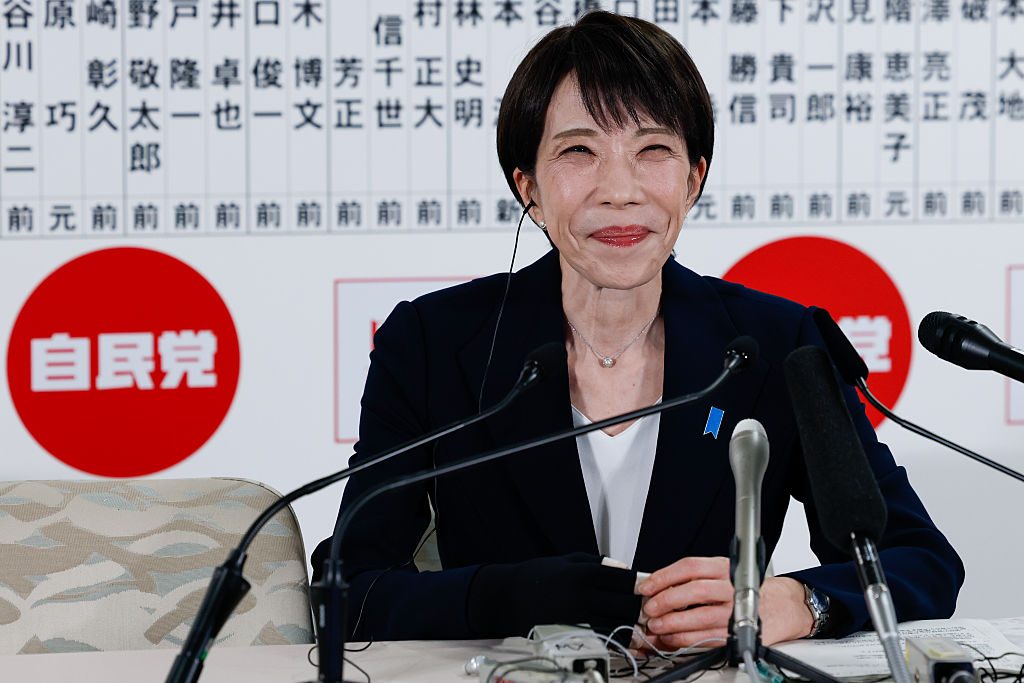
Sanae Takaichi, Japan’s first female prime minister, looks to have secured a clear mandate in Sunday’s snap general election. According to the exit polls, along with her coalition partner, the JIP (The Japan Innovation Party), her Liberal Democratic Party will easily have two-thirds of seats necessary to override opposition in the Upper House where her party lacks a majority. It is looking like a huge and historic victory for Japan’s “Iron Lady” who will be reconfirmed as PM on 18 February.
Ahead of the vote, a recent spike in long-term bond yields appeared to signal concern from the markets about her fiscal plans. That has been dispelled. The Japan Times predicts that Takaichi’s party (and the JIP) could win as many as 366 of the 465 seats. This would mean the coalition (really the LDP, since the JIP’s influence will be minimal) regaining control of all parliamentary committees including crucially the budget and constitution committees. All criticism will be silenced, at least for now. Takaichi can do pretty much whatever she wants.
How did it happen? Much has been made of her charisma and the infectious aura of positivity, and even fun, that has characterized her premiership so far. Unlike some previous leaders she did actually seem to both enjoy and cherish her position. She talked up Japan and her ambitious plans for the economy, security and stricter immigration controls clearly resonated with voters.
Especially the young. The media here is full of sound bites of the notoriously disinterested Japanese youth, voicing surprisingly flattering comments about her. After a series of lackluster leaders and in an era of almost unremittingly grim news, her message of hope for the future and pride in one’s country felt like a tonic. She also, it must be said, benefited from favorable media coverage and a weak and divided opposition. In Japan, there are too many parties with too few strong personalities or distinct policy differences.
Takaichi can now go ahead with her most ambitious economic policies, including her plan to suspend the sales tax on food (currently 8%), part of her “responsible growth strategy”. Whether she will fully go through with all the elements of this strategy is doubtful, though. Last month’s turbulence in the bond market was a considerable scare and, if only to spare us all hearing and reading about “Japan’s Liz Truss moment”, one suspects some watering down will occur. Takaichi has already said she will be “flexible”.
However, the thoroughly sound policy, already well-established of diversifying supply chains to reduce reliance on China (something discussed with Keir Starmer last month) will be continued. As will a push to make the defense industry a specific target for growth. There will likely be an attempt to eliminate export restrictions on “lethal systems” allowing Japan to become a greater player in the global defense technologies market.
There will certainly be changes in immigration policy, indeed these have already begun. Concerns that Japan is admitting too many foreigners, some of whom behave badly, and that the country is in danger of losing its unique identity was a key issue of the election and one on which nearly all parties agreed. Takaichi has vowed to sharply raise the cost of working visas and restrict land sales to foreigners. All of this is presented as making Japan “more prosperous and safer”, as she said in a speech on the eve of the vote.
One person happy about the result will be US President Donald Trump who endorsed Takaichi last week and has already invited her to Washington in March. The UK, if it sorts out its own politics, could benefit too as the Japanese leader is a firm Anglophile — it is widely known that she idolizes Margaret Thatcher — and will be keen to strengthen ties. Less happy will be Xi Jinping. Her controversial comments about Taiwan (she said Japan would respond if China invaded) incensed the Chinese. That relationship will be very difficult to reconcile.
Takaichi’s triumph recalls her mentor Shinzo Abe’s victory in 2012, in which the LDP bounced back after a disastrous spell and ushered in the almost eight-year Abe era. Like Takaichi, Abe put himself front and center of everything and launched numerous ambitious policy initiatives designed to modernize and invigorate the country. However, apart from getting on very well with Donald Trump, few credit Abe with many concrete achievements. The same old problems persist. Will his protégé do any better?
