









February 9 2026 - 10:15pm
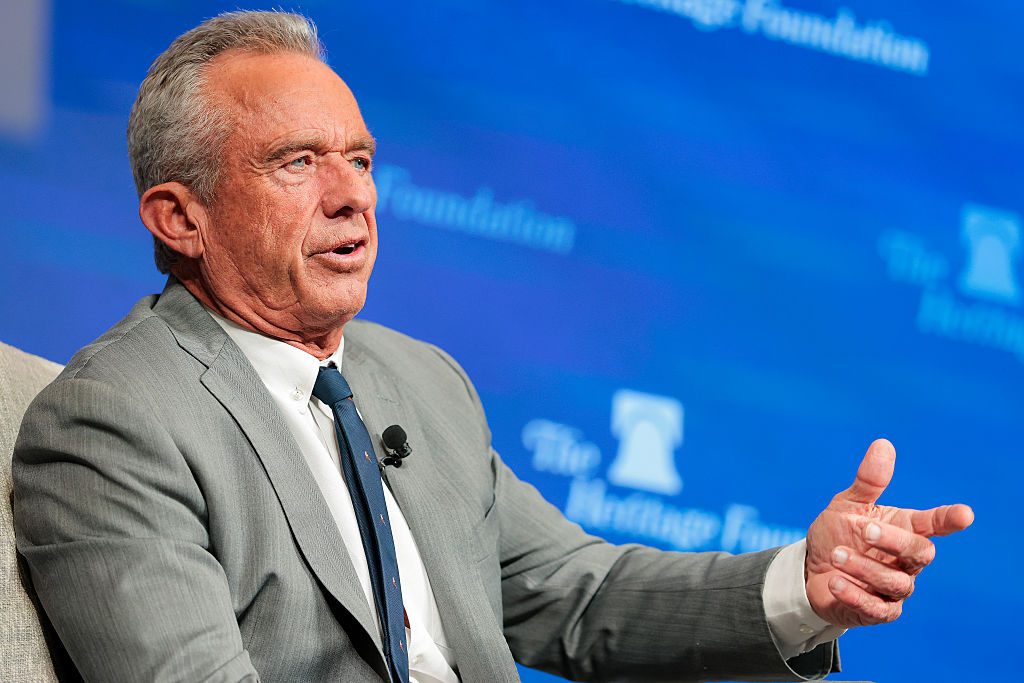
Earlier today, Robert F. Kennedy Jr. sat down with the Heritage Foundation to mark one year as HHS Secretary. The occasion was a victory lap for the Make America Healthy Again (MAHA) agenda, which has spent 12 months trying to shore up glaring deficiencies in the American food supply, reducing drug prices, and overhauling badly outdated dietary guidelines.
In his Heritage speech, Kennedy cited $4.3 trillion in annual chronic disease spending, noted that 38% of American teens are diabetic or prediabetic, and pointed out that 77% of children cannot qualify for military service. He called processed food worse than cigarettes, describing it as a kind of “spiritual warfare”.
He isn’t wrong. A meta-analysis of 14 prospective cohort studies covering nearly 700,000 participants found that the highest ultra-processed food consumption raised diabetes risk by 24%. Industrial processing loads food with refined sugars, seed oils, and additives while stripping out fiber and micronutrients, creating calorie-dense products that disrupt glucose regulation and drive insulin resistance even in young adults. Elsewhere, the GRAS (“generally recognized as safe”) loophole that Kennedy wants to close — originally meant to exempt staples such as milk and salt from FDA review — has been exploited to usher thousands of chemicals onto the market with little or no scrutiny.
The administration has responded to what Americans clearly want fixed. One survey found 85% of parents support stronger regulation of dyes and additives, and Trump’s pollster Fabrizio Ward put bipartisan support for mandatory labeling at 9 in 10 voters. Trump signed the Whole Milk for Healthy Kids Act in January, reversing Obama-era restrictions on full-fat dairy, the cost-effective key to any powerlifter’s early gains, in school cafeterias. Kennedy and Agriculture Secretary Brooke Rollins replaced 400 pages of industry-captured dietary guidelines with six pages on eating “real food”.
These worthwhile reforms don’t stop there. The Presidential Fitness Test is back after a decade to target the one in three public school students who are obese. Six petroleum-based synthetic dyes are being phased out, with 75 bills across 37 states targeting food dyes and manufacturers including Nestlé, Kraft Heinz, and Hershey pledging to remove artificial additives. Finally, Kennedy’s proposals on prior authorization and drug-pricing transparency would deliver on promises made by six consecutive presidents — and honored by none.
However, the same institutional skepticism that correctly identified the food pyramid as a corporate scam tips into something more harmful when Kennedy applies it to vaccines. The CDC overhauled the childhood vaccine schedule in January, cutting recommendations from 17 to 11 diseases. Measles, polio, and pertussis remain, but the reasoning behind the cuts owes more to Kennedy’s longstanding hostility to the vaccine establishment than to any new safety data. While the food industry suppressed evidence that its products were harmful, most of the non-mRNA vaccine evidence has been tested exhaustively and holds up.
Unfortunately, Kennedy’s vaccine skepticism has resulted in the US hitting a 34-year high in measles cases in 2025, with over 2,400 infections and three deaths, and is poised to lose the measles-free status. But in the words of a senior CDC official, this surge was merely “the cost of doing business”.
The public sees it differently. Three in four voters feel positively towards the measles vaccine, and Fabrizio Ward’s data from the 35 most competitive congressional districts found that candidates backing the elimination of vaccine requirements slipped 22 points among swing voters. Trump’s own pollster put it plainly: “Vaccine skepticism is bad politics.”
The impressive HHS one-year report catalogs real achievements on food, transparency, and drug pricing. The data says Americans want food reforms. The data also says they want their kids vaccinated against measles. Were he a shrewd politician, Kennedy would give them both. So far, he is insisting on a package deal that few want and that could end up compromising his legacy.
Oliver Bateman is a historian and journalist based in Pittsburgh. He blogs, vlogs, and podcasts at his Substack, Oliver Bateman Does the Work
 MoustacheClubUS