









February 23 2026 - 11:20am
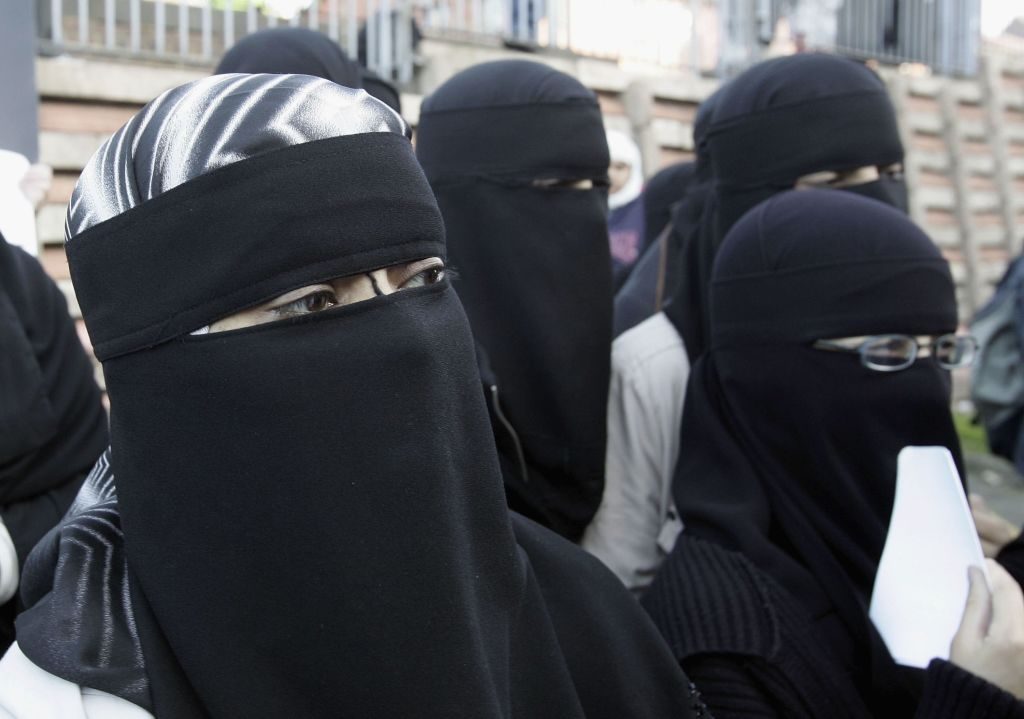
“What’s wrong with the niqab?” It’s not the question that goes through my head when I see a woman with her face hidden, except for the eyes. I wonder why she’s wearing it, whether she’s chosen it or been coerced through some form of pressure. Demanding that women, but not men, cover their faces in public is so obviously discriminatory that it makes me — and many other people — uncomfortable.
A minor spat on social media is a reminder, however, that the cultural relativism which defends some forms of discrimination against women is not yet dead and buried. It appears, as it so often does, in the guise of opposing racism, as though any criticism of someone’s culture can only be motivated by xenophobia. Over the weekend, pro-migration campaigner Zoe Gardner called out the broadcaster Colin Brazier, who had complained about seeing women wearing niqabs on Oxford Street in the center of London.
Gardner denounced his post as “racist as fuck”, and asked the aforementioned question about the niqab. “Go on spell it out you nasty Muslim hater,” she added. What actually needs spelling out once again, it seems, is the fact that some cultural practices are hugely damaging to women. Culture is no more benign than nature, which gives us plagues and avalanches as well as sunsets and beaches.
There is a disturbing history here. In the Eighties, I used to argue with women, some of them feminists, who believed in equal rights but refused to condemn “female circumcision”. Their defense of mutilating women’s genitals always started and ended with the same statement: “It’s their culture.” Even Germaine Greer fell for it, describing moves to ban female genital mutilation as “an attack on cultural identity” in her 1999 book The Whole Woman. Now FGM is a criminal offense in Britain, and rightly so.
I’m not in favor of banning the niqab, but it certainly isn’t harmless, let alone something to celebrate. It’s a deliberate statement, signaling that women who wear it exist under different rules and conditions than men. The impact may be ameliorated in countries with equal rights enshrined in law, but a woman whose husband insists on her covering her face before she leaves the house may have difficulty accessing them.
Feminists who criticize the niqab or the burqa are not attacking the women who wear it, but the ideology which promotes it. In Afghanistan, the burqa makes individual women invisible, a daily reminder of the horrors imposed on them by a pathologically misogynistic sect, including a ban on girls’ education. In Iran, where thousands of protesters have been killed by another vile regime, women who remove the headscarf have been at the forefront of the Woman, Life, Freedom movement. It started in 2022 when 22-year-old Mahsa Amini died in police custody after being arrested for violating the regime’s rules mandating the wearing of the hijab.
It’s always seemed ironic that some women in the West are keen to defend a practice which is resisted at the risk of death in other countries. When women are dying for the right to uncover their hair and faces, the real question about the niqab is why any feminist would defend it.
Joan Smith is a novelist and columnist. She was previously Chair of the Mayor of London’s Violence Against Women and Girls Board, and is on the advisory group for Sex Matters. Her book Unfortunately, She Was A Nymphomaniac: A New History of Rome’s Imperial Women was published in November 2024.
 polblonde