









July 16 2026 - 12:30pm
Traveling to Paris in October 2010, I was surprised to see a Deutsche Bahn (DB) Intercity Express (ICE) train stabled among prognathous Eurostars under the great iron-and-glass roof of St Pancras station. It was there, I learned, to herald a direct service to Cologne via the Channel Tunnel. It’s an exciting proposition, though anyone waiting for the first train to the cathedral city would have needed the patience of Hermann Hesse’s Siddhartha, for that train has yet to run.
This week, however, Gemini Trains — a startup backed by an unnamed Middle Eastern sovereign wealth fund — announced it would be running new German-built trains to Cologne. These won’t be from St Pancras, which is apparently too congested, but instead from Stratford International with stops at Ebbsfleet and Ashford, stations closed during the Covid pandemic. According to Gemini’s CEO Adrian Quine, the company plans to “shake things up by offering new routes, new stations, new trains, new interiors, new cheaper fares and encouraging people to shift from plane to train”.
Gemini is partnered by Uber, which will take bookings, although the trains are not expected until 2030. Teamed with DB, meanwhile, Eurostar also intends to run direct services to Cologne, from 2031, as does Virgin Trains. Trenitalia might join this sudden free for all — the rail regulator opened the Channel Tunnel to competition late last year — with Evolyn, a Spanish high-speed rail start-up.
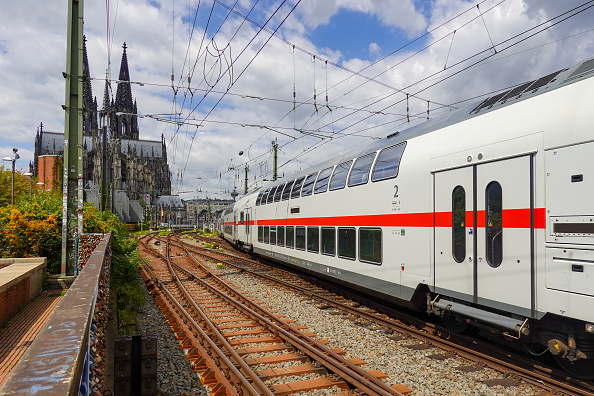
The Channel Tunnel reportedly operates at 50% capacity, so there is room for more trains than Eurostar currently offers. Cologne’s selection as a destination makes sense because it is a key hub of commerce and industry. Beyond this logic, there will also be the satisfaction of arriving in the city’s magnificent trainshed. Designed by the engineer Ernst Grüttefien, and based on William Barlow’s glorious St Pancras trainshed, it is set cheek by jowl with Cologne Cathedral, a meisterwerk completed in 1880 to the original mid-13th-century design.
The newly planned direct Channel Tunnel trains to Cologne are, however, less about an embrace of Gothic architecture and more to do with competition, frequent fast trains and low fares. Even so, there remains the alluring ghost about them of international trains of yore; of the thrill of the Night Ferry, an 11-hour journey to Paris from London Victoria on board exotic Wagons-lits shipped wholesale across the Channel; or the sheer glamour of the Golden Arrow, a Pullman car train that made its resplendent Anglo-French way from Victoria to Gare du Nord.
Seats, lighting, food and service will not be in quite the same league as they were on the Golden Arrow, and yet the promise of setting off from London at breakfast time and arriving in Cologne for lunch knowing that frequent direct trains will speed you home is special. Just don’t turn up quite yet: the next departure for Cologne is currently scheduled for four years’ time. Even then, it may be delayed by the wrong sort of bureaucracy, regulations and politics on the line.