









January 15 2026 - 7:00am
To be successful in politics is a question not just of talent but of circumstances. History is written by those who seize opportunities, and then have the talent and tenacity to hold onto power.
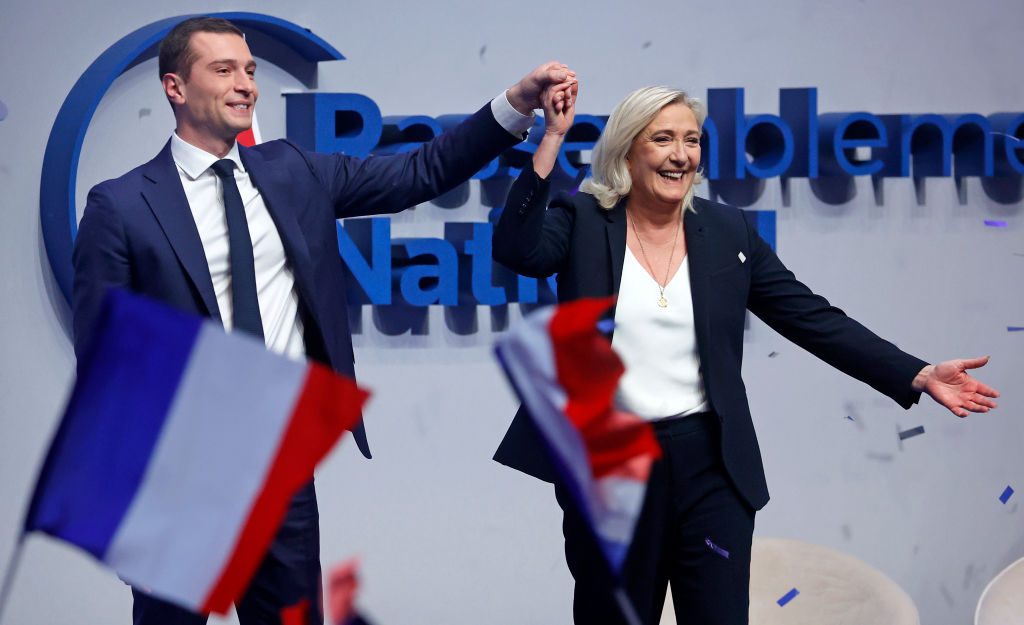
We do not know yet whether Marine Le Pen will be able to run in the French presidential elections next year. The hearings in the appeals court over her European Parliament embezzlement case started this week, with the verdict expected in the summer. It will decide whether she can run for the presidency or if Jordan Bardella will do so in her place. The two keep both options in the air and it seems to work, at least according to the polls.
Either way, the Rassemblement National is benefiting. Here are two potential contenders for the same job working together while projecting two different visions for the economy, yet the program’s ambiguity has not yet harmed them. This stands in stark contrast to the feuds over leadership inside the liberal-conservative Les Républicains, the bickering amongst centrists, or the visceral attacks between Left-wing parties over loyalty and betrayal.
The court case will keep Le Pen and her party in the news. She pleaded not guilty in her first appearance at the courts yesterday. If a fault was indeed committed, she and her party were never aware of crossing the line, as she tells it. This defense focuses on intent. If Le Pen is convicted and banned from running for office, there will be those who will find the sentence unjust and consider her a victim.
But even outside the courtroom, the RN is likely to benefit. French farmers have been protesting the European Union’s Mercosur deal with South America for over a week. The French National Assembly, in a rare case of unity, showed up to reject the deal. Even the centrists erred on the side of caution and voted to reject it, a position defended by Le Pen for some time. The RN can even cash in twice, since the EU adopted the deal anyway without French backing.
Or take the budget. The political inability of the assembly to pass a budget, and the political crisis it produced, makes voters want to ensure that next time there is a government in charge with a clear majority. Le Pen and Bardella both command a solid lead in the polls for the presidential elections and the RN is leading ahead of the legislative elections. Why would a voter interested in a stable government risk wasting their vote on another party unlikely to win? Neither the Left nor the centrists offer assurances. Unless there are new developments over the next year, the stability vote will go to the RN.
There are less than 500 days until the elections. A Verian poll for Le Monde earlier this week suggested that a record-high 42% of French voters agree with the ideas defended by the RN. Yet there could be last-minute surprises like the emergence of another Emmanuel Macron, who in 2017 rose from obscurity to power in less than a year. Given the negative experience the French had with Macron, though, even this scenario looks less than likely. There is, however, one way the RN’s chances could be scuppered. If parliament fails to agree on a budget soon, the government has to decide whether to trigger Article 49.3 of the French constitution or implement the budget by decree. If as a consequence the government then gets censured, legislative elections would be held this March.
If the RN were to win the elections, as the polls suggest, and Macron were to give the party a mandate to form a government, who would be prime minister? It is too early for Le Pen to know whether or not she can run as presidential candidate. And Bardella does not want to become prime minister one year ahead of elections that he aims to win. Their ambiguity would work against them in this case. A prime minister from the RN could burden the party’s election chances over the next year, experiencing the same incapacity to deliver as the current government. Could the RN manage parliament better? Or refuse the offer? Voters would view the latter choice as cowardice.
Dissolution and new elections are the most fatalistic scenario for the centrists, who will pay the price for Macron’s chaotic reign. And yet their failure could unintentionally blunt the RN’s strategy. Cui bono?
This is an edited version of an article which first appeared in the Eurointelligence newsletter.