









April 29 2026 - 7:00am
Say what you like about Charles III, but he is a first-rate diplomat. Relations between Washington and London have appeared increasingly strained in the last year or so, with President Trump scolding the PM for the UK’s refusal to join his Iranian adventures, and Britain coming under (justified) criticism from JD Vance for our oppressive restrictions on speech. The King himself is reportedly not an enthusiast of the current occupant of 1600 Pennsylvania Avenue, an opinion he shares with a large majority of his subjects.
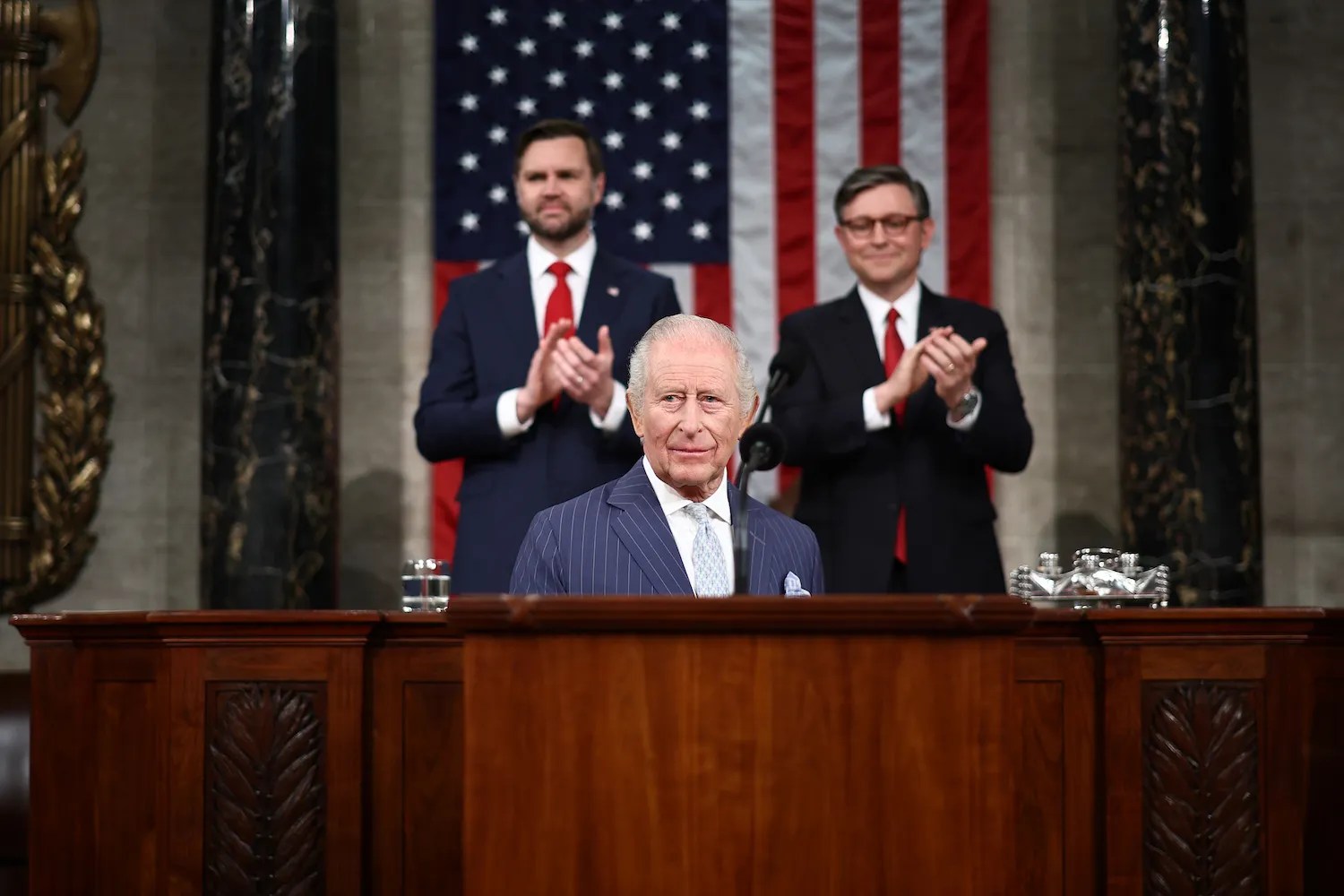
It was not an auspicious time for a state visit. However, Charles’ address to Congress was a warm and well-crafted paean to the Anglo-American alliance, soothing ruffled feathers with a predictable but powerful reiteration of our shared kinship, our shared history and our shared values. It was rapturously received on both sides of the aisle, uniting Republicans and Democrats in a way that is extremely unusual nowadays.
Even the jokes were good. His Majesty — or at any rate his speechwriter — understood the assignment, to use the modern idiom. As the fallout from a disastrous American ambassadorial appointment rolls on at home, here was a masterclass in what good diplomacy on the Potomac looks like. There were even unobtrusive but unmistakable allusions to some of the King’s personal concerns: climate change and the environment, and the importance of diversity and religious tolerance.
And yet, there are difficult questions lurking in the background. It seems to me an open question whether these kinds of crowd-pleasing speeches — carefully prepared and expertly delivered as they may be — fully reflect the reality of the world in 2026. To take one example, the royal address mentioned the ties of kinship that have traditionally bound Britain and the USA. But both countries have undergone rapid demographic change in the last three or four decades, and on current trajectories will become “majority-minority” around the middle of this century. The impact of these transformations on the Atlantic alliance is a noticeably under-explored subject among think tanks and politicians, because of the English-speaking world’s ferocious taboos around such matters.
It’s also undoubtedly true that the glorious inheritance of liberty, which Charles rightly praised as a source of unity and shared purpose, is looking decidedly threadbare, especially on this side of the Pond. I hardly need to rehearse the many infractions on privacy and freedom of speech that British governments have imposed so enthusiastically. We in Britain can only cast envious eyes at the First Amendment, even with the various caveats and hedges that two centuries of jurisprudence have applied.
And then there is the military and strategic cooperation, which Charles repeatedly extolled. The history here is inspiring, the present reality rather less so. Recent joint adventures in Iraq and Afghanistan ended badly, and all three branches of the armed forces are in a bad way. The Navy in particular — traditionally the cornerstone of British power — has declined in size and flexibility just in the last two decades, never mind since the end of the Cold War. We are ill-prepared to operate independently of the US.
With all this in mind, watching a beautifully dressed and well-spoken Charles addressing a rapt audience in a historic wood-paneled legislative chamber is a little like watching a classic BBC adaptation from 40 or 50 years ago. It is superbly well done, and everyone has played their part to perfection; but all the while, we know it is the product of a vanishing world.
