









October 28 2026 - 6:00pm
In his book Filterworld: How Algorithms Flatten Culture, the writer Kyle Chayka explores how culture is being homogenized as algorithmic bias fuels a cycle of aesthetic optimization and sameness. This “harmonization of tastes” explains the Instagram industrial-chic of coffee shops, the repetitive Spotify playlists of manufactured pop songs that never last longer than three minutes, the swipeable Airbnb listings with identical interior design, or the formulaic content pushed by the Netflix homepage. Everywhere we look, there is growing similarity between people and places.
It appears it is not just culture that is being flattened, but appearances too. To watch a modern film or television show is to watch a cast of actors whose faces have been pulled, tweaked, injected and frozen into something curiously interchangeable.
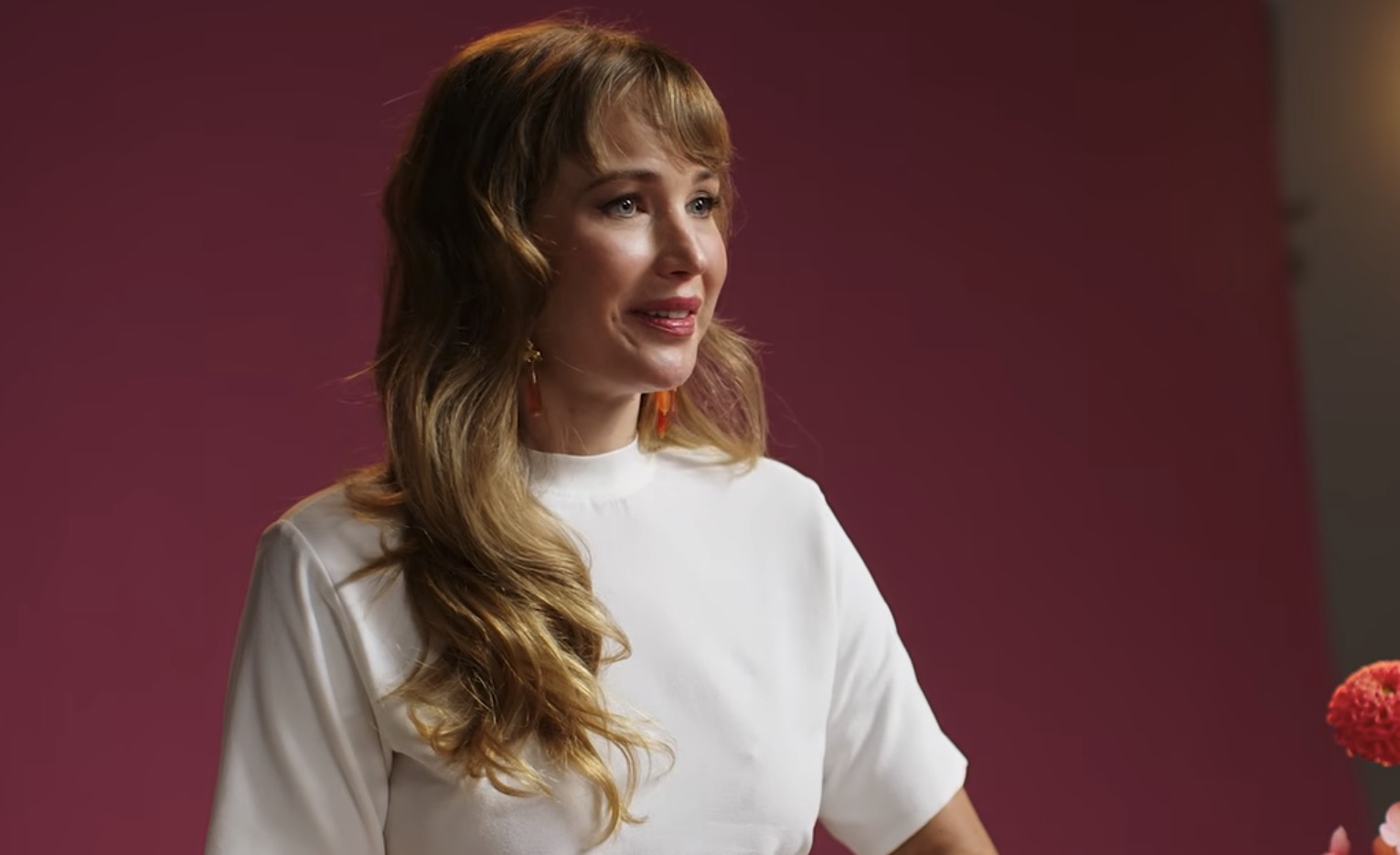
Yet even actors known for their “unique” features have succumbed to the pressures of the Hollywood “cut-and-paste face”. This week, Barry Keoghan vlogged about his skin-tightening procedure. Earlier in 2026, Rosie O’Donnell wrote an article on Substack about her decision to get a facelift after losing weight through Mounjaro. Now the Oscar-winning actress Jennifer Lawrence has confirmed she had a breast augmentation and boasts she wants more cosmetic surgery in order to be a “sexy mom”. Many suspect she has also had other procedures, such as upper bleph surgery, due to her “unrecognizable” appearance in a recent photoshoot.
Clearly, our obsession with youth and beauty is threatening to erase individuality. These identikit composites mean that we no longer celebrate faces which tell stories — lines that show laughter, features that reflect heritage or expressions that convey emotions. Much has already been made of the popularity — and dangers — of the cyborgian “Instagram face”. Yet what has changed is that we are now moving away from the speculative game of “has she or hasn’t she” towards an era of “transparency” and “authenticity”. For example, Courteney Cox has candidly discussed why she had her fillers removed, Kris Jenner has been open about her facelift (“my version of aging gracefully”), and her daughter Kylie Jenner once casually recommended her plastic surgeon in a TikTok comment.
Some argue that this newfound openness is a positive step, because it helps to demystify beauty standards. After all, Jennifer Lopez once said that her only beauty secret was good sleep and olive oil, while Lindsay Lohan credited her poreless visage to “lemon juice and chia seeds”. On the other hand, these conversations still normalize invasive, medically unnecessary procedures. Their casualness treats these “enhancements” as part of the same self-care ecosystem as skincare or haircuts, while often glossing over the risks, complications and recovery burdens of having one’s body sliced open.
Disclosure does not undo the damaging effects of watching a whole generation of actors, celebrities and influencers increasingly converge toward a “visual mean”. Even if audiences know these looks are not “natural”, they remain aspirational, and the “flattening” of beauty standards leads impressionable audiences to covet the same features by any means possible. Last month, the BBC reported women almost blinding themselves through eyelid surgery. Earlier in the year, a mother of two died after flying thousands of miles for liposuction and a Brazilian butt lift. Celebrities’ openness may seem empowering, but the outcomes remain depressingly the same.
