









May 31 2026 - 6:45pm
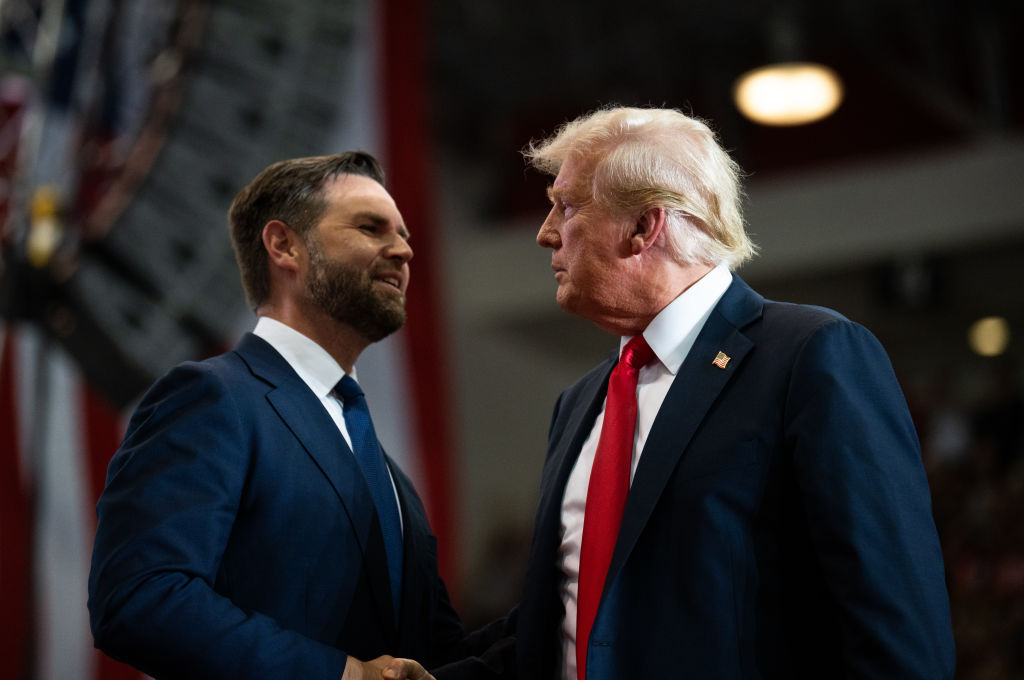
Donald Trump has grown distant from his Vice President, JD Vance, compelling the latter to abandon a 2028 bid. White House Chief of Staff Susie Wiles has advised Vance to quit beefing online. The GOP’s hawkish, pro-Israel wing doesn’t trust him and, increasingly, neither do the more populist, anti-intervention wing and its podcast tribunes. Polymarket gamblers are closing the gap between him and Marco Rubio for the Republican nomination. In short, Vance’s status as Trump’s presumptive heir is in doubt.
That’s the upshot of a week or two of MAGA Kremlinology, and it amounts to little more than poorly sourced speculation pushed by Vance critics. The fact is, if anyone is within reach of the MAGA crown, it’s still the VP.
The two recent articles about Trump pushing Vance away and Wiles advising the Vice President to abstain from social media appeared in two very different outlets: the Daily Mail and the New York Times, respectively. Yet both are facing intense pushback from official sources. Vance World points out that the Mail story is seemingly based on claims from a single anonymous source — a “White House insider”, which could mean literally anyone, with or without an administration job or meaningful access to the principals. The Times story, which also relied on background sources, received a direct and forceful smackdown from White House Communications Director Steven Cheung.
Beyond the question of dubious reporting, there are the deeper foundations of why Vance is still likely to be the next GOP presidential nominee. These are easy to miss, given his relative silence in recent months.
For starters, Vance still has support from Turning Point USA. It’s true that chunks of the younger Republican wing have been alienated by the Iran war and are increasingly turning against Israel as the second Trump administration is mired in yet another Middle East conflict. But the key question here is: who else? Who among the other potential contenders would enjoy greater credibility among the young Right than Vance?
The Vice President’s orbit has subtly signaled his skepticism about the war, enough that it’s a recurring talking point in Washington. And that’s before you consider that he has a lock on most of the other issues dear to the young Right: above all, immigration.
Then there is also Vance’s role in Republican coalition politics. Going back to the 19th century, America’s two major parties have been comprised by unwieldy combinations of regional, religious, and class-based interests. The art of American national politics is aligning enough of these together to beat the other side. Vance gets this better than almost anyone appreciates.
As Semafor’s Ben Smith noted last month, Vance “has loyally served [the party’s] most important constituent, Trump, and remained close to Donald Trump Jr”. Smith also suggested that “the elements of the party who now loathe or, at best, roll their eyes at Trump hold out hope for Vance.” The VP studiously maintains his friendship with anti-war stalwart Tucker Carlson, but he’s also made inroads among the Republican donor class, from Wall Street to Silicon Valley to Nevada.
Two conservative thought leaders close to Vance recently told me that, at some point, the Vice President will have to pick a side between the various portions of the Republican Party, thus disrupting his conservative ecumenism. But that point will likely happen if and when he clinches the presidential nomination, not before.
Sohrab Ahmari is the US editor of UnHerd. His next book, on The Triumph of Normal, is forthcoming from HarperCollins.
 SohrabAhmari