









January 29 2026 - 10:00am
For over 50 years, the military and strategic relationship between the United States and Israel has appeared rock solid. Irrespective of who was in the White House, US funds flowed toward the Jewish state, in return for Israel buying American arms and keeping the Soviets — and, since 1979, the Islamic Republic of Iran — at bay in the Middle East.
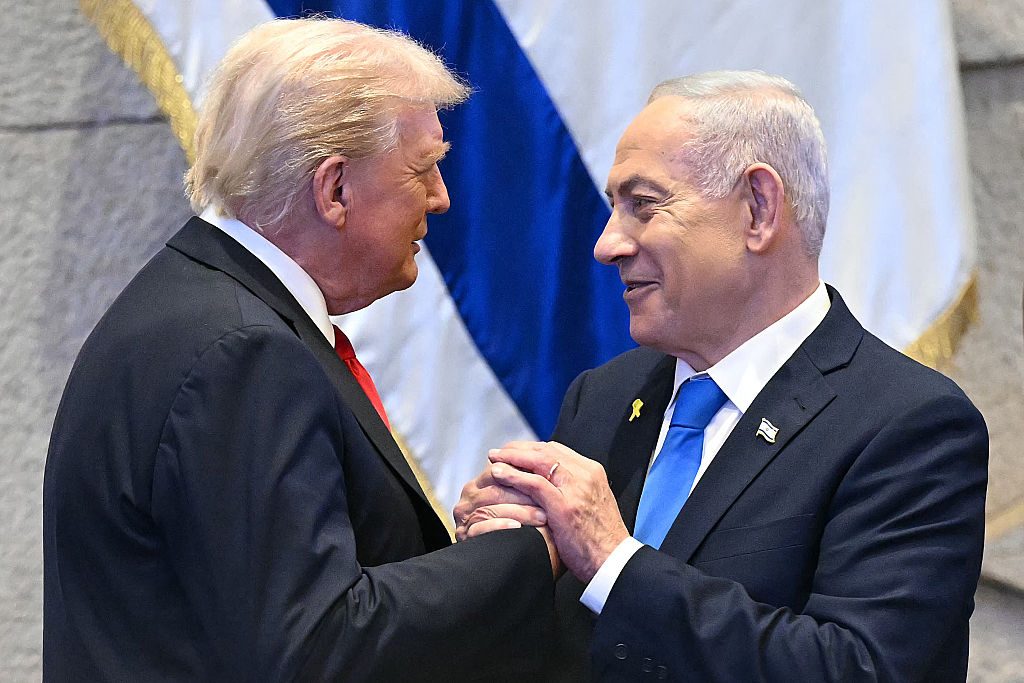
But with the latest reports this week that a new US-Israeli security deal is being sought by the Tel Aviv government, Netanyahu and his friends are serious about planning for the post-American world. This has been evident for a while, and was reinforced earlier this year during an interview with The Economist in which Bibi said he was willing to reduce US support down to “zero”. This new rhetoric is a full-throated acceptance of both the new era of American isolationism ushered in by Donald Trump and a confident Israel that sees itself as a leader in the Middle East.
Last September, Netanyahu gave a speech claiming international isolation was “inevitable” and that Israel needed to be “both Athens and Sparta”, to lead in both research and development and military potency. He is acutely aware that any future US president will be less supportive than Trump, given the rise of isolationism and even some antisemitic sentiment within the Republican base. Meanwhile, the decisive anti-Zionist turn among Democratic activists means the American Left can’t be relied on in the future either.
Arguing that the Israeli economy should become “autarkic”, he called for a break with the free-market values he himself inaugurated in the Nineties and early 2000s: “I led the free market revolution, but we could find ourselves in a situation where our arms [trade] will be blocked.” He went on to emphasize a need for mass-scale domestic arms development. Already, the government is funding, at a cost of one billion shekels (£225 million), a factory to make raw materials essential for the defense industries. Whether this could scale to a mass level is yet to be seen.
Of course, Israel is not yet willing to forsake American support altogether. It hopes this latest deal will allow a smooth transition from the US providing financial support toward the joint development of armaments. To some extent, this is already happening, as many of the latest high-tech weapons systems produced in the US, such as the F-35 fighter, depend on Israeli components.
Emerging footage of the horrific suppression of the Iranian street protests will have made the US President well aware that his threats were ignored by Tehran. Trump took no action due to a combination of military factors and pushback from regional allies, including the Arab monarchies and Israel, who were worried about Iranian retaliation.
It now looks like action against Iran is back on the menu. That’s not because isolationist sentiment within the GOP or the broader strategic pivot to the Western hemisphere count for much in determining US foreign policy, but merely because making Trump look like a fool seems to be the motivation behind major decisions.
The USS Abraham Lincoln and its escorts have arrived in the Persian Gulf, and Trump needs a foreign policy win to distract from events in Minneapolis. It seems like this final US-Israeli arms deal could be sealed with a renewed strike on the Ayatollahs — an apposite curtain call for the end of over 50 years of US-Israeli relations. The two countries have long relied on one another for security both at home and abroad. Yet a final deal could usher in a new era of self-sufficiency, meaning the pair simply become allies rather than dependents.
