







 Prefer us on Google

April 21 2026 - 10:00am
Laws, Otto von Bismarck is supposed to have said, are like sausages: it is better not to see them being made. The Higher Education (Freedom of Speech) Act 2023 is more like a jamón ibérico: high-quality, indispensable, and left hanging to cure for two years. When it was passed in May 2023, the Act was responding to a widespread sense that something in higher education had gone badly wrong. Things are still badly wrong, and only now are some of the Act’s key proscriptions being implemented.
From the next academic year onwards, academic staff and external speakers will be able to report concerns to an independent regulator if their universities fail to protect free speech. Grounds for a complaint could include: if a talk by a controversial guest speaker is canceled; if it isn’t canceled, but gets drowned out anyway by student protesters obnoxiously banging pots and pans outside; or if universities make people swear loyalty to various political causes. If, then, such a complaint is upheld, the Office for Students — and its unimpeachably fair-minded “free speech tsar” Arif Ahmed — will now be empowered to fine universities up to £500,000. For a sector teetering on the edge of bankruptcy, that is not small change.
Why has it taken so long to get here? Bridget Phillipson, the Education Secretary, has been lukewarm on the Act from the start. Soon after taking office, she put it on ice and there was a moment when it seemed like the whole thing would be junked for good. She proceeded with the Act, which survived in a somewhat neutered form with the original statutory tort discarded.
The Act has, of course, met with hostility from the University and College Union, which is dominated by people of a certain political bent. That goes some way towards explaining Phillipson’s dilly-dallying. Universities are understandably nervous about the Act — partly because they fear the wrath of their unionized academics and Left-wing students, and partly because they now fear having to pay massive fines.
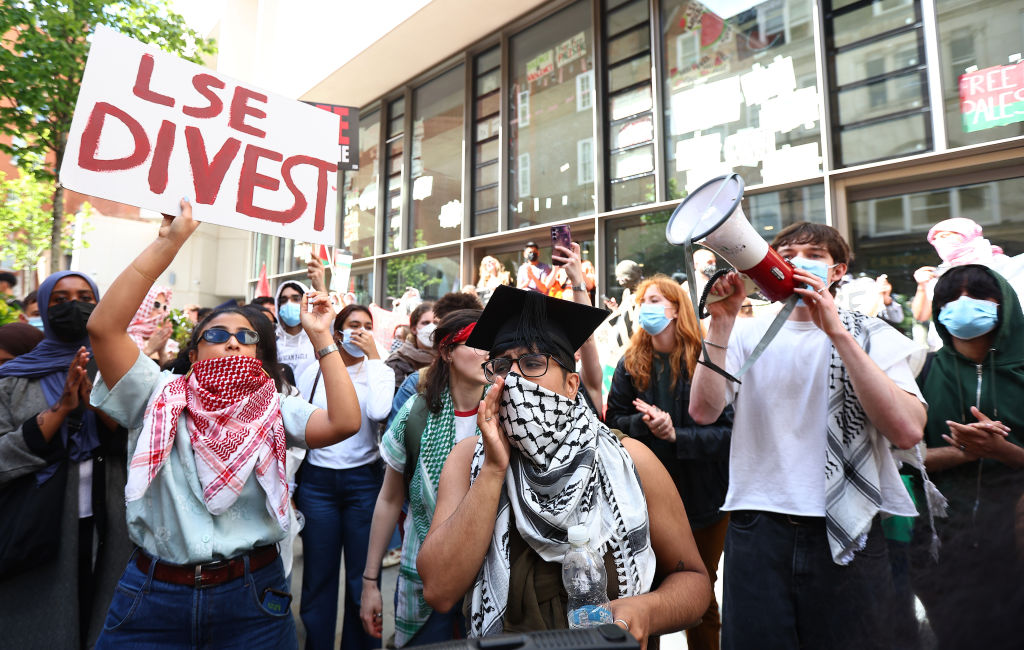
But fear might be what’s needed to ensure that universities uphold the law and, for that matter, their raison d’être as places for free inquiry and debate. The letter of the law has not been enough. In October 2024, a speech by Suella Braverman at her alma mater, the University of Cambridge, was canceled due to threats from a pro-Palestine group. Several universities, meanwhile, have taken out ill-conceived injunctions against student-led pro-Palestine encampments. Recently, the Durham Union — a relatively Right-wing outfit even by the standards of a relatively Right-wing university — was blocked on political grounds from having a stall at the freshers’ fair. A lot of pain might have been avoided without the two-year delay.
In such cases as these, it will not do to let universities mark their own homework. Many of these institutions have fallen for a kind of HR confidence trick, hoodwinked by the notion that the advice meted out by professional lanyards supersedes the common law of England, or even Acts of Parliament. Universities, like most institutions, are naturally risk-averse; in the past, this has caused them to kowtow to activist students, or allow the boundaries on speech to be drawn by their (no less politically assertive) administrative staff. It is good that there is an oversight body to ensure higher education does what it ought to, and it is good that such a body will finally be armed with its long-promised powers of execution and enforcement. The law on free speech at universities has to have a bite to it.
