









June 25 2026 - 7:30pm
With peace apparently taking hold in the Middle East, at least for now, it was reported this morning that the world oil price has fallen back down to the level it stood before the war.
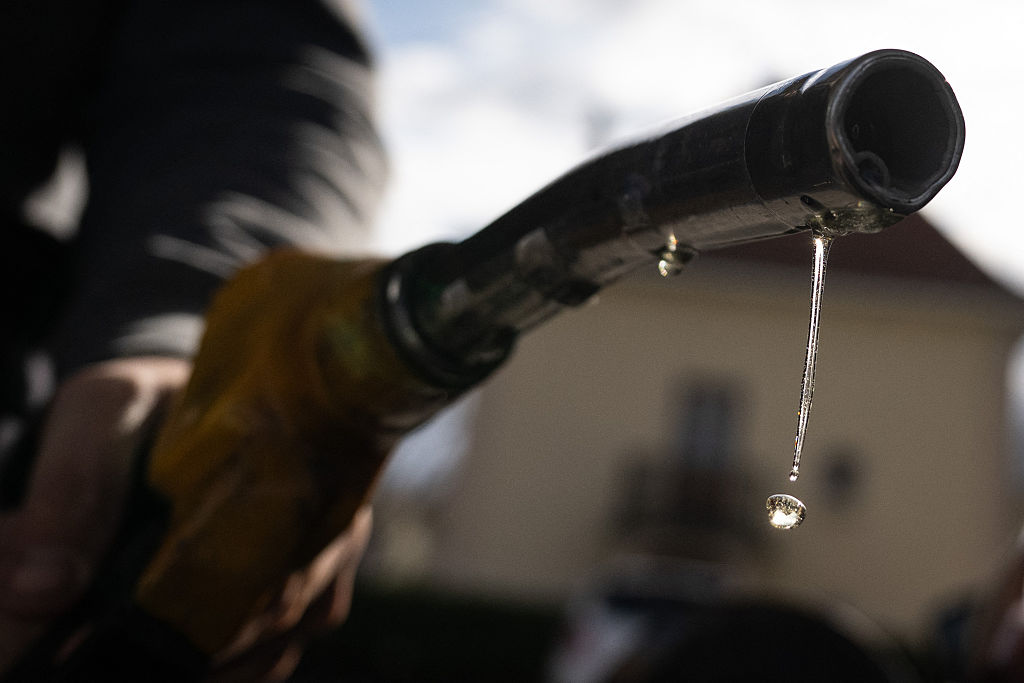
That’s good news for the global economy. Admittedly, that good news may not quite extend to Donald Trump. With Congressional elections in just over four months, the US President is anxious that politically sensitive gasoline prices return to where they were when he started his ill-fated war. But while they’re coming down, they aren’t mirroring the fall in crude. Oil prices have, indeed, almost halved since their wartime peak, but US pump prices have slid more gently, from an average of $4.50 at the height of the war to just below $4 now. No wonder Trump is grumbling at oil companies for price gouging.
But the slow fall isn’t due to gouging. It will take a while for pump prices to fall all the way back because refineries had depleted their stockpiles of oil during the war. In fact, as they refill them, and as other stockpiles are replenished — including the strategic reserves that governments emptied to keep prices from spiraling out of control — world oil prices may well bounce back up in the coming weeks. They may settle in a range somewhere between recent peaks and lows and stay there for the rest of the year. Add in the advent of the summer driving season in the US, and surging electricity demand in Europe as the continent grapples with its heatwave, and full relief from the war’s effects may take a while.
We shouldn’t lament that. In fact, were prices to keep falling, the good news could in time turn bad. At the moment, the resumption of supply as tankers leave the Persian Gulf is the main driver of falling prices. But if they fell much more, that could point to weakening demand in the world economy. Further warning signs of such risks might be found in other corners of the market, where we could find symptoms of stress, such as bonds rallying strongly, which could suggest worries of an impending recession.
So, paradoxically, the positive scenario would be for oil prices to rise a bit and pump prices to come down only gradually. That would indicate a market finding its way back to a balance between supply and demand at healthy levels of activity. It would also be a symptom of growing confidence that peace will hold in the Middle East. In short, we want good news, but not too much of it.
The flipside to this favorable outlook would be two potential negative scenarios. One would be that peace talks break down and traffic into the Strait doesn’t resume, sending prices back up. The other is that peace takes hold, but the damage done by the energy shock turns out to be more long-lasting than initially thought, with the oil price falling further.
Ultimately, a definitive end to the energy crisis depends on the long-term course of talks between the US and Iran, a ceasefire in Lebanon, and the reopening of the Strait of Hormuz. As they bargain with the Trump administration, the Iranian negotiators will know how desperately the President wants the war to end. We can therefore expect them to press their advantage in talks.
Good news for the economy may ultimately require bad news for America’s standing in the world and image as a superpower. That may just be the price of hubris.
John Rapley is an author and academic who divides his time between London, Johannesburg and Ottawa. His books include Why Empires Fall: Rome, America and the Future of the West (with Peter Heather, Penguin, 2023) and Twilight of the Money Gods: Economics as a Religion (Simon & Schuster, 2017).
 jarapley