









February 22 2026 - 6:00pm
There are innumerable ways in which the lives of human beings are becoming flatter. Sameness reflects the commons. The ways in which we’ve experienced visual flattening are much discussed: generic condo architecture, dull-toned cars (in 2023, greyscale colors accounted for 80% of all cars sold), Millennial pink, minimalist fonts, and so on. Sameness has also spread to the realm of sounds. Today’s songs have fewer chords and key changes than they did even 20 years ago, never mind 50 years ago. Perhaps most gallingly, though, musicality and variation is even vanishing from the way we talk. Our modern English accents and dialects are increasingly monophonic.
A new survey published this week suggests that the New York City accent is dying out. According to The Word Finder, the New York City dialect ranks No. 12 on the list for accents the country is quietly losing. What’s more, about 70% of surveyed parents say they would prefer their children speak “general American”, while only 30% want their kids to inherit the local accent (though more than half of respondents also said the government should fund dialect preservation).
Why is this happening? The city has become an increasingly less hospitable place to raise families for the middle and working classes. It is becoming less capable of producing its own native population and more of a playground for wealthy transplants. Naturally, it sounds less like itself.
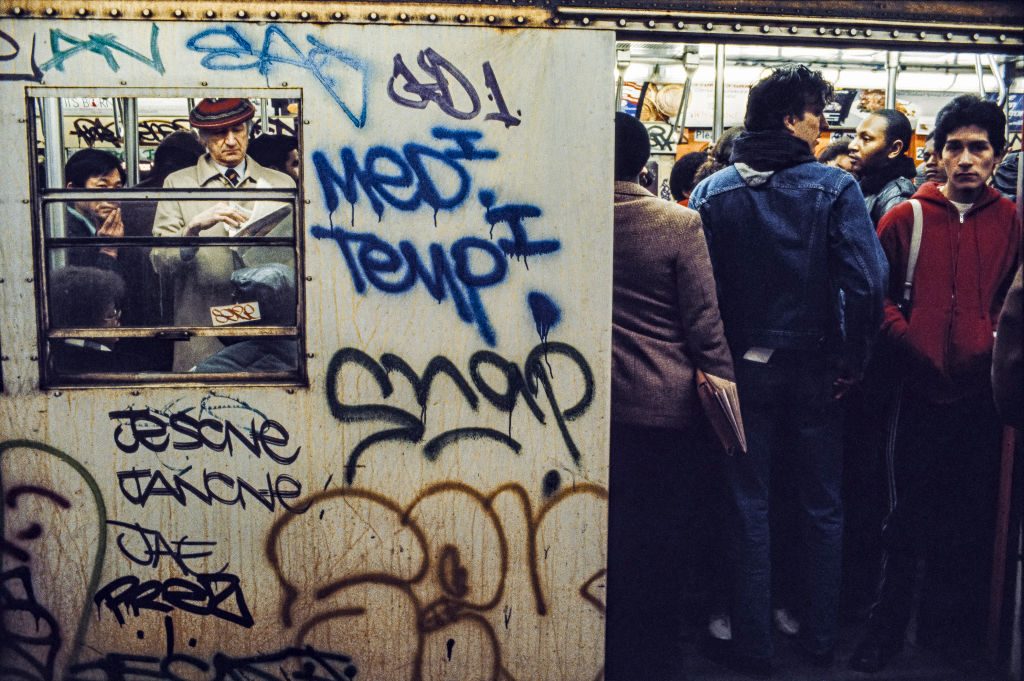
In documentaries and films, most pungently in the Seventies and Eighties, New Yorkers sounded a particular way. They had accents, or at least an attitude tied to the way they embodied speech. Dan Kaufman, a linguist who co-curated the “Mother Tongues” exhibit at City Lore, put it simply: working-class people maintain local dialects, while the wealthy and middle class from across the country tend to sound the same. Heather Quinlan, who directed the documentary 2015 If These Knishes Could Talk, found that New York’s accents were defined along ethnic lines more than boroughs. From James Cagney’s Irish to Woody Allen’s Jewish to Rosie Perez’s Puerto Rican, accents carried hints of ethnic histories; they literally encoded history.
Americans, and especially New Yorkers, are simultaneously aware of the moral implications of the great vocal flattening (and frying), but also will not resist the economic and social incentives to flatten themselves and their children. In short, the way the world works — the way sameness is a universal imperative promoted by digital technology — makes the preservation of old-world speech codes impossible. A kind of invisible history, the history encoded in sounds, is consequently sacrificed.
This will likely come at a huge hidden cost. Accents serve as psychological buffers, while providing important social information. Accents tell us we’re in neighborhoods. They tell us we’re welcome or unwelcome. They tell us about hospitality and customs and attitudes, about the histories of places and families. They, in short, keep us safe.
New York is not alone among major cities in facing an erosion of vocal complexity. A 2023 University of Essex study recorded 193 young Londoners and found that Cockney did not appear in the analysis at all because too few spoke it for the algorithm to even detect.
It might be time to try to understand what happens when we don’t have these important forms of ambient social information. A city where everyone sounds like a podcaster or like they’re from California is a place where we’re more likely to experience alienation. This is simply because we are not able to distinguish and really hear each other, and thus know each other implicitly. The proliferation of the NPR or BBC voice is a bad thing for us all.
Poetry and drama require readers and actors to mark accents, because accents tell us where the emotion happens. They tell us where the meaning lies. In losing distinct accents, our great cities have surrendered old, dense sources of meaning.
