









April 2 2026 - 3:00pm
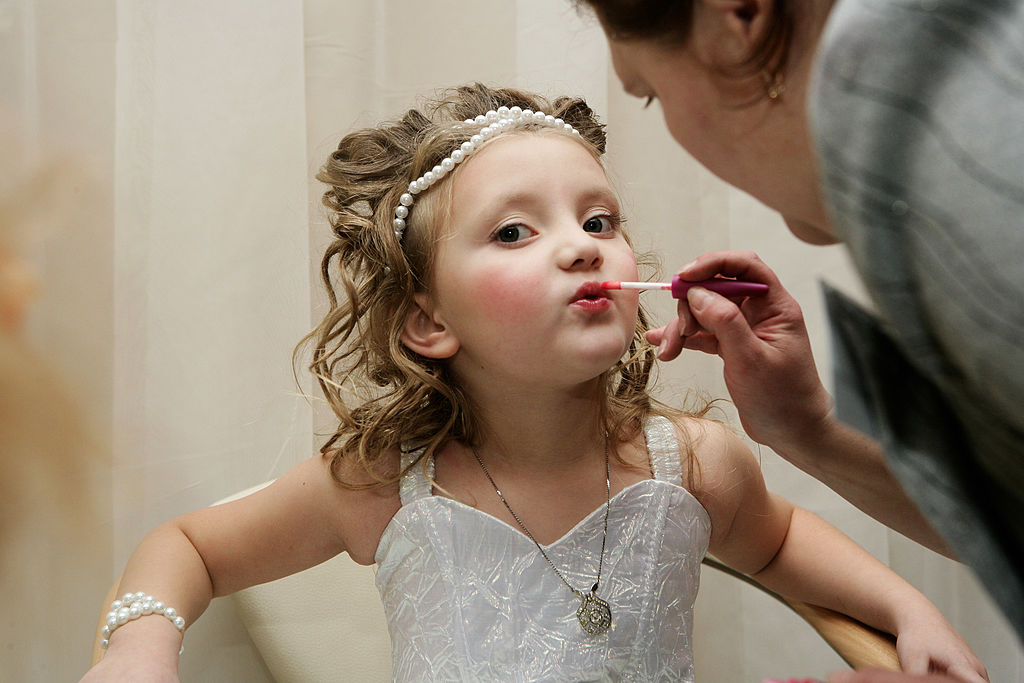
Children cosplaying adult routines is nothing new: little girls — and boys — have always tottered around in their mother’s high heels, smeared lipstick on their mouths, or posed with candy cigarettes. Yet this pretend play has a new fixation: skincare. Tweenagers are no longer asking for Barbies and bikes but toners, serums, cleansers and moisturizers, practicing their multi-step skincare routines for performative “get ready with me” videos. This make-believe is no longer a fantasy but a very profitable reality: the “baby and child skincare market” is expected to reach $380 million in market volume by 2028. The unhealthy trend has even been labeled “cosmeticorexia”.
Many are quick to blame the beauty industry, saying companies use marketing strategies to prey on vulnerable young people. The premise is a deeply disturbing one: if corporations can erode self-esteem at a young age, and raise a generation of children to believe their bare face is a flaw to be corrected, then they can ensure a lifelong dependency on their products. For example, the Italian Competition Authority has just announced that it is investigating Sephora and Benefit Cosmetics over their “insidious marketing strategies” for young girls, including the “use of very young micro-influencers who encourage the compulsive purchase of cosmetics”.
Of course, brands must take some of the blame. Some are shameless: a Korean brand called Rini sells a “youth-sized bunny sheet mask” and uses child models. Others are more indirect, using colorful, teen-friendly packaging, or capitalizing on young people’s anxieties about “prejuvenation”. In the UK, the children’s toy shop The Entertainer was challenged on social media this month for selling skincare by Sol Beauty to its young customers: various serums and oils were nestled among the arts and crafts and Lego sets under a sign that promised “4 steps to a natural glow up”. Parents talk about how beauty-themed birthdays have become a staple on the Generation Alpha party circuit: spa parties and makeover sleepovers have replaced trips to the bowling alley or the local zoo, and gift bags are now more likely to contain moisturizers than magic markers.
Yet the real reason teens and tweens choose to spend their pocket money on toners over toys is because of the pervasive influence of social media: this is where they find out about rose quartz face rollers, expensive setting sprays and the difference between “glass skin” and “glazed donut skin”. They watch videos of influencers such as Haven and Koti Garza (nine-year-old twins with a TikTok following of over five million) discussing their 11 favorite skincare products — which probably cost more than your average monthly energy bill — and then we wonder why they suddenly feel so uncomfortable in their own skin before they’ve even had a chance to grow into it.
Parents can blame the brands all they like, but the reason these companies are able to advertise to increasingly younger audiences is because increasingly younger audiences are on social media. Brands have always tried to tap into younger markets but they are so successful nowadays because parents give them a direct channel to their children through unsupervised use of screens. We therefore can’t act surprised that a generation of children who have grown up watching unboxing videos and influencer “hauls” are now becoming avid, and deeply unhappy, consumers — but it’s high time that parents looked in the mirror, too.
