









October 1 2026 - 7:00am
There was always something paternalistic about the BBC — and a good thing it was, too. John Reith, its founding director-general, would scarcely have recoiled from the charge. As he saw it, his corporation existed to do more than gratify the base appetites of the lower orders. It would cultivate new ones, enlarging the intellectual territory of its audience as it went. “Inform, educate and entertain” was an injunction as much as a slogan. Reith himself put the doctrine with characteristic hauteur: “The best way to give the public what it wants is to reject the express policy of giving the public what it wants.”
Such a de haut en bas attitude has acquired a disreputable air these days. The contemporary BBC increasingly practices a more anxious species of paternalism, forever determining which encounters its audience may prove too fragile to endure.
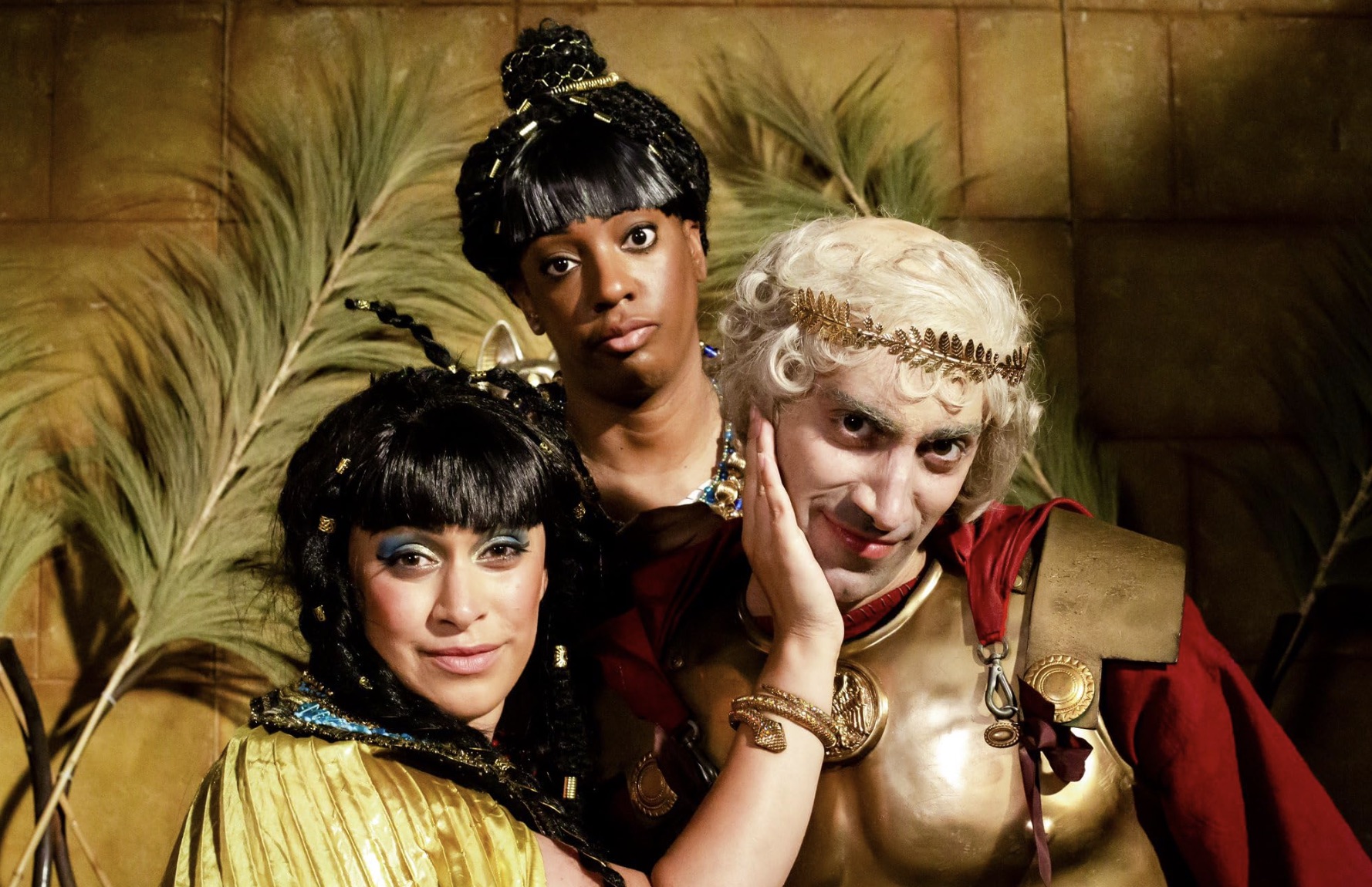
The latest casualty is Horrible Histories. It has been reported this week that seven years ago the BBC removed an episode containing sketches about Roman slavery, Victorian child labor and chimney sweeps to comply with guidelines for children’s programming. Elsewhere, the editorial scythe has fallen on sketches involving the French Revolution and the First World War.
One struggles to devise a more complete misunderstanding of Horrible Histories. The horror was never some regrettable impurity in the educational content. Horror supplied the animating principle. Executions, plagues and bodily functions performed a perverse pedagogical role, smuggling history through to children who might not otherwise have taken interest in the intricacies of state formation.
There is a deeper historical irony here. The French cultural historian Philippe Ariès famously argued that childhood itself was a historical invention. From the early modern period onwards, the child was progressively sequestered from the grown-up world: enclosed within the family, sorted by age at school, and granted a prolonged reprieve from adult responsibilities. Among modernity’s great achievements was the creation of childhood as a protected realm, insulated from the harsher realities of grown-up existence.
Gradually, however, the shelter has expanded into a veritable empire of taboos. Protection from experience has now shaded into protection from knowledge. Having decided that kids should never again be sent up chimneys, society has arrived at the conclusion that they may require insulation from discovering that children once were. This is nothing short of infantilization.
The timing here is especially unfortunate. Historical knowledge must already compete with an attention economy engineered, with an almost diabolical ingenuity, to dull sustained curiosity. To strip history of precisely those elements children find shocking, and therefore memorable, seems an odd response to the problem. Sanitization also breeds a more insidious error: the anachronistic impression that the past amounted to the present in different clothes.
Slavery, industrial exploitation, and spectacular violence matter because they disclose social worlds whose assumptions appear extraterrestrial to the comfortable gaze of a small, sheltered slice of the globe. Elsewhere in the world, of course, such horrors have hardly been consigned to history. All the more reason, then, to resist rendering the past progressively less intelligible to the young. Children undoubtedly require shielding from various horrors, but ignorance offers no such protection. The BBC’s nannying risks producing an ill-informed generation with remarkably few historical coordinates by which to set its moral compass.
Pratinav Anil is the author of two bleak assessments of 20th-century Indian history. He teaches at St Edmund Hall, Oxford.
 pratinavanil