









April 11 2026 - 1:00pm
There are few things that the Northern Irish love more than alcohol and bargains. On the rare occasions when the two coincide, we are at our happiest. It is therefore exciting news that Lidl is about to open its first ever pub in a Belfast suburb. The decision is not necessarily due to the budget supermarket chain seeking to diversify into the hospitality sector. Rather, it is a way of exploiting a legal loophole to bypass Northern Ireland’s draconian licensing laws.
There is a limited pool of alcohol licenses in Northern Ireland, and businesses cannot simply apply for one in the same way they would in other parts of the UK. Instead, they must acquire an alcohol license from another business that has chosen to surrender theirs.
Once an alcohol license is acquired, a store must pass what is called the “inadequacy test”. This involves proving to the regulatory system that the existing number of premises in their proposed area of operation is insufficient to meet public demand. In Lidl’s case, the chain acquired a license but failed the inadequacy test. This means that, despite holding an alcohol license, Lidl found itself unable to sell alcohol in its Dundonald store.
The solution? Build a pub. In Northern Ireland, pub licenses carry an automatic right to operate an off-license. It took six years battling through the courts, along with two local pubs closing down in the area, but Lidl managed to pass the inadequacy test and was granted authority to operate an off-license, with the caveat that this off-license must form part of a pub.
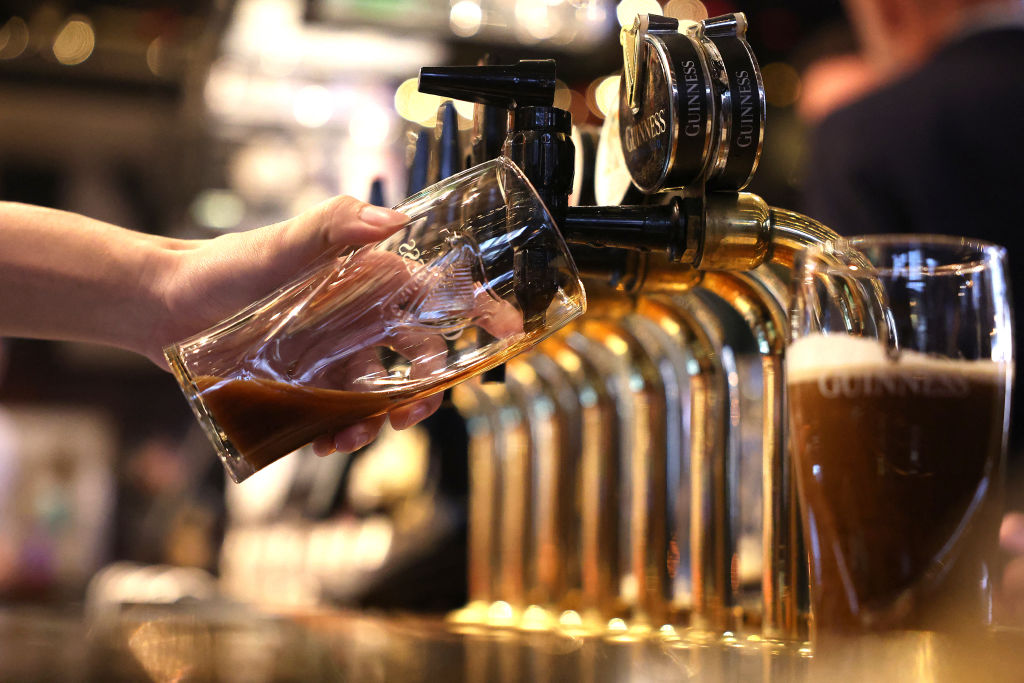
It is a genuinely bizarre scenario. I imagine many in Northern Ireland will stop for a drink at the Lidl pub, just as they might stop for meatballs after being dragged around IKEA. Personally, I would love to be rewarded with an ice-cold pint of Tyskie for making the grueling journey to the shop for some cans of Tyskie.
Behind the jokes, however, is a serious problem to which this saga has drawn attention. Licensing laws in Northern Ireland are genuinely archaic and in desperate need of reform, and are actively harming an otherwise thriving hospitality sector. There are parts of Belfast, and across the wider province, where a new pub or bar would be welcomed with open arms, filling some of the many disused buildings littered along high streets. At present, however, this cannot happen due to the limited supply of alcohol licenses, which hasn’t grown to keep up with the increased demand.
There is very little risk that liberalizing licensing laws would throw open the gates and flood Northern Ireland with a sea of identikit chain pubs. Our tendencies are always towards quaint, independent pubs, rather than chains. There are only three Wetherspoons left in the country; five others were sold to local businesses in 2016 for commercial reasons. There are no Greene Kings, no Slug and Lettuces. Our pub culture is stubbornly independent, and there seems to be little desire for this to change.