









February 7 2026 - 6:00pm
More than a year after their brutal 2024 election loss to Donald Trump, Democrats have been on a roll. They have cleaned up in special elections, overperformed in last November’s general election, and are poised to have a strong midterm this year. Meanwhile, Trump’s approval ratings have been tanking, giving the party hope that it will not only win back the House of Representatives but possibly even the Senate, which Republicans have been favored to retain.
At the same time, there have been fresh reminders that Democrats still have a lot of work to do. Last week, the Census Bureau released new population projections. It showed that many Americans have been leaving blue states and heading to red ones. This has clear political ramifications: Democratic-leaning states are projected to lose 10 House seats and, thus, 10 votes in the Electoral College. Meanwhile, Republican states are projected to gain nine, including seven in Florida and Texas alone.
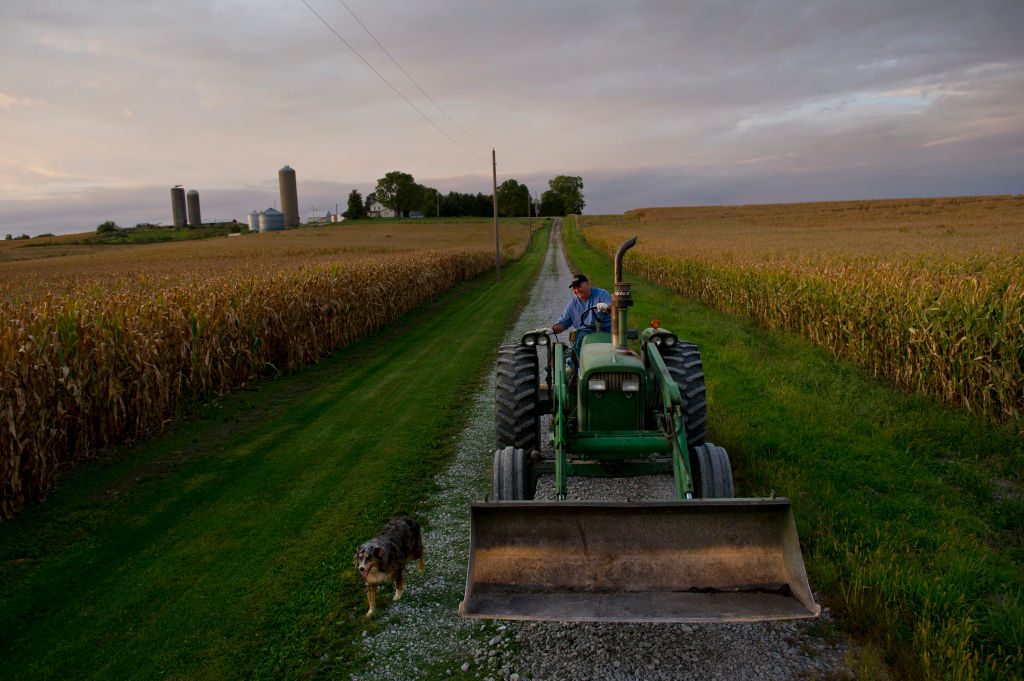
That means the Democrats need to win over rural America. While that won’t happen overnight, the New York Times has reported on a plan within the party to do just that. It is trying to identify and recruit candidates to run in deep-red House districts in the hope of not just winning back the lower chamber but redefining what the party looks like to voters in these places, many of whom have turned their back on them in recent years. And to the party’s credit, it has gone outside of its comfort zone. It has opted for candidates who in some cases lean slightly conservative, and whose biographies stand apart from the archetypal Democrat in the 2020s that often has a background in law or some other kind of white-collar work.
For example, Bobby Pulido, a Tejano music artist, is running in Texas’s 15th Congressional District, where Trump won by 18 points in 2024. The Times says that Pulido “hopes that his star power and conservative Blue Dog positions will help him win”. Those positions include support for deporting criminals and gun ownership rights. Other candidates include Jamie Ager, a fourth-generation farmer from North Carolina who is targeting Republican incumbent Chuck Edwards over the region’s slow recovery from Hurricane Helene. In Montana, Sam Forstag, a smokejumper and union leader, is running a populist campaign against Elon Musk’s DOGE cuts, which he says hurt “poor, working people” and gutted forestry jobs in the state.
Many of these candidates and others are supported by a new center-left Democratic reform organization called The Bench, which says its mission is “building the next generation of Democratic leaders by recruiting and supporting great candidates in tough districts”. In addition to finding candidates who fit conservative-leaning districts, the project is also pushing for generational change, an important feature given the median age of the party’s members: 58 in the House and 66 in the Senate.
Of course, what remains to be seen is whether this effort will succeed beyond this year’s midterms. Midterm elections usually swing against the party in power anyway, and since the start of the Trump era, they have also been more likely to attract voters who support Democrats than those who vote Republican. But presidential election years are different beasts, as 2024 showed. Moreover, there is no guarantee that those “higher-propensity” midterm voters will be as animated once Trump is no longer in the picture.
For Democrats to consistently compete for the Senate and Electoral College, they must eventually improve their standing in at least some red-leaning places. This means coming to grips with the fact that in this era of nationalized politics, it is becoming harder for candidates to outrun the national party brand, which has been in the dumps in recent years. And they’ll have to do this while contending with an urban base of graduates that is pushing the party further Left — even as the country remains firmly center-right.
