









September 24 2026 - 7:00am
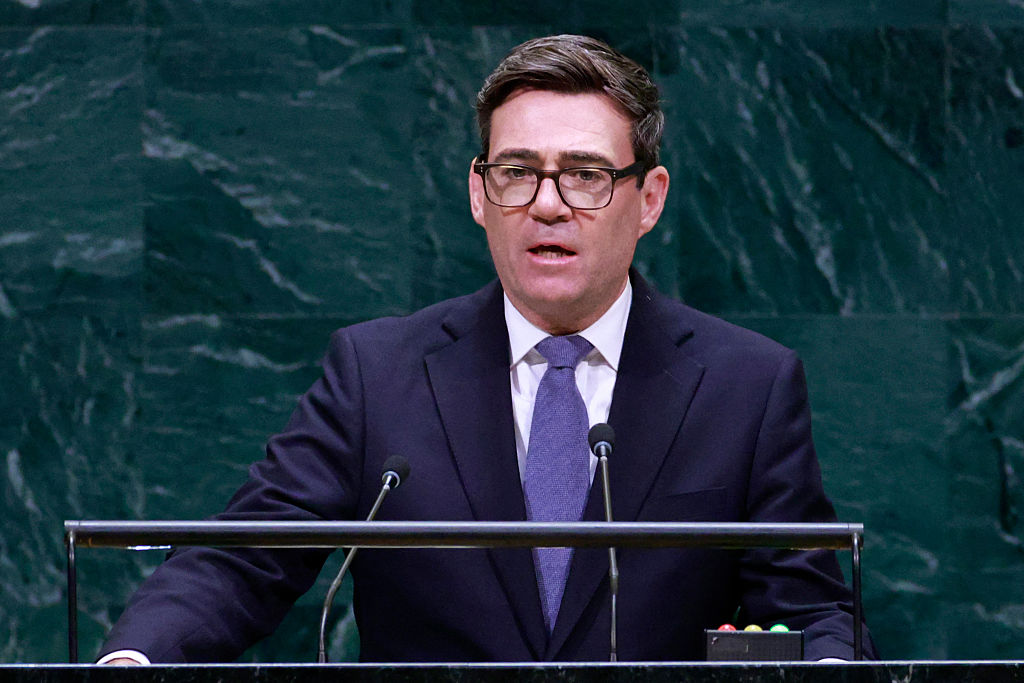
From accusing newspapers of spreading “disinformation” to the military’s surveillance of MPs, Britain’s “counter-disinformation” units have a questionable track record when it comes to free speech. Now, Andy Burnham has announced that he is creating another counter-disinformation unit called the National Center for Information Defense (NCID), which he said would focus on “hostile state information attacks” during a UN speech.
The Prime Minister justified the proposal by warning that Russian agencies had used “every means at their disposal” to spread disinformation. The NCID, he argued, would help counter the threat. While it is true that Russian troll farms are a threat, Labour should be wary of allowing its anti-disinformation efforts to seep into the domestic realm too.
Defense Secretary Wes Streeting tried to get ahead of these fears by claiming yesterday that the Government is “not interested in policing domestic political dissent”. But the work of the 77th Brigade — a specialized army unit tasked with information warfare — makes it clear how mission creep can change the nature of these units and end up targeting exactly what Streeting dismisses.
The 77th’s pandemic-era record shows how spook-adjacent units can pose a serious threat to free speech. At the time, Britain was promised the brigade’s work was internationally focused, and the Ministry of Defense said, “77th Brigade does not, and has never, conducted any kind of action against British citizens”. That was a lie. Documents showed reports that monitored tweets from identifiable British accounts expressing fears about how catching Covid could affect them. One March 2020 file even showed the 77th Brigade tracking tweets by former Green MP Caroline Lucas criticizing the government and sharing breaking news from the Independent. If monitoring a random British Twitter user could be dismissed as careless, the explicit reference to a sitting MP was a smoking gun: proof that the army was watching the British public, including their political dissent.
A whistleblower who served in the 77th Brigade explained that the domestic political surveillance went ahead with a wink and a nudge from the government. It was never openly commissioned, but encouragement to look at certain topics made it clear to the soldier what to monitor — often British people and expressions of political dissent.
In the civilian space, NSOIT and its predecessor, the Counter Disinformation Unit (CDU), repeatedly monitored legitimate political debate. Campaigner Peter Tatchell appeared in two 2022 CDU “disinformation” reports for criticizing the monarchy, while Conservative MP David Davis featured in a 2020 document for criticizing the government’s lockdown policy. This was despite the government claiming that the CDU did “not monitor political debate”.
Time and time again, counter-disinformation teams have assured the public that they were focused abroad and do not monitor dissent; time and time again this has proven to be at best misleading, or at worst an outright lie.
Andy Burnham must allow Parliament’s intelligence committee to scrutinize this new unit and allow for proper public scrutiny of its activities. If NCID is targeting genuine hostile foreign information campaigns, he should have nothing to fear. But successive governments’ track records with “counter disinformation units” mean steps must be taken to reassure the public that this is not another political surveillance unit dressed up as something else.
