









September 25 2026 - 7:00am
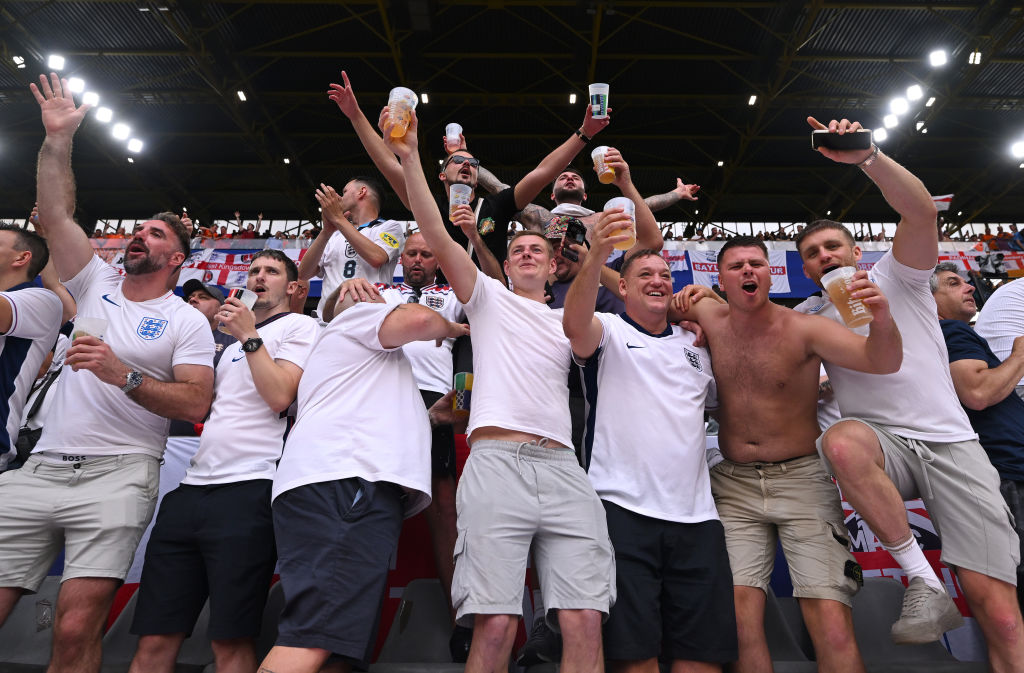
“Discrimination”: that’s how Andy Burnham, Prime Minister and Everton fan, this week described the ban on fans drinking alcohol inside football grounds. His words have prompted speculation that he may be considering a trial change to the more than 40-year-old law, which applies to the top five tiers of English and Welsh football. Burnham is supported in this by the Football Supporters Association (FSA), though police chiefs have spoken out against the idea.
Burnham told reporters it was unfair that football fans are “singled out” by legislation introduced under Margaret Thatcher. The law came during a period of depressingly regular hooliganism at home and abroad. Then-Home Secretary Leon Brittan cited alcohol as a major contributing factor to the mayhem and violence that had become the norm in football grounds in England.
Is Burnham right about the unfairness of the law? As a regular attendee during the Eighties, I miss much of the lost football culture of that era, but I’m not entirely nostalgic for the period. My first memory of White Hart Lane was watching the police pluck skinheads out of the “shelf” every few minutes and march them out of the ground, to cheers from those who remained. We all knew that fan behavior could be appalling.
Around that period, there were roughly 6,000 arrests for football-related violence each year. Things got so bad that English clubs were banned from Europe for five years from 1985, following the Heysel Stadium disaster, which killed 39 people. The whole sickening spectacle earned the nickname “The English Disease”. While drinking wasn’t solely responsible for this, it surely played its part.
But that was then and this is now, some will say. Football has changed. Crowds are far more diverse, with many more women and children in attendance. Tickets are much more expensive, and the ubiquitous cameras make it easier to spot trouble and deal with it. Allowing fans to purchase a few beers — or maybe a glass of prosecco at the Emirates — won’t necessarily lead to the return of the bad old days.
Perhaps, except things haven’t changed as much as they might seem. Though large-scale riots are largely a thing of the past, individual incidents of disorder are still fairly common. Figures released by the Police Foundation recorded only four arrests per 100,000 fans, but an increase in small-scale thuggery and incidents outside of grounds, as well as a record number of incidents reported overall.
The atmosphere at many big games can still be poisonous, while rivalries further down the pyramid are rooted in an older, earthier football culture that can sometimes produce serious disorder. In 2024, a West Brom-Wolves FA Cup tie was halted for 38 minutes due to violence in the stands. In the same tournament 11 years earlier, Millwall fans descended into a brawl during a game against Wigan. And who can forget the “day of national shame” at Wembley for the Euro 2020 final, which saw multiple breaches at entrances and 86 arrests.
This list of truly shameful incidents isn’t long, perhaps because of not only the ban on alcohol but also the scale of security operations inside grounds. The annual cost of policing football matches across the UK exceeds £70 million, of which about £50 million is publicly funded. Grounds are still strictly segregated, with lines of police separating the rival fans.
Given this cost, the diversion of police officers from other duties, and the high level of anxiety and inconvenience non-football fans still have to endure on match days, “discrimination” and “unfair” seem the wrong words for Burnham to use, especially when one considers the comparatively good behavior of fans of most other sports.
The English disease has proved treatable, but it hasn’t been cured. Until that police presence is, through lack of need, reduced considerably, and fans have demonstrated beyond reasonable doubt that they can be trusted to behave like those at the tennis or rugby, then the Prime Minister’s campaign to bring back booze is small beer.
