









February 17 2026 - 2:00pm
“Reject the status quo” is BrewDog founder James Watt’s mantra. Presumably, he isn’t referring to the need for companies to make a profit — although in this respect as in so many others, BrewDog has proved daringly unorthodox. In 2024, the company made a loss of £37 million. Given such a deficit, it’s hardly surprising that the company this week put itself up for sale.
This is a watershed moment for the seemingly ubiquitous craft beer, and in particular for the “move fast and break things” version that BrewDog epitomized. The writing has been on the wall for some time. In 2017, the brewer made a remarkable — and mad — deal with TSG Consumer Partners that guaranteed the American venture capitalists an 18% annual compound return on their investment. It was never a realistic deal and, as we are now seeing, it was one that sealed BrewDog’s dire fate.
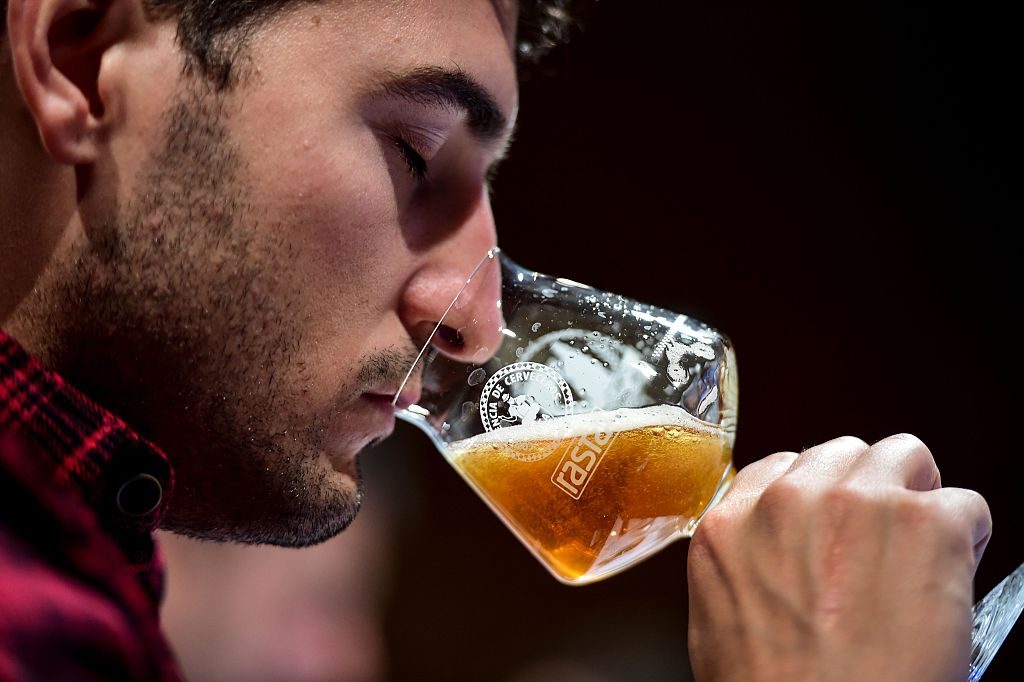
This is as much a cultural story as an economic one, though. BrewDog rose to fame with tasting paddles, shapeless plaid shirts, waxed beards and IPAs named “Punk”. It was the era of the hipster, which has since faded from British public life. In our post-Covid world, most drinkers don’t want 7% marshmallow stouts and drafty bars full of hard granite surfaces and neon banalities. Drinkers, it seems, would like to be able to read the sign of the beer they have chosen. Cozy pubs with familiar pints and a sense of homeliness have come back in fashion.
BrewDog’s culture was never British. Watt’s obnoxious approach was borrowed wholesale from the USA (San Diego brewery Stone and its owner Greg Koch were the originals with their flagship beer, “Arrogant Bastard”). As the desire to align with America decreases, it’s more of a problem than it once was.
Plenty used to love it, though, and that passion manifested itself in a desire to replicate American craft-beer culture in Europe. From 2007, when BrewDog was founded, to 2015, breweries sprouted all over Britain, pumping out punchy ales for an audience mostly composed of baseball-capped men in their late 20s and early 30s. At the time, people believed British beer culture was changing, shifting away from the traditional model of pubs and sensible mid-strength pints towards something more Star-Spangled.
It hasn’t worked out that way. Major breweries have swallowed craft beer whole, absorbing the most popular bits — like Beavertown’s Neck Oil, a session IPA owned by Heineken — and rejecting the rest. In an era of high prices and minimal disposable income, drinkers want guaranteed pleasure.
The status quo, it appears, is back. Look at Guinness, once the preserve of rugby fans and old men, now firmly back in trend and failing to keep up with demand. BrewDog’s current management — Watt and co-founder Martin Dickie left in 2024 and 2025, respectively — is not stupid, and it has tried to ride this mainstream wave. A 2024 deal to provide beer to Lord’s cricket ground made sense, since modern BrewDog is nothing if not an uncomplicated middle-class supermarket option, but clearly it hasn’t been enough.
So is craft beer finally dead in Britain? Are we returning to a more familiar world of stouts and mild ales? Many independent hip brewers have turned their hand to making traditional beers. And plenty in the drinks world will be happy to see the back of BrewDog, since Watt is, to put it mildly, unpopular among his peers.
But it does feel like there could be a twist in the tale. The sale brings about the potential for a rebrand. And it’s worth remembering that it took over the market once before, and reinvention could be the tonic. For now, it seems like the national mood has moved on, perhaps even from alcohol in general. Are brewing’s great provocateurs really going to leave us this way? How boringly conventional that would be.