









December 23 2025 - 2:50pm
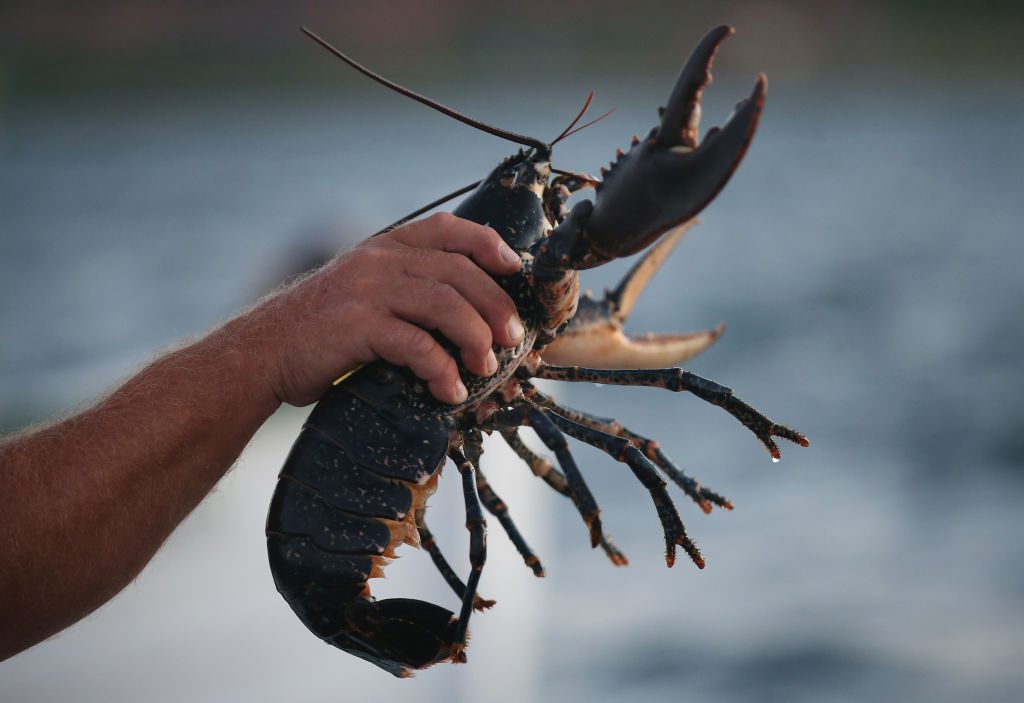
In Perthshire recently, I saw a sign for “Live Scottish Native Lobster”, costing £65, to “take home alive”. I was shocked. It’s a barbaric practice, and totally unnecessary. Hopefully, this cruel method of preparing lobster will soon be illegal. The UK Government has this week declared that “live boiling is not an acceptable killing method” for crustaceans and will soon be publishing alternative guidance.
This has been a long time coming. According to a 2023 YouGov poll, more than 60% of the British public believes that it is unacceptable to cook crabs, lobsters, and other crustaceans by boiling them alive, and three-quarters support humane slaughter methods for animals eaten in restaurants.
The hideous practice is already banned in several countries, including Norway, Switzerland and New Zealand. In the UK, it has been recognized since 2021 that lobsters are sentient, meaning they are capable of experiencing such feelings as pain, pleasure, hunger, thirst, warmth, joy, comfort and excitement. That year, a report for ministers by the London School of Economics confirmed that they should be granted welfare protections.
More than 420 million crabs, lobsters, shrimps and langoustines are caught in the UK each year. Lobsters and other shellfish naturally carry harmful bacteria in their flesh. These bacteria can multiply rapidly and release toxins as soon as the shellfish dies — and they can survive the cooking process. The traditional way to minimize the risk of food poisoning is to cook lobsters while they are still alive.
Treat lobsters as you would oysters: buy them, take them home, kill them humanely, and cook them. If need be, get the fishmonger to stun them, and put them on ice for no more than 24 hours before cooking thoroughly, until the meat turns opaque.
Restaurateurs may well be displeased by the new law. Once it is implemented, they will be subject to checks by the Department for Environment, Food & Rural Affairs (Defra). If a ban does come into effect, those who boil lobsters to death could face criminal charges.
This seems perfectly fair and just to me. Imagine being placed into a pot of boiling water: the pain would be excruciating, and death would not be instant. There is a certain machismo to this method, which can even be seen as an edgy sport. The Maine Lobster Festival holds an annual spectacle known as the “World’s Largest Lobster Cooker”, featuring a giant lobster pot that can cook up to 1,600 pounds of lobster in 15 minutes. This summer, animal rights activists threatened to sue the organisers for mass cruelty.
Aside from the sadism involved, lobster is hugely overrated. It has little flavor, is ridiculously expensive, and the best-tasting pieces are the knuckles, which are a nightmare to get out. Known as “the cockroach of the sea”, its texture is unpleasant. The lobster season is limited, so fresh lobster is extremely expensive and prices are often hiked simply because they can be. They are also expensive to ship, because they need to be kept alive. Their increasing popularity means suppliers can pretty much charge whatever they like for this sought-after delicacy.
Lobster that has been frozen tastes rubbery and tough, but to be honest this can often be true when it’s fresh. People often say that cooking it when dead also yields this same unappetizing result, but this is an absolute myth, given that lobsters can be stunned immediately before cooking.
Chefs and home cooks opposed to animal cruelty can use this method: place the tip of a sharp chef knife right behind the eyes of the lobster, press down and glide the knife through the head. It kills them instantly and means they don’t need to be tortured.
But where’s the fun in that? I am off now to dress my whole cooked crab — a far superior flavor, and bought from a seafood company which has explicitly committed to electric stunning of all its produce immediately prior to cooking. The animals are rendered unconscious in less than a second, rather than being tormented to death for the perverse pleasure of the consumer.
Julie Bindel is an investigative journalist, author, and feminist campaigner. Her latest book is Lesbians: Where are we now? She also writes on Substack.
 bindelj