









February 6 2026 - 10:00am
Think of this week’s Bitcoin crash as a sneeze. It could be a passing response to an external irritant in an otherwise healthy body, or it may be the first symptom of a fatal virus that will soon destroy the body.
Those who wave it off as a mild allergic reaction will point to the cryptocurrency’s history of volatility and say we’ve been here before. Bitcoin dropped after the Federal Reserve abandoned its easy money policy in 2021 and raised interest rates. Then it collapsed from levels similar to today’s until it bottomed around $16,000, whereupon it resumed rallying to its recent record high of eight times that. The crypto crowd will thus predict confidently that when this correction reaches bottom, Bitcoin will head back toward new heights.
In contrast, those who maintain that this sneeze is a symptom of a much deeper malaise can point to several worrying developments. Bitcoin was created in 2009 to exploit the debasement trade that resulted from the adoption of quantitative easing by Western central banks, which artificially increased the money supply. But this trade arguably ran its course with the end of easy money in late 2021 — the very change which caused the 2022 plunge.
Its recovery since then has been driven by the patronage of Donald Trump and his return to the White House. In effect, Bitcoin became a Trump trade. That trade may itself be running into difficulty, though, as the President’s grip on power begins showing signs of weakness. Along with his falling approval ratings and increasingly dire polling for Congressional Republicans, his own media company’s share price is plunging as investors apparently begin to doubt his long-term bankability.
That may explain why the supposed return of a debasement trade in recent months, which has driven gold and silver to record heights, hasn’t benefited crypto: the rise in the precious metals probably represents a turn away from American assets, as the US comes to be seen as less reliable. Both the dollar and the US market are down for the year, whereas other major markets remain in positive territory.
That fact alone points to possible risks. American retail investors, who rode the Bitcoin surge upon Trump’s return, have also helped sustain the broader market over the last year. To the extent they now need to sell other holdings to make up losses, or simply hold off doing any further buying, they may drag down the market. It may thus not be a pure coincidence that the AI rally is currently running into headwinds.
In any event, the fall in the overall market could trigger a chain reaction. If the market remains weak, it could inhibit some of the big IPOs that are planned for this year, which will cause problems in the private equity industry. It bears noting that the share prices of some of the big PE players are down sharply this year.
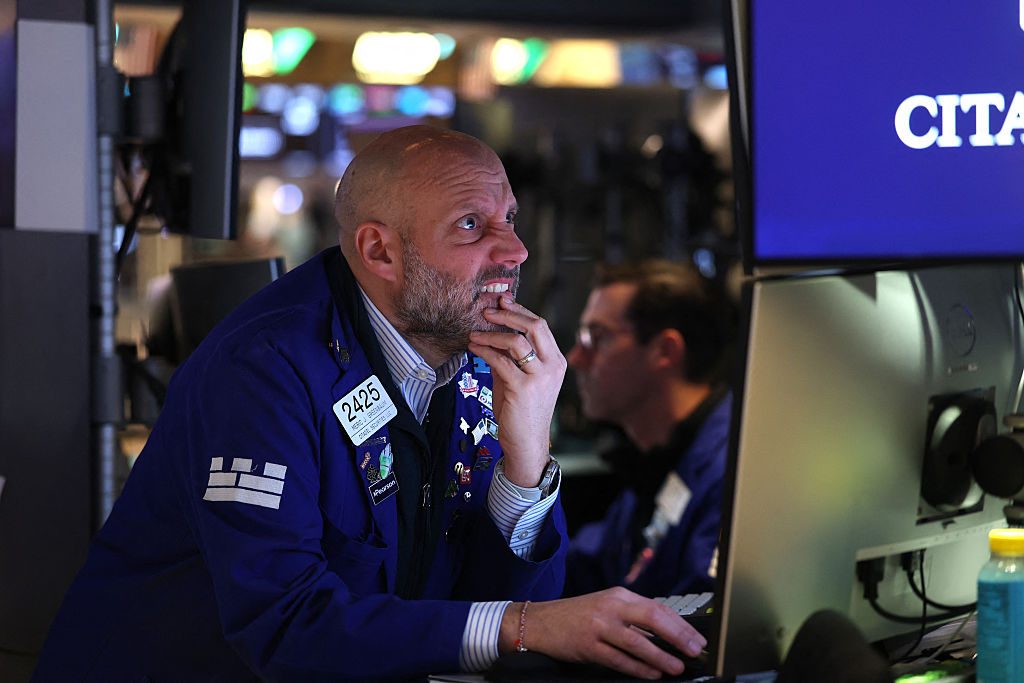
Even a stagnant market could spell trouble. Given the US’s so-called K-shaped economy, falling asset values could have a negative wealth effect among richer consumers who are keeping the economy afloat. That could tip the economy into recession. This week, the reports of US layoffs sent shivers through a nervous market.
Next week, we’ll get both the delayed employment report and the latest US inflation report. Reassuring numbers on both should help settle nerves. The worst-case scenario would be a weak jobs report and a hot inflation report, heralding a return of the dreaded stagflation. Until then, everyone will be watching anxiously to see if this sneeze is followed by any signs of a fever.
John Rapley is an author and academic who divides his time between London, Johannesburg and Ottawa. His books include Why Empires Fall: Rome, America and the Future of the West (with Peter Heather, Penguin, 2023) and Twilight of the Money Gods: Economics as a Religion (Simon & Schuster, 2017).
 jarapley