









April 27 2026 - 11:50am
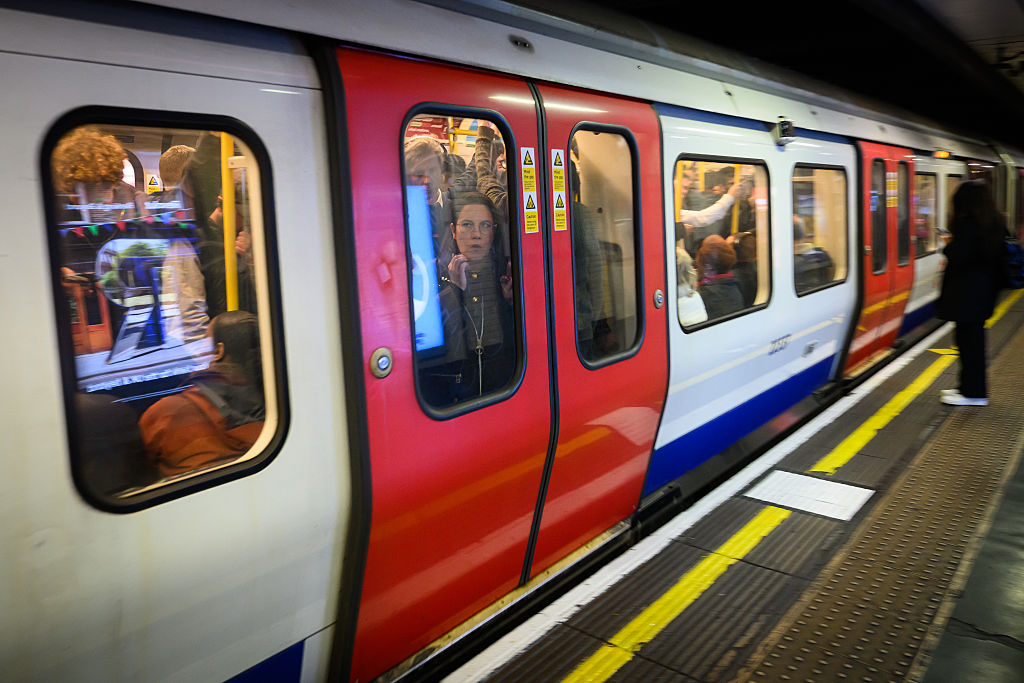
If you were busy enjoying the warm spring sunshine in London last week, you might have missed the fact that a Tube strike called by the National Union of Rail and Maritime Transport Workers (RMT) even took place. Then again, even if you were confined to subterranean London, you still might have missed the strikes, given that even the capital’s busiest Underground lines — the Bakerloo, Victoria and Northern lines — were still operating at 60% capacity. Compare this to the Tube strikes last September, which brought London’s Underground system to a virtual standstill. With more strikes currently planned for May and June in a dispute over hours and pay, has the power of the redoubtable RMT finally peaked?
Plenty of reasons have been provided for the failure of this round of industrial action, with commentators drawing attention to the fact that the RMT’s sister union, Aslef did not participate and that, given the warmer weather, many commuters simply switched to hiring the city’s Lime bikes to get around. With London confronting a likely demographic decline deeper into this century, compounded by the rise of hybrid and flexible working, union efforts to exert pressure on management by crippling transport infrastructure are likely to peter out. Although this may hearten those commuters envious of Tube drivers’ £70,000 annual pay packets, and even though the rest of us might welcome having professional life less disrupted by transport workers, it is worth considering the downside.
For a start, that so many of us have accustomed ourselves to the more primitive option of muscle-powered push bikes in place of modern electric transport indicates how we have collectively downgraded our expectations of city life. More importantly, however, the rise of hybrid working reveals a more atomized and fragmented labor force, less able to reap the network benefits of enhanced efficiency and socialization that comes from working in tandem and face-to-face. From another point of view, the failure of the RMT’s industrial action points to a society that has become less interdependent, less integrated and quicker to snap apart its linkages, with individuals willing to sequester themselves at home in response to even relatively minor disruption.
Predictably, the familiar cry was heard across social media to push ahead with full automation of all Tube lines to eliminate the risk of continued disruption by organized labor. Although parts of London’s transport infrastructure are automated, extending this to the entirety of the network is an unlikely prospect in the near-term, with TfL reportedly estimating the costs at £20 billion. While there has always been a fair degree of envy motivating white-collar griping over well-paid working-class jobs such as train drivers, the irony here is that the advance of AI is more likely to eat up the office jobs of commuters than it is to help automate trains in deep and narrow Victorian-era tunnels.
What’s more, as Western governments reshore critical supply chains and cultivate greater industrial and energy self-sufficiency in response to the fragmentation of the global economy, there is likely to be a tilt back toward the working class at the expense of the salaried middle classes. As wages accrue to jobs on transport networks that can be less easily automated or outsourced abroad than white-collar roles, there may even be a boost to ordinary workers’ bargaining power and greater union density within the labor force.
The automation that the middle class has hitherto been happy to see wielded against the working classes could now rebound at the expense of white-collar professionals. For those dreaming of robot trains burrowing beneath London, it may be a case of being careful what you wish for.
Philip Cunliffe is Associate Professor of International Relations at the Department of Risk and Disaster Reduction, University College London. He is the author of seven books, including, most recently: The National Interest: Politics after Globalization.
 thephilippics