









January 29 2026 - 7:00am
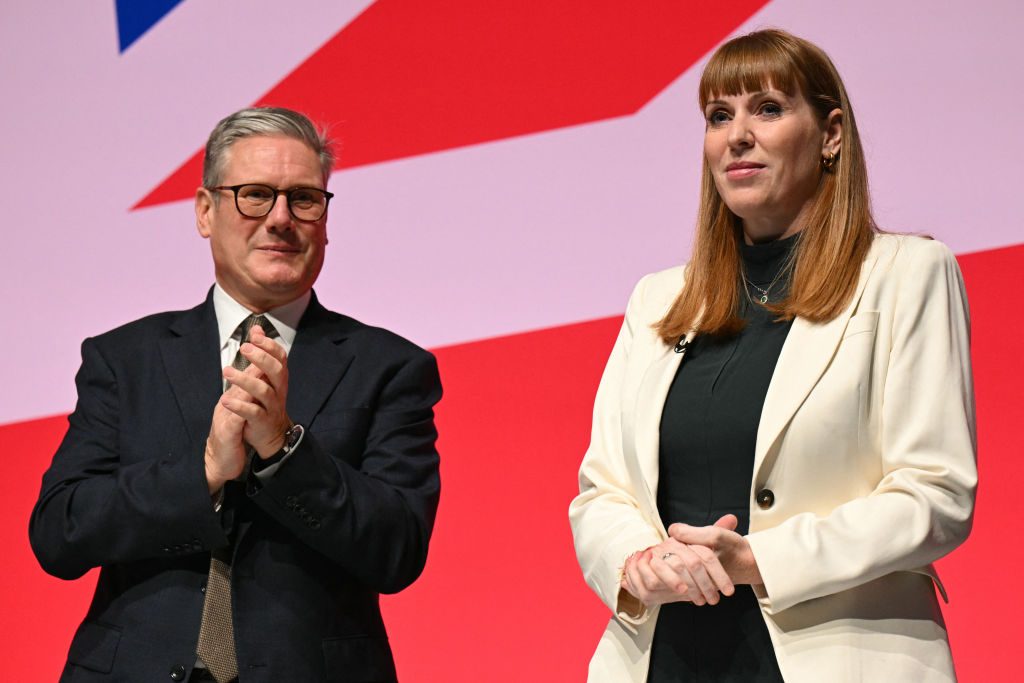
Having been blocked from becoming Labour’s candidate for the Gorton and Denton by-election next month, Andy Burnham appears unlikely to return to Westminster before the end of his mayoralty in 2028. Among the reported winners and losers from the National Executive Committee’s decision, one name was curiously absent. With Burnham out of the race, the crown of Labour’s “soft Left” — the most dominant grouping among the party membership — will almost certainly fall to Angela Rayner. As if to acknowledge this new and improved reality, the former deputy prime minister recently quipped at a Labour Party fundraiser, “I’m not dead yet.”
Few ever thought she was. When Rayner resigned last September from the Cabinet and from her role as the party’s deputy leader, the eulogies from Labour MPs made it clear they wanted her back — sooner rather than later. Her tax affairs notwithstanding, Rayner is one of the most popular figures in the party. In addition, she represents something which Labour has otherwise almost lost: a genuinely working-class voice.
Starmer likes to claim that he has the most working-class cabinet ever. This is, frankly, a ridiculous claim. Past Labour cabinets have included members who actually did working-class jobs: postmen, lorry drivers, electricians, sales clerks, printers, ship’s crews and railway workers. In contrast, there is no one in the current Cabinet who came into politics from such a background. Every one of them went to university, in a country in which two-thirds of adults did not. They worked in law, politics, lobbying, or the charity sector. It is an incredibly narrow, middle-class professional pool.
Labour ministers trumpet the fact that they are the children of toolmakers and security guards, but this is a vicarious connection to working-class Britain. Previous Labour cabinets would have actually had toolmakers and security guards in them.
Rayner was the one exception. Before her resignation, she was the lone member of the Cabinet not to have attended university. She worked in care homes and her path to politics was through the traditional route for working-class people, via her trade union.
Labour has lost the working-class vote. This is — or, at least, should be — an existential crisis for the party. Many Britons who previously joined Labour did so because they saw the party as a vehicle for improving the conditions of the masses. Even if Labour’s members are overwhelmingly middle-class, plenty still like to think of Labour as “the party of the working class”. Rayner provides some affirmation of this hope, and that is her greatest asset against all of the other potential challengers for the Labour leadership.
The process for removing a Labour leader is remarkably permissive. An MP must gather nominations from 20% of their colleagues in the House of Commons. Then, they can go head-to-head against the leader in a contest decided by Labour and trade union members. In such circumstances, it is very difficult to imagine Starmer defeating Rayner. With Burnham out of the picture, her only other serious rival is Health Secretary Wes Streeting. While Streeting is an effective communicator and minister, he is associated too much with the Labour Right.
Starmer’s move to obstruct one leadership rival will surely only give momentum to another. Rayner is popular with members, with unions, and with many of her party colleagues. What’s more, in a party which claims to prize gender equality, the possibility of electing a working-class woman to the leadership may prove irresistible.
