




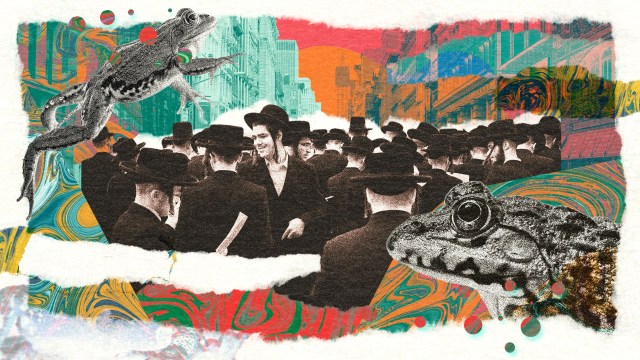
New York Jews are 'licking the frog'. (J.G. Fox)





There are more than a few places in the Old Testament where it appears that the ancient patriarchs and prophets were tripping their brains out: Moses and the bush that burned but never was consumed; Ezekiel contemplating the quadruple-headed holy chariot of Yahweh; Balaam talking to a donkey. So perhaps we should not marvel that some of the most orthodox Jews on earth — the Hasidim of New York — have taken up a practice colloquially known as “licking the frog”.
One afternoon not long ago, hoping to witness this ritual myself, I made my way past the bagel stores, liquor stores, and CBD Kratom stores of Manhattan’s Upper West Side and stopped before a nondescript four-story building with a gray door. There were no names on the intercom.
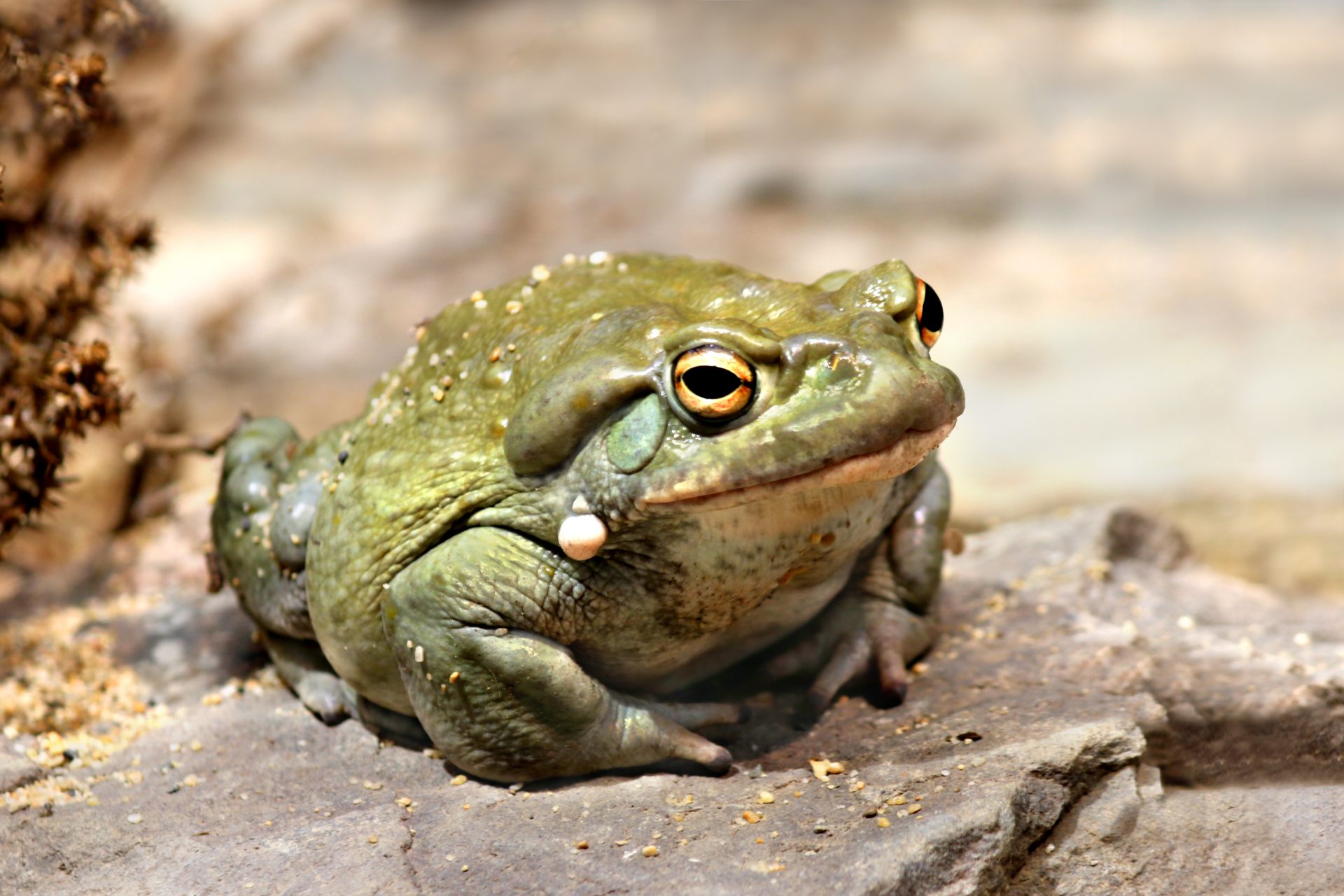
My friend David (not his real name, of course, nor are any of the others that follow, as getting high on frog secretion remains illegal in the United States) had given me the address of what could only be called a pop-up clinic. David had told me that his friend, Dr Jim, was coming to New York City with numerous doses of “the medicine” — his name for the secretion of a toad native to the Sonoran Desert, which spans northwestern Mexico and the southwestern United States. The toad in question, technically known as Bufo alvarius, possesses glands that produce a chemical called 5-MeO-DMT, which when ingested activates neurotransmitters in the human body such as serotonin, melatonin, and tryptophan — that is, the stuff of euphoria. Acolytes claim that smoking a tincture of the substance enables a threshold experience, resulting in calm, clarity, transcendent wisdom, and a path to physical and spiritual wellbeing. Nirvana is priceless, which may help to explain why there’s no set fee for the service. Recipients pay what they’re able to afford, generally dropping between $150 and $650 cash for a dose, which includes guidance and supervision.
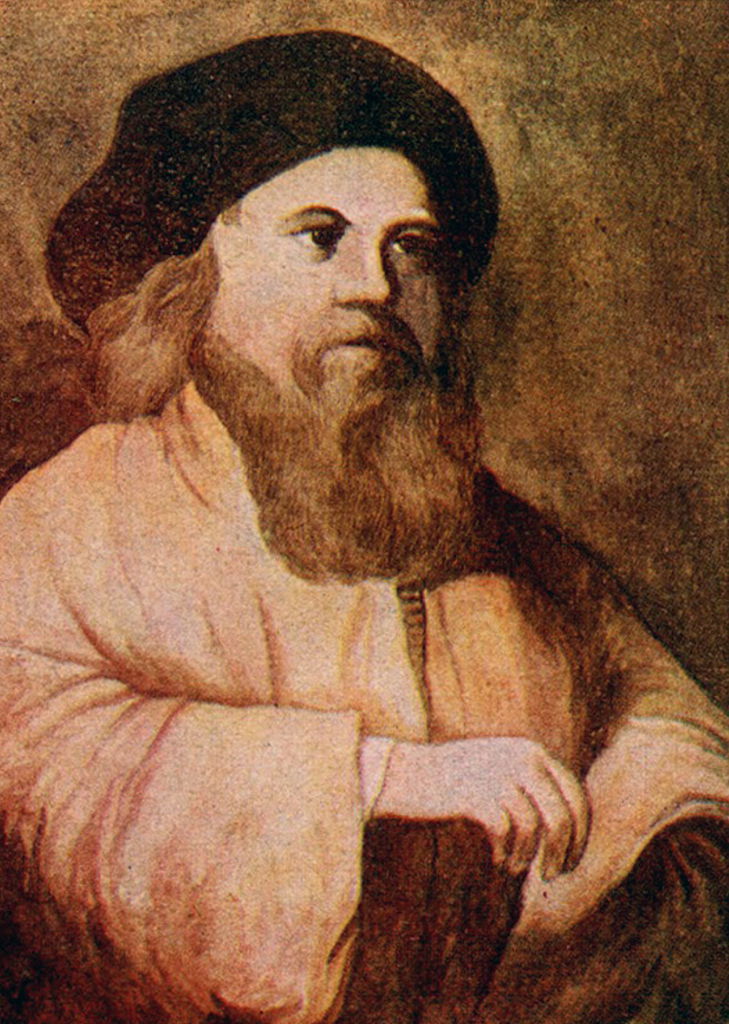
Over the course of his life, David tells me, Dr Jim had already served “the medicine” to more than 17,000 people. Among them were many orthodox Jews, particularly the black-hatted Hasidim, whose founder, the 18th-century Baal Shem Tov, promoted a strain of mystical Judaism — joyful and physical as opposed to the cold and scholarly approach of the traditional sages — that took root in Poland, Lithuania, and Ukraine, resulting in waves of Hebrew hippies dancing through the forests. The chanting, singing, davenning, and rowdily gambolling Hasids were dedicated to ecstatic connection with all of God’s creation — including whatever it was that was smoked in the mystical pipe of the Baal Shem Tov.
***
I entered a waiting room that for all intents and purposes appeared to be a small yoga studio with shelves stacked with blocks and mats and blankets. There was white track lighting, a vase of wilted, white roses, white pillows and an oversized white porcelain toad. In the middle of the room stood Dr Jim, a great big bear of a man with bright blue eyes, an auburn beard, and a red bandana. I had spoken to him on the phone a few weeks before, as he had insisted on vetting me before I witnessed a ceremony — the word “ceremony” typical of the heightened language that marks the religious-spiritual-medical hyphenate of the treatment.
Dr Jim, now in his mid-sixties, was born in Waco, Texas, and raised in Dallas. “We were every religion you can imagine,” he told me. “Pentecostal, Mormon, Baptist — all of which led to my atheism.” He received his medical degree from the University of Texas and served his residency in psychiatry at Mount Sinai hospital, which had been founded in 1852 by Jewish philanthropists to serve what was, at that time, New York City’s largely indigent Jewish population. For the next 30 years, Dr Jim prescribed normative psychiatric medicines to his patients. “I never smoked a joint or tried a psychedelic,” he told me. Then came an epiphany of sorts in 2016: Dr Jim described it as a series of “synchronicities” that led to a retreat in Peru and his first experience with ayahuasca. The following year he found the toad medicine.
The medicine, he assured me, “is very, very different from synthetic DMT” — the drug of choice in the heady days of the Sixties, known for its full-on mind-bending “businessman’s high”. “There are no trippy visuals or colorful sensations [with authentic 5-MeO-DMT],” he told me. “It’s a deeply spiritual, mystical experience. The proper term for this is an entheogen, which means literally anything that gives you a connection to God.”
Dr Jim explained that after discovering the toad, he began to procure supplies from the shamans he had come to know, and prescribe the medicine to his patients, many of whom were military veterans suffering from the symptoms of PTSD — anxiety, addiction, and depression. That was how he claims he discovered that secretions from Bufo alvarius could “break addictions, patterns, habits, manias, and compulsions”. There is clinical evidence to such effect, as therapeutic trials of DMT treatment have shown. But there are also reports that licking toxins off the back of a Sonoran Desert toad can not only be addictive but that it can cause anxiety, nausea, seizures, and even death.
Along with military veterans, Dr Jim’s practice at Mount Sinai included a number of orthodox Jewish and Hasidic patients, and word soon spread throughout the community. He began dosing his patients’ family members, fellow synagogue members, and rabbis. “They were connecting with a divine frequency,” he told me. “They were seeing Moses.”
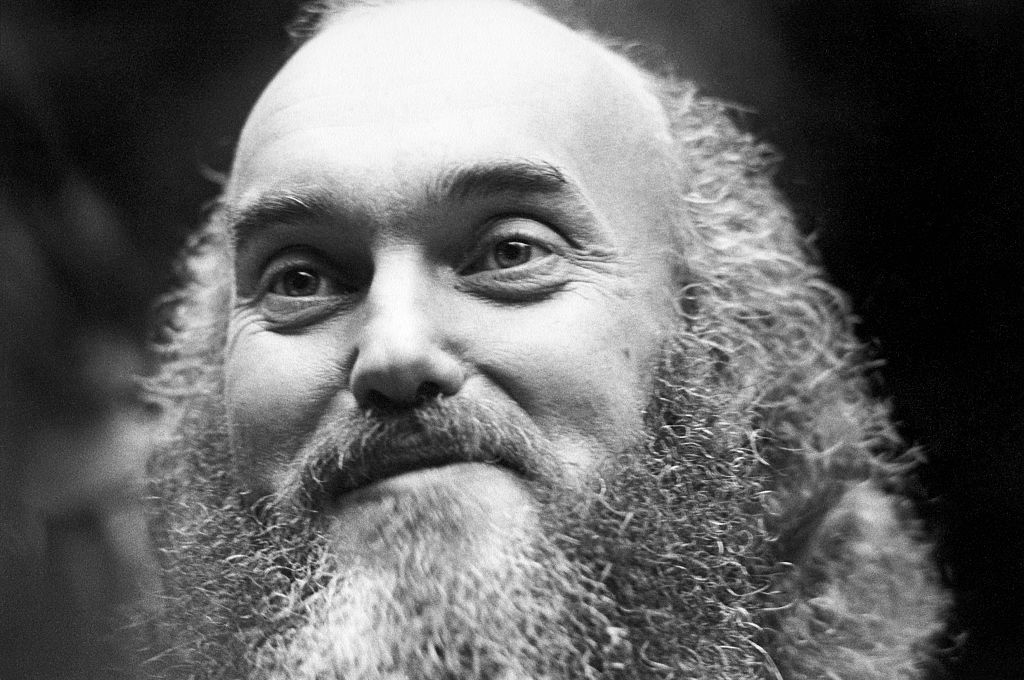
The trend has been a long time coming. Jews had flocked to the mind-expanding counter-culture movement of the Sixties, their ranks including ordained Hasidic rabbis such as Zalman Schachter-Shalomi and Shlomo Carlebach, the “singing rabbi” who opened the Jewish commune, House of Love and Prayer, in San Francisco. The radicals came up with codes for the conflation of Jewish and hippy mystical experiences: “pot” stood for “Put on Tefillin”; “LSD” stood for “Let’s Start Davening”. The most famous example of the trend was Richard Alpert, the psychedelics researcher born in 1931 into a prominent Jewish family in Newton Massachusetts (his father helped to found Brandeis University), who took hundreds of LSD trips, renamed himself Baba Ram Dass, and became the best-selling author of the spiritual guide, Be Here Now. Before dropping acid with the father of modern psychedelia, Dr Timothy Leary, Ram Dass received a blessing from the greatest Hasidic leader of them all — the Lubavitcher Rebbe Menachem Mendel Schneerson, who many believe is the messiah. All of which may help to explain why Hasidic groups have been known to play techno music during Shabbat services at Burning Man, while others have been tempted by the toad.
“They’re pretty passionate about the medicine,” said Dr Jim. “I can’t keep up with the demand.” The increase in desire for toad among the orthodox led Dr Jim to train a few people in the ways to serve the medicine to this specific community. (Helpful hint: leave out references to any God but Hashem.) He mentioned one young man in particular, a Hasid named Herzl.
***
Fifteen minutes later, Herzl showed up. He wore a black bekishe and black trousers, his immaculate white shirt buttoned to the top. A set of luxuriously dark, curled payos flanked his wispy mustache. The 30 year old coiled himself onto the couch next to me and explained that he had been born in London to a family of Lubavitchers (the world’s largest community of Hasidic Judaism), and that his father had left the family when he was very young. As an adolescent immersed in the study of traditional Talmud and Torah, he took an interest in mystical Judaism and began to research the 13th-century Spanish-born founder of what is called “ecstatic Kabbalah”, Abraham Abulafia, who preached meditation and breathing techniques in order to unbind the soul, attain a state of prophecy, and achieve union with God. Herzl took his first ayahuasca at a Peruvian retreat when he was 15 years old, and his first measure of psilocybin three years later, along with what he called the “heart-opening” medicine, MDMA. In 2021, he took his first dose of the Sonoran Desert toad’s 5-MeO-DMT.
Delicacies such as frog’s legs are explicitly prohibited in Chapter 11 of the Book of Leviticus, but as Herzl clarified, “licking is not considered eating in Judaism”. Besides, the medicine is actually smoked, not licked, and since there are no halakhic restrictions regarding inhalation, it’s entirely kosher.
From all that I could gather — and despite its illegality — procuring and serving medicine to the Hasidic community appeared to be Herzl’s sole occupation. I asked him if he would give one of his own sons the medicine? “I’m not against it,” he said.
He told me that like himself, his wife had suffered family trauma. In search of healing, she had visited a therapist from within the Hasidic community, who first suggested she try ayahuasca. “It’s not uncommon,” said Herzl. “A lot of other married couples do this.” The Hasidic community, with its emphasis on the alignment of body and soul, has been known to lean away from mainstream medical treatment. Herzl told me that the trend toward “natural and holistic” medicine had begun outside the city, among the Hasidic communities of the Hudson River Valley, such as the Rockland County hamlet of Monsey, which has more than 5,000 Hasidic households.
The trend has gone international. When Herzl travels to Israel, he and groups of 30-50 Jewish and Muslim acolytes take two-day retreats to rural areas outside Tel Aviv to take the medicine. It is a growing movement, Herzl explained. “Everyone has trauma.”
I asked Herzl about Moses and the Ten Commandments. Was the burning bush a hallucination due to the DMT from the smoke of a burning acacia plant, which emits natural psychoactive alkaloids? I thought the young man might take offense, but instead he entered into an earnest discussion of “high-frequency plants”. In the great tradition of the Baal Shem Tov, the meanest flower that grows is part of the divine creation — and the divine plan.
***
While toad medicine can hardly be said to be a mainstay of American drug culture, its incarnation among the orthodox is one part of this country’s longstanding search for a mainline to spiritual transcendence — from the radical Congregationalists seeking their City on a Hill to Henry David Thoreau seeking natural communion at Walden Pond to the tuned in, turned on, dropped out counter-culture of the Sixties. The will to transcend the bounds of consciousness is but another form of America’s triumphal will to power, our insistence that we are the chosen, and no matter how damaged and traumatized, but a step away from God.
While I was clarifying a few details of Herzl’s arcane esotericism, a number of patients had come and gone through the waiting room. Jerry was a Rosicrucian. Sally was into Kundalini. An Asian woman with blue hair from downtown Manhattan was enthusiastically preaching a single, universal religion.
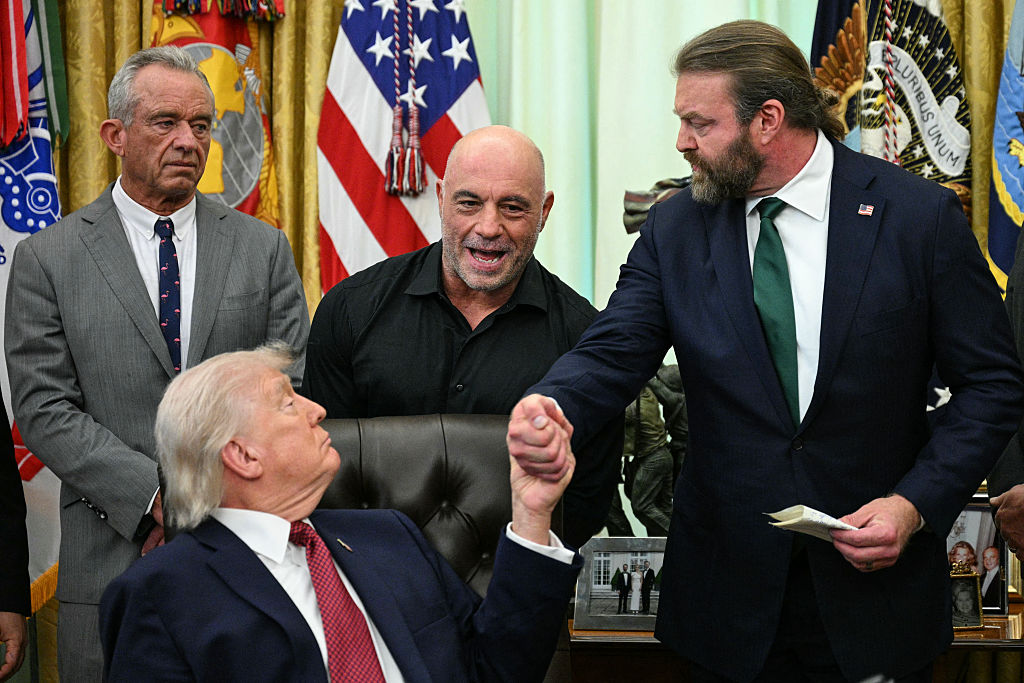
A quiet sense of jubilation pervaded that all-white room, as all were basking in the aftermath of a great leap forward in the history of hallucinogens: on 18 April, President Donald Trump — flanked by Joe Rogan, RFK Jr., and Dr Oz — signed an executive order to fast-track research into the use of certain psychedelic drugs as medical treatments, thus tacitly admitting that the long-vaunted Republican War on Drugs had gone kaput. (While toad venom is not currently on Trump’s fast-track agenda, its chemical structure possesses tryptamines and serotonin receptor agonists similar to many of the drugs that did make the list, such as psilocybin, ibogaine, and MDMA). In the hours and days that followed Trump’s directive, the shares of global pharmaceutical companies experimenting with psychedelics surged, and MAHA exulted. The celebration should come as no surprise: Health Secretary RFK Jr. has repeatedly suggested psychedelic therapy for depression and trauma.
It was now late in the afternoon and my interview with Herzl was over. Then the last patient of the day showed up — a secular Jewish musician named Joel, who promptly began to prepare his body and soul with vinyasa poses.
***
The dose room was dark, with floor-to-ceiling drapes of gold velvet. A rug of black sisal ran from wall to wall, setting off a huge brass sound bowl and a gigantic bronze gong. Some sort of mystical flute music was playing in the background, accented by chirping birds, crickets, and forest sounds, as if the elves were calling together their council of elders.
Joel stood on a thin mattress in the center of the darkened room while David fanned a bundle of smoking sage around his body (a classic Native American ritual of protection) and anointed him with flower-water (a sacred cleansing practice of Southeast Asia). Herzl settled onto a pillow next to the mattress and listened intently as Joel repeated prayers of acceptance — an acceptance of his perfect being, an acceptance of his path, an acceptance of his sacred journey. Then Dr Jim brandished the pipe — a standard vape, at the end of which lay a drop of the caramel-colored medicine. Dr Jim torched the substance with his butane lighter, and Joel, who had been hyper-ventilating, inhaled deeply.
“Keep going,” said Dr Jim. “Keep going. One more. Hold it. Swallow.”
As though struck, Joel fell back onto the paisley sheet that covered the mattress. David caught him, gently laid him down, and placed a bandana over his eyes. Then Dr Jim passed the pipe first to David, then to Herzl; both took hits. Jim shook what appeared to be some sort of Mexican rattle near Joel’s ears, but he was out cold. Herzl also appeared to have gone into a trance, his curly black payos motionless.
The toad, Dr Jim had explained to me, “helps fuse with the here and now. It’s like being launched into the void at high velocity, the body exploding into millions of particles. It’s a liberation of emotions and feelings, and a disconnection with the ego.”
After a couple of minutes, Joel began to twitch. (“Sometimes they move a lot,” Dr Jim had also warned me. “Sometimes we have to stop them from going through the window.”)
“Wow,” Joel said over and over again, and began to laugh. It was a blissed-out giggle that slowly grew into peals of joy, at which point the hilarity suddenly and seamlessly slipped into tears. Joel was laughing and weeping at the same time, then his lips began to move as though he were trying to wrap his mouth around an elusive word, a word that seemed just beyond his ability to articulate. Until, at long last, he found it.
“God,” he said.
Frederick Kaufman is a contributing editor at Harper’s magazine and a professor of English and Journalism at the College of Staten Island. His next project is a book about the world’s first political reactionary.
 FredericKaufman