








April 12 2026 - 7:00pm
After 21 hours of negotiations that went deep into the Pakistani night, on Sunday morning JD Vance stepped up to the podium and essentially called it quits. Despite substantive talks, the US Vice President said, the Iranians were not willing to accept Washington’s terms.
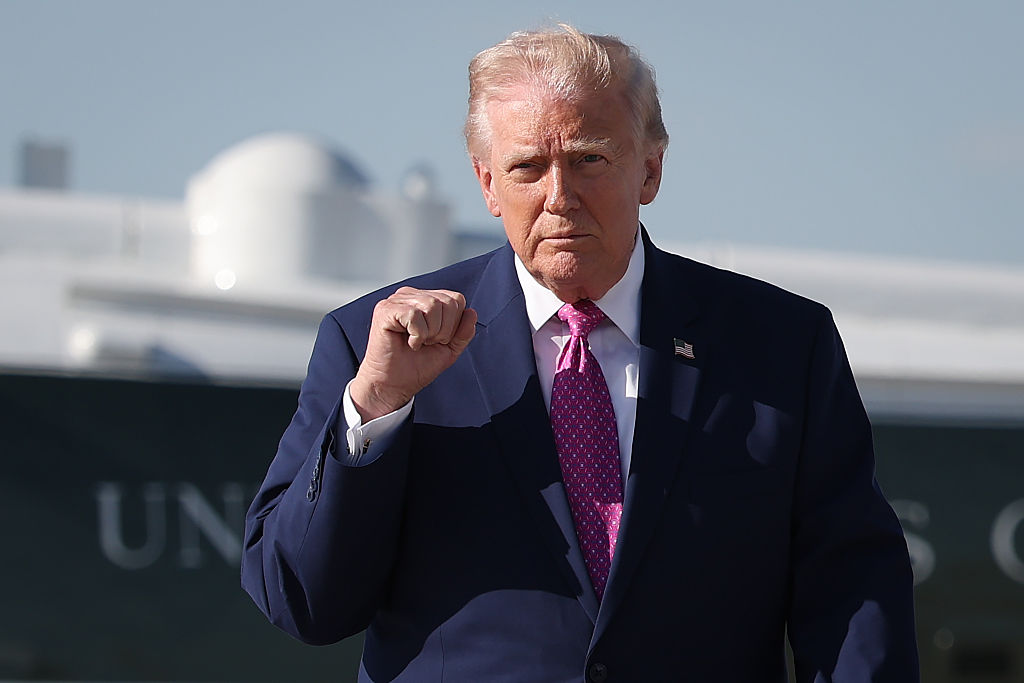
Donald Trump wasted little time before doubling down on coercion. “Effective immediately, the United States Navy, the Finest in the World, will begin the process of BLOCKADING any and all Ships trying to enter, or leave, the Strait of Hormuz,” the President declared earlier today.
On the one hand, the fact that US and Iranian negotiators were engaging in dialogue virtually non-stop for close to a day, sometimes directly, was a sign of seriousness on the part of both sides. Unlike previous rounds of talks, the Trump administration traveled to Pakistan with nearly 300 expert-level officials in tow, which suggested that Washington was far more prepared to get into the nitty-gritty details of what a deal would look like and how it would be enforced. In this case, Trump seemed like he wanted to clinch an agreement to end a conflict that has caused jitters within the Republican Party as midterm elections approach.
Yet sometimes even the best preparation and good intentions don’t result in success. Last night’s negotiations were tripped up by the very same issue — how to ensure Iran can never acquire the means to build a nuclear weapon — that ruined previous attempts at diplomacy last year and this February.
Trump’s demand for Iran to cease all enrichment and effectively sign a surrender document to that effect was again, predictably, rejected by Tehran. Iran’s three major nuclear facilities may still be heavily damaged from the US strike last June, but the country retains nearly 1,000 lbs of highly enriched uranium, an unknown number of centrifuges, and the ability to resume its nuclear work if the hardline political leadership chooses to do so (of course, whether the Iranians can do this work without getting caught is another question). To believe Tehran would cede the nuclear point to the Americans was always an exercise in futility, particularly when Trump has demonstrated multiple times that deals can be renegotiated or abandoned at a whim.
Resolving the nuclear issue in a mutually acceptable way is hard enough. It took the Obama administration more than two years to hammer out a draft that both Washington and Tehran could tolerate. But the present US-Iran diplomacy is even more difficult because there are more issues to tackle. And generally speaking, the more issues on the table, the more disagreements there will be, and the more likely the process is to fall apart.
Trump wanted an immediate reopening of the Strait of Hormuz; Iran scoffed at the suggestion, knowing full well that giving up its most effective card was the diplomatic equivalent of forfeiting a baseball game in the third inning. Iran wanted the US to recognize its control over the Strait, a demand that was as ridiculous as Trump’s pushing Tehran to hand over its enriched uranium stockpile on a silver platter. The Iranians demanded full sanctions relief, compensation for war damage, and assurances that America wouldn’t resume the conflict; the US, meanwhile, is trying to force Iran to essentially override four decades of security policy. Even assuming you can square the circle, it will take more than 21 hours.
The question is whether the two-week ceasefire and a diplomatic process will survive now that Trump has instituted a naval blockade over one of the world’s most crucial arteries for oil and gas. America and Iran are unlikely to give up on diplomacy altogether, if only to preserve an off-ramp should the military pressure and economic repercussions become too difficult to bear. Both sides will continue passing messages back and forth — sometimes directly, sometimes through third-party mediators.
But if Trump hopes a blockade will force Iran to agree to concessions it previously dismissed, he’s likely to be disappointed. Washington has banked on a strategy of coercion for the last six weeks, and despite considerable damage to its economy and military infrastructure, leaders in Tehran remain as resistant to US diktats as they were before the war. If anything, the regime is consolidating under the weight of foreign pressure and is relatively confident in its own position. Bending now, particularly in the face of a US blockade threat, would be to admit that Trump’s approach was the correct one all along.
For now at least, it looks like the American and Iranian ships are passing each other in the dead of night, yelling obscenities at one another to get out of the way.
Daniel R. DePetris is a fellow at Defense Priorities and a syndicated foreign affairs columnist for the Chicago Tribune.
 DanDePetris
Join the discussion
Join like minded readers that support our journalism by becoming a paid subscriber
To join the discussion in the comments, become a paid subscriber.
Join like minded readers that support our journalism, read unlimited articles and enjoy other subscriber-only benefits.
Subscribe