









November 3 2025 - 8:00pm
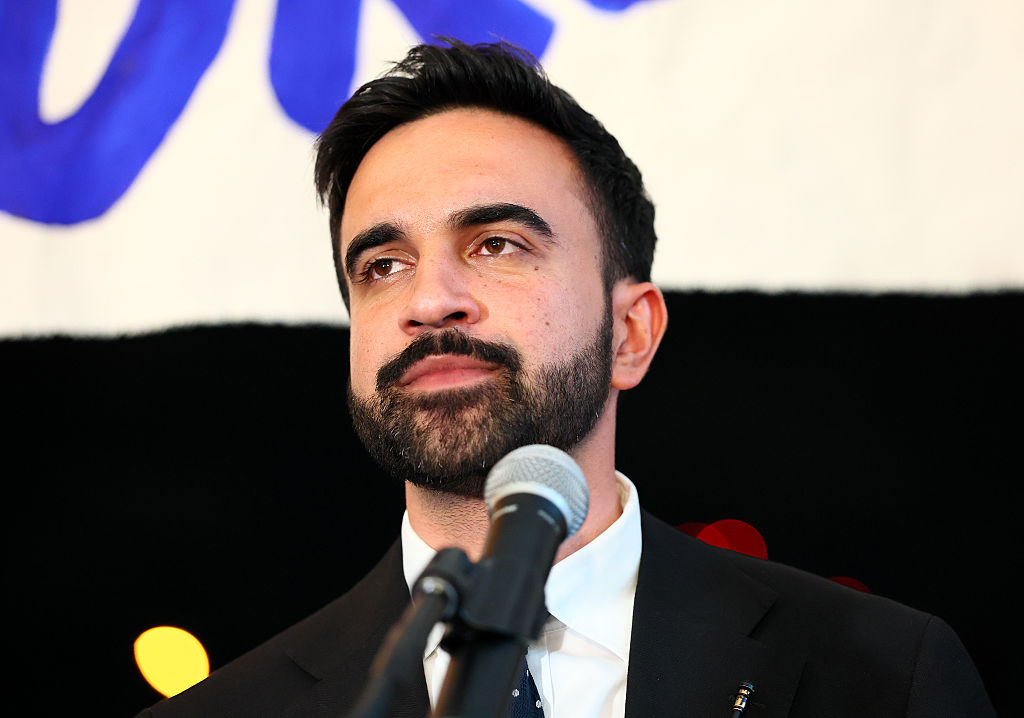
Zohran Mamdani has repeatedly vowed to increase anti-hate crime funding by 800% — totaling $26 million — if elected as mayor of New York City in Tuesday’s election. In his proposal, the Democratic nominee warns that “hate violence has increased across our city, with 669 hate crime incidents in 2023”. “This spike represents a record high over a ten-year period,” the document reads, “and a 12.6 percent increase from the previous year”. Surely, it would seem, this crisis demands a solution.
But the truth is that Mamdani’s anti-hate plan does not appear to advocate for a more intense crackdown on crimes. Rather, it proposes that the “hate” motivating certain crimes can be eliminated through the activism of various nonprofits and government initiatives. Mayor Mamdani’s Department of Community Safety (DCS) would supercharge the city’s anti-hate crime prevention efforts to “further a vision of a New York City that is free from hate violence, especially given rising antisemitism, Islamophobia, anti-Black racism, anti-Asian hate crimes, and LGBTQ+ hate.”
Under New York law, a hate crime is a “traditional offense that is motivated by bias”. An increasingly long list of offenses in New York State may be prosecuted as hate crimes, including crimes against people or property. The 2023 report that Mamdani cites states that the most common “hate crime” offense was aggravated harassment of the first degree. This harassment is a crime against property, not persons, involving “acts such as painting a swastika, placing a noose on someone’s property, or damaging religious premises”.
Hate crime laws raise important questions about free speech and defendants’ true motivations, as law enforcement must determine what constitutes bias and which groups are threatened by acts of hate. Vandalism and acts of violence are easy to spot and prosecute. Hateful speech, on the other hand, is a far more opaque matter. Such sweeping commitments to rooting out something as nebulous as “hate” should be examined closely.
One of the DCS’s priorities is to “Rebuild the Community Advisory and Services Team, including the creation of restorative justice processes”. In addition, it would “restart the process to finalize contracts with community-based organizations to lead and develop restorative justice programs to combat hate violence cases, begun in 2021.” The Community Advisory and Services Team (CAST) is a group of 33 nonprofits that were assembled to form an anti-hate coalition during Mayor Adams’s administration in the wake of summer 2020. While some of these groups provide legitimate self-defense training and legal services, it’s unclear how many of these nonprofits’ activities meaningfully combat “hate”.
For instance, one group on the list, the OCA-NY, hosts an annual art competition to “spread awareness of hate crimes prevention”. This year’s theme was “abuse of power by politicians that fuels hate”. A private nonprofit has every right to hold such an event, but it’s hard to justify allocating tax dollars to such an activity. What’s more, do we really think that future culprits of hate violence would attend these sorts of events held by nonprofits like “Girls for Gender Equity” and the “Center for Anti-Violence Education”?
Any government-led effort to combat something as ill-defined as “hate” should be scrutinized both for its use of taxpayer dollars and for its potential to infringe upon free speech. There are legitimate ways to prevent criminal acts and punish them harshly, but how can government funding ever alter thoughts and motivations without resorting to propaganda, indoctrination, or suppression? As Justice Oliver Wendell Holmes Jr. famously wrote, the Constitution protects “freedom for the thought that we hate”.
If the DCS wants to stop hate crimes, the focus on hateful intent is futile. Crime and violence are objective and measurable — “hate” is not. Nonprofits empowered by the state to stop “hate” certainly have no reason to declare the problem “solved”, as such a declaration would render them obsolete. Nonprofits competing for city resources have every incentive to declare that there is always more “hate” to be eradicated.
That $26 million should be spent on preventing violent crimes, rather than wading into the murky world of thoughts and the intentions behind certain actions. Hatred won’t be eradicated through government-sponsored anti-bias training, collective art projects and roundtables. Violent criminals don’t even know these kinds of initiatives exist. And if they did, they would most likely laugh at them. Zohran Mamdani is deeply naive if he thinks otherwise.
