









14 October 2026 - 4:00pm
When the first Lord of the Rings film was released 25 years ago, director Peter Jackson spoke of his desire to put J.R.R. Tolkien’s vision on the screen rather than inserting his own worldview and messages. “In terms of the thematic material,” he told interviewer Charlie Rose, “we had no interest in putting our messages into this movie […] we thought we should honour Tolkien by putting his messages into it.”
It is safe to say that this respectful approach is not universally shared among those who adapt well-loved existing stories to the screen. Many recent TV and film versions of Agatha Christie novels have butchered the plots, mood and characterisation in service of a more modern or edgy take. Shows such as The Rings Of Power and films such as The Odyssey have received criticism for taking huge liberties with the source material. Now it’s the turn of director Greta Gerwig to face the scepticism of an existing fanbase, with the release of the first trailer for her cinematic take on The Magician’s Nephew, which is the first chronological novel in C.S. Lewis’s Narnia series.
The casting of Meryl Streep as Aslan had already raised a few eyebrows among traditionally-minded fans. The trailer is unlikely to reassure those fans. For one thing, the setting has been moved forward in time, from late Victorian England to the Fifties, which means that subsequent entries will take place in the contemporary or near-contemporary world, as the young hero of the book is an old man by the time of The Lion, The Witch And The Wardrobe.
The problem with such a shift is that it will require a significant rewriting of characters and their motivations. The wartime atmosphere is vital to the texture and mood of the later books. To take just one example, it’s hard to imagine a middle-class child growing up in the consumer paradise of the early 21st century being willing to betray his siblings for a box of sweets.
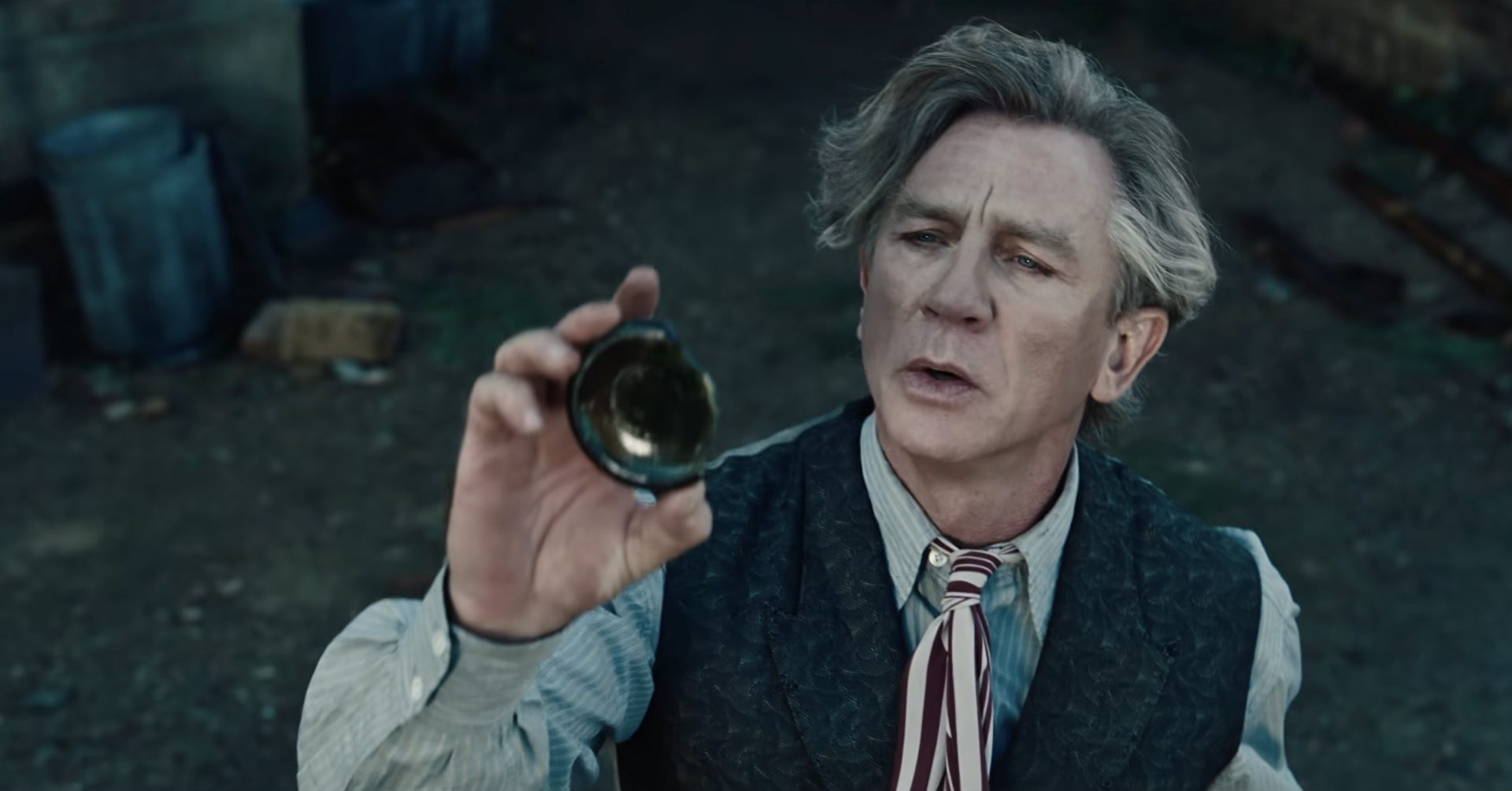
Other red flags abound in the new trailer. The “glam rock” aesthetic is dramatically at odds with the mystical and magical tone of the book, which features a lot of silent and uncanny places rather than loud and colourful ones. Uncle Andrew’s study in the dusty attic of a high, empty house seems to have been transformed into a kind of campy neon-lit mash-up of the TARDIS and the bridge of the Starship Enterprise. The few glimpses we get of Daniel Craig as Uncle Andrew suggest that neither director nor actor have understood the creepy menace the original character possesses. There are also hints that the dynamic between the two children, Polly and Digory, has been altered to make Polly a generic Strong Female Character lumbered with a slightly comic male sidekick.
Of course, the sceptics could be wrong. The film, due to be released early next year, might be a clever and thoughtful take on the book. But there are broad themes across the whole Narnia mythology that modern Hollywood is simply ill-equipped to handle. One of the concluding incidents of Lewis’s book is an explicitly Christian reflection on trust in God, when Digory’s refusal to steal a magic apple that could heal his terminally ill mother is rewarded by Aslan miraculously healing her. Atheist critics such as Philip Pullman, a notorious and longstanding enemy of Lewis and Narnia, have singled this scene out as especially distasteful to modern secular sensibilities. It will be extremely interesting to see what Gerwig, an avowedly progressive director, makes of it.
