








December 14 2025 - 8:00am
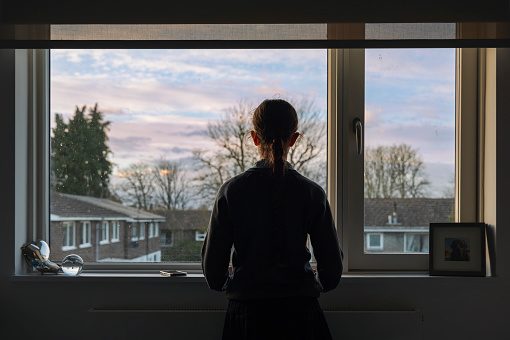
When it comes to anxiety, therapists and psychologists often talk about a “cycle of avoidance”: a pattern of behavior in which people avoid anxiety-provoking situations. By retreating to a “safe space”, they may feel short-term relief as a result, but this only reaffirms their belief that a situation is “dangerous” and that anxiety is a valid reason to pull back. They therefore become stuck in a self-perpetuating loop of fear and missed experiences.
This doom-cycle is particularly important when trying to understand the snowballing effects of school avoidance. New data has suggested that half of secondary pupils in Britain have avoided school because of anxiety in the past year, with teenagers missing school an average of 22 times per year. The biggest concerns pupils cited were exams and grades (28%), being asked to speak in front of classmates (21%), fear of failing (18%), worries about looks (18%) and not having friends (17%).
These worries are not new, but the landscape in which teenagers have to navigate these challenges has changed. Social media means there is little escape or respite, particularly for those who are bullied: even late at night memes can be sent, gossip exchanged, incriminating images forwarded. The online world thrives on comparison and discontent, and given that every indiscretion — whether that be stuttering in class or drinking too much at a party — can be crystallized in digital form, it’s unsurprising that young people are taking far fewer risks than previous generations.
Our instinct as human beings is to avoid things that make us uncomfortable. Yet, gentle exposure to our fears is the only way to take away their power, to learn that there is nothing to fear but fear itself. By keeping students off school because of anxiety, we rob them of that opportunity to see that these feared situations are at best harmless, and at worst manageable.
As parents, we want to protect our children, but by negatively rewarding self-limiting behaviors, we teach students’ learned helplessness, and decrease their tolerance for risk, adversity and new situations. The path-of-least-resistance simply feeds the fear: the more students avoid school, the more they build negative associations around it, and the more the anticipation builds.
To make matters worse, avoidance is now fun. A few decades ago, a day off-school for sickness may have involved bingeing some terrible daytime television, but it would have most likely been a fairly boring and lonely experience. Nowadays, we have endless entertainment options a click of a button away: a day-off could involve watching Netflix, playing video games, scrolling TikTok, messaging people on Snapchat, distracting yourself to oblivion. It’s no wonder that 17% of students said they avoided school because they find it hard to sit still or concentrate for long periods.
We are seeing in real-time how avoidance can shrink young people’s worlds, limit their opportunities and make everyday life feel more overwhelming. We just have to hope that, if this is a learned behavior, it can also be unlearned.

Join the discussion
Join like minded readers that support our journalism by becoming a paid subscriber
To join the discussion in the comments, become a paid subscriber.
Join like minded readers that support our journalism, read unlimited articles and enjoy other subscriber-only benefits.
Subscribe