








January 12 2026 - 11:00am
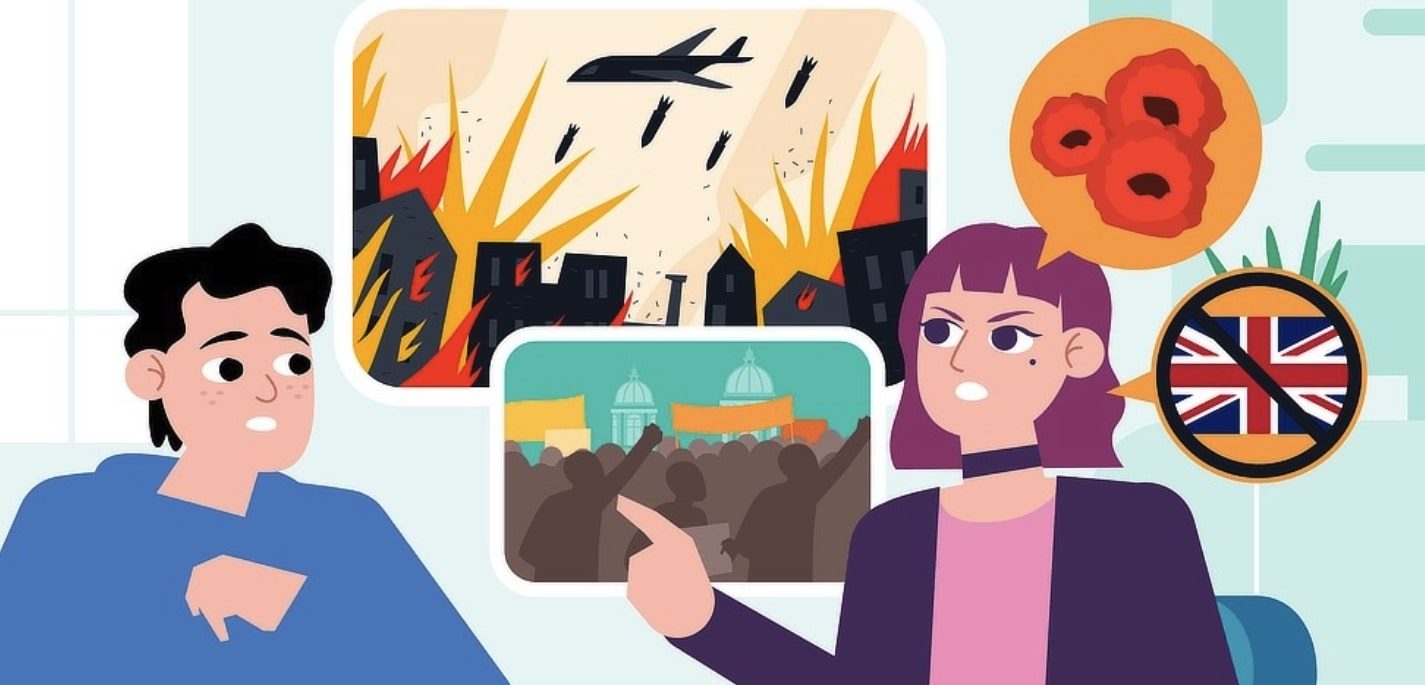
Over the weekend, Britain discovered that Hull City Council has a propaganda department. The council has created an online game aimed at teaching teenagers not to engage with “far-Right” online content; recently, it escaped containment and was played through by politically-engaged adults to alarm from some and derision from many more.
The game is called Pathways: Navigating the Internet and Extremism. I played through a few times, trying different routes, and found it indeed both clumsily-designed and propagandistic, in effect treating every white British teenager (you can only choose to be white, in the game) as a potential extremist. Even choosing the most orthodox options throughout the game also seems to result in a Prevent referral at the end, an outcome that will surely convey an important truth to the teenagers to whose “education” this “resource” will be directed, albeit perhaps not the one the game was intended to impart.
But the main reason the game has sparked discussion is by accidentally creating a new Right-wing internet meme: Amelia, a purple-haired Goth girl who features in the game as a radicalizing character, and has now been re-invented by online Right-wingers. Instantly iconic, “Amelia” prompted an explosion of AI-generated creativity. She’s been depicted as seductress, anime radical, Arthurian Lady of the Lake, and even the subject of a poignant mini-story alongside “Charlie”, the game’s main character, beginning with a romance forged in anti-migrant activism and ending with marriage and kids. In sum, Pathways has been re-interpreted as conveying to teenage boys the message that they will be treated as extremists whatever they do — but also that if they choose wrongthink, they can go on a protest-date with a “cute racist art ho”. Not, in other words, the de-radicalizing effect the game clearly intended.
At one level, this is little more than an update on the longstanding trope of teachers attempting social education via cringe-inducing forays into “trendy” cultural forms. In my youth, it was anti-drug messages delivered in painfully bad “rap music”; now it’s “anti-extremism” via even more painfully bad online “games”. But at another level, Amelia stands as a potent illustration of how desperately an officialdom accustomed to comparatively comprehensive public message control is struggling to adapt to the recursive online environment.
The game itself was surely a sincere educational intervention, created by people who genuinely believe “far-Right” influencers to be the greatest source of “extremist” danger in Britain today. But its reception serves mostly to illustrate the mercurial quality of online culture, in which ideas can be pounced upon, re-worked, inverted and transformed near-instantaneously. And while this doesn’t render propaganda any less powerful — quite the contrary — it does mean that top-down, centrally controlled messaging is now laughably obsolete as a vector for propaganda.
Of course, “Amelia” may have morphed again by tomorrow, into something wholly new and perhaps entirely perverse; or she may have disappeared again, forgotten as quickly as she was embraced. What’s clear either way, though, is that little short of unplugging the internet will succeed in regulating its subversive potential wholly into submission. For better or worse, the age of top-down message control is over. We should not be tempted by utopianism about the implications of this development, but we should recognize that any regime that fails to take it into account is in for a bumpy ride.

Join the discussion
Join like minded readers that support our journalism by becoming a paid subscriber
To join the discussion in the comments, become a paid subscriber.
Join like minded readers that support our journalism, read unlimited articles and enjoy other subscriber-only benefits.
Subscribe